A symbolic threshold with real economic weight
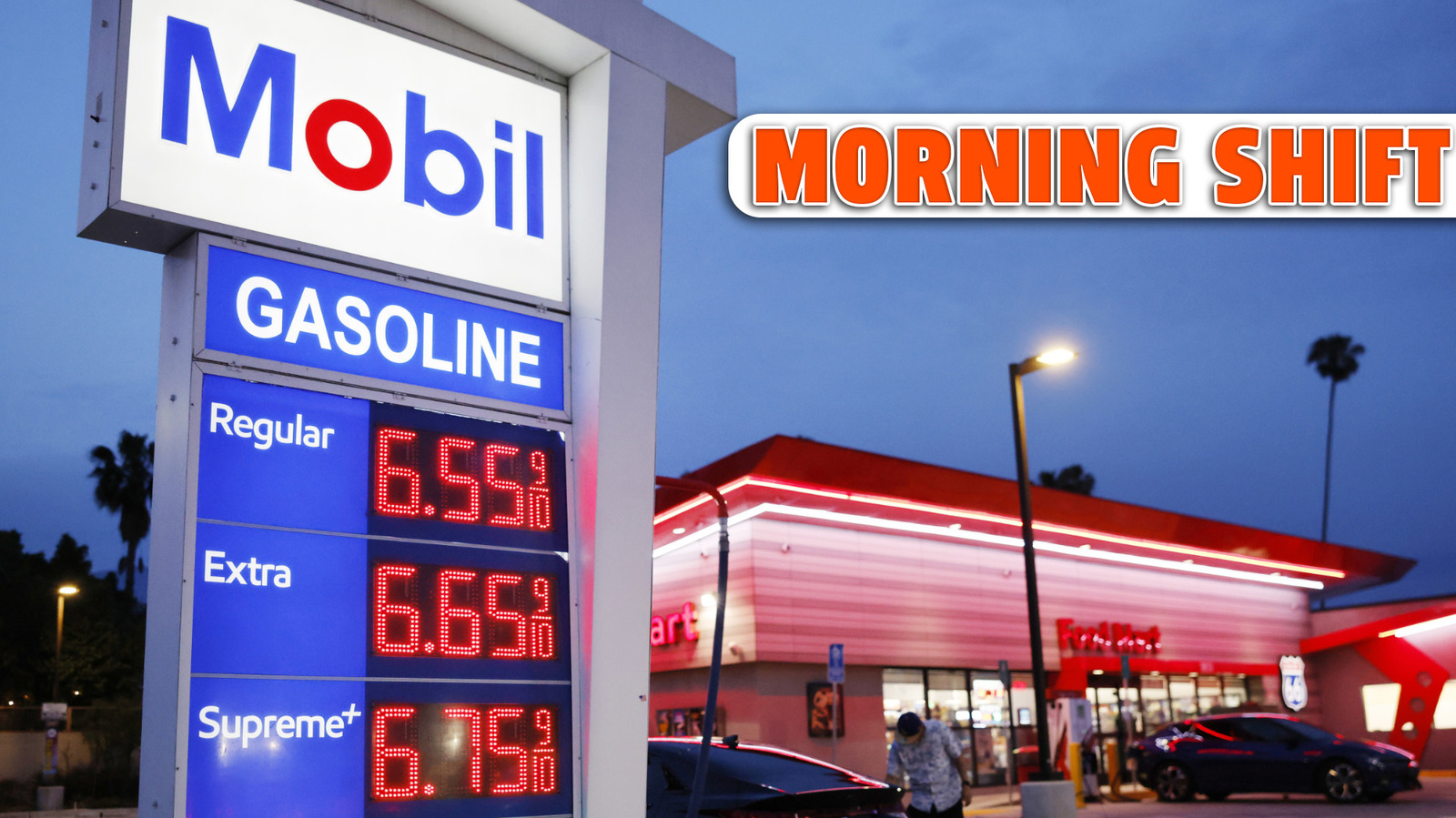
The average U.S. price for regular gasoline has moved above $4 a gallon, reaching $4.018 according to figures cited from AAA. That is up from $2.982 a month earlier, a jump of more than one dollar in just four weeks. Mid-grade and premium have risen sharply as well, reaching $4.541 and $4.904 respectively.
The move matters not only because it raises transportation costs, but because $4 gasoline remains a potent psychological marker in the United States. Consumers do not track crude markets in detail, but they notice the number on roadside signs. Crossing from the threes into the fours changes the public mood quickly, especially when it happens after a steep month-long run-up.
Oil is driving the increase
The report links the surge directly to crude prices above $102 a barrel. That relationship is not perfectly linear, but it is intuitive: higher crude prices feed into wholesale fuel costs, which then pass through retail markets. The speed of the latest move suggests refiners, distributors, and retailers are reacting to a broad cost shock rather than isolated regional disruptions.
When gasoline rises this quickly, the effects spread beyond commuting. Households absorb higher fuel costs in delivery fees, airline tickets, ride-hailing prices, and the general cost structure of moving goods. Even consumers who drive less feel the change indirectly through broader inflation pressure.
The one-month jump is especially notable because the comparison point is so recent. A national regular average of $2.982 was already familiar territory for many drivers. Moving to $4.018 within one billing cycle makes the change more visible and more politically charged than a slower, incremental climb would have.

The transportation sector is already adjusting
The same roundup that reported the price spike also highlighted General Motors idling Factory Zero in Detroit, extending downtime and affecting 1,300 workers while it adjusts EV production to market demand. That juxtaposition captures an awkward moment in transportation policy and consumer behavior. Gasoline is expensive again, yet that alone is not automatically translating into stronger demand for every electric vehicle on offer.
That contradiction says something important about the current market. High fuel prices can strengthen the long-term case for electrification, but buyers still care about purchase price, vehicle size, financing costs, charging convenience, and product fit. An expensive gallon of gas does not erase those constraints overnight.
For policymakers, the optics are difficult. Consumers facing higher pump prices may expect immediate relief, yet energy markets respond to global crude dynamics more than campaign messaging. The article itself notes repeated declarations from President Donald Trump about the war and responsibility for rising prices, but those declarations have not prevented the national average from crossing the $4 line.
Why the $4 benchmark still matters politically
Fuel prices operate as a high-frequency political indicator. Most people do not encounter wholesale electricity auctions or industrial feedstock contracts in daily life, but they regularly buy gasoline. That makes gas prices unusually effective at translating global energy shocks into domestic political pressure.
The threshold also hits unevenly. Drivers in car-dependent areas, suburban commuters, small businesses, logistics fleets, and lower-income households are less able to absorb the increase. A four-dollar national average means many local markets are already materially higher. In those places, the pain is immediate.
There is also a confidence effect. When households see fuel prices rise rapidly, they often become more cautious about discretionary spending even before broader inflation data or labor-market shifts show up in formal indicators. In that sense, the significance of gasoline prices is partly economic and partly behavioral.

What happens next depends on crude, not sentiment
The durability of the $4 mark will depend on whether crude remains elevated or continues rising. If oil retreats, retail gasoline may stabilize or fall. If it does not, fuel costs could remain a drag on consumer spending and a headache for elected officials.
For the transportation sector, the broader lesson is that energy transitions do not unfold in a straight line. High oil prices strengthen the logic for alternatives, but supply chains, product strategy, and consumer affordability still determine whether that logic turns into sales. For drivers, the lesson is simpler: a one-dollar increase in a month is not just a market statistic. It is a reminder that global shocks still reach the household budget quickly.
Crossing $4 nationwide is therefore more than a number. It is a stress signal for consumers, a warning light for policymakers, and a fresh indication that transportation economics remain deeply exposed to events far beyond the gas station forecourt.
This article is based on reporting by Jalopnik. Read the original article.
Originally published on jalopnik.com