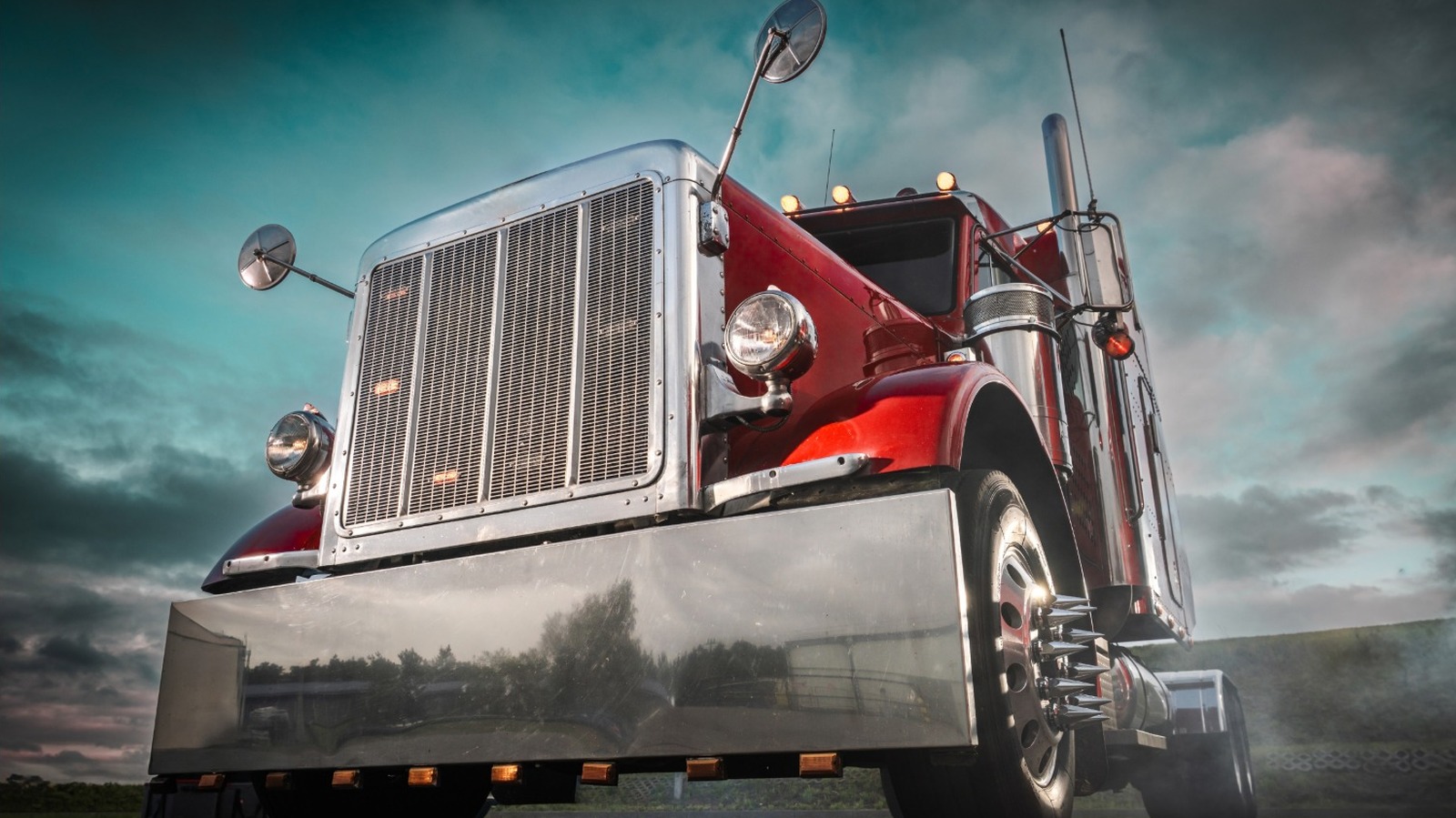
La frase describe un modelo de negocio, no solo a un conductor
En el transporte por carretera, “owner-operator” suena directo, pero el término tiene más peso económico y regulatorio de lo que parece. Como explica Jalopnik, la parte de “owner” no siempre se refiere a poseer el camión. Se refiere a poseer el negocio. La parte de “operator” significa que la persona también conduce.
Esa distinción importa porque los owner-operators ocupan un espacio híbrido en el transporte de carga: son conductores, pero también pequeños empresarios responsables de conseguir trabajo, administrar gastos y hacer que los números de cada milla cuadren. En la práctica, se sitúan en la intersección entre trabajo, emprendimiento y política de transporte.
Más de un tipo de owner-operator
El texto fuente describe varios modelos de negocio bajo la misma etiqueta. Uno es el owner-operator independiente que posee el camión, maneja la conducción y administra el negocio bajo su propia autoridad operativa del Departamento de Transporte. Bajo ese modelo, el owner-operator busca clientes de carga y paga costos operativos como seguro, mantenimiento y diésel.
Otro modelo es el llamado arrangement de lease-on. En ese caso, un owner-operator arrienda el camión y los servicios de conducción a un transportista y opera bajo la autoridad de ese transportista. Jalopnik describe esta estructura como especialmente útil para personas que tienen un camión pero aún no cuentan con autoridad operativa o no quieren la carga de tratar directamente con intermediarios y cargadores.
La fuente también señala otras versiones en las que el owner-operator arrienda un camión de un transportista y conduce para ese transportista. El hilo común es que la persona sigue asumiendo responsabilidad empresarial, aunque cambie la estructura concreta del activo y la autoridad.
Por qué el modelo creció después de 1980
El artículo vincula el crecimiento de los owner-operators con el Motor Carrier Act de 1980, que desreguló de forma significativa la industria del transporte por carretera. Según la fuente, los owner-operators existían antes, pero la desregulación facilitó convertirse en transportista y redujo algunas restricciones sobre los tipos de carga que podían llevar.
Ese detalle histórico es importante porque explica por qué los owner-operators no son solo un arquetipo cultural de la carretera abierta. También son el producto de un cambio estructural en cómo se organizaban los mercados de carga. Cuando cambiaron las barreras de entrada, aumentó el número de operadores pequeños en la carretera y, en pocos años, la proporción de conductores for-hire que eran owner-operators se había más que duplicado respecto a los niveles previos a la desregulación, según el resumen de la fuente.
En otras palabras, el modelo de owner-operator forma parte de la lógica posterior a la desregulación del transporte por carretera en EE. UU.: más flexibilidad, más exposición empresarial individual y más fragmentación en la forma en que se organiza el trabajo.
El atractivo y la presión
Jalopnik describe a los owner-operators como “empresarios completos”, y esa caracterización recoge tanto el atractivo como el riesgo. A cambio de más control sobre el trabajo y las decisiones empresariales, asumen responsabilidades que los conductores empleados no cargan de la misma manera. Deben calcular tarifas, negociar cargas y anticiparse a costos volátiles.
El combustible es uno de los ejemplos más claros en el texto fuente, que señala la presión que los precios del diésel pueden ejercer sobre la industria. Pero el combustible es solo una parte. El seguro, el mantenimiento, la financiación y el tiempo de inactividad pueden cambiar rápidamente la economía de una pequeña operación de camiones. La independencia asociada a los owner-operators, por tanto, conlleva una necesidad constante de gestionar la incertidumbre.
Por eso el término no debe reducirse a una simple etiqueta de propiedad. Designa a un trabajador de carga que opera dentro de un marco empresarial que puede ofrecer autonomía, pero también traslada al individuo una amplia gama de costos y riesgos.
Una estructura de transporte duradera
Aunque la fuente es un texto explicativo y no una nota de última hora, el tema sigue siendo relevante porque los owner-operators continúan siendo importantes para la capacidad de carga y la economía del transporte por carretera. Representan una parte del mercado donde la política, el precio del mercado y la estructura empresarial se cruzan directamente a nivel de un solo conductor-empresa.
Los múltiples modelos descritos en la fuente también ayudan a explicar por qué las discusiones sobre el trabajo en el transporte por carretera pueden volverse confusas. Dos conductores pueden ser llamados owner-operators y, sin embargo, enfrentar realidades comerciales muy distintas dependiendo de si poseen su vehículo, lo arriendan, operan bajo su propia autoridad o trabajan bajo la autoridad de un transportista.
Para el sector del transporte en general, esa complejidad merece atención. Los sistemas de carga suelen discutirse en términos de cadenas de suministro, almacenes y software logístico. Pero una parte importante del transporte por carretera todavía depende de arreglos empresariales mucho más pequeños y personales en escala. El modelo de owner-operator es uno de los ejemplos más claros de esa realidad.
Entender el término, entonces, significa entender más que quién va al volante. Significa entender una estructura empresarial nacida de la desregulación, sostenida por contratos y arrendamientos, y definida por el desafío diario de convertir millas en margen.
Este artículo se basa en la cobertura de Jalopnik. Leer el artículo original.
Originally published on jalopnik.com