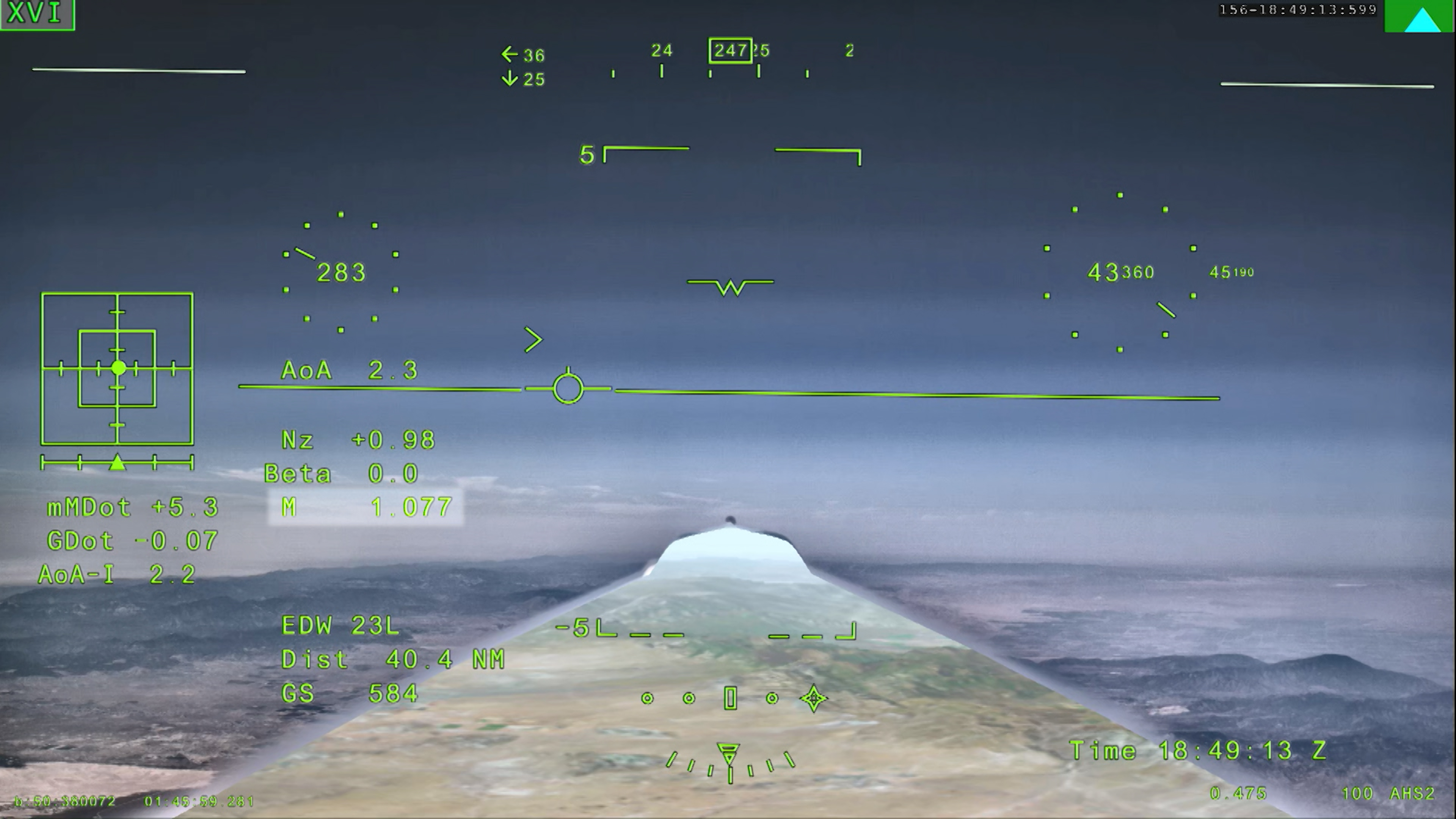
El X-59 alcanza un hito crítico de pruebas
El avión experimental X-59 de NASA ha volado por primera vez más rápido que la velocidad del sonido, un paso importante para la misión Quesst de la agencia y para el impulso más amplio de recuperar el vuelo supersónico sin el molesto estampido sónico que frustró intentos anteriores sobre tierra.
Según NASA, el vuelo tuvo lugar el viernes 5 de junio de 2026 desde la Base de la Fuerza Aérea Edwards en California. El piloto de pruebas Jim “Clue” Less despegó a las 11:08 a. m. PDT, voló durante 81 minutos y alcanzó una velocidad máxima de alrededor de Mach 1,1, o 713 mph, a una altitud de 43.400 pies. El equipo se centró en las cualidades de manejo tanto a velocidades subsónicas como supersónicas.
Por qué este avión es diferente
El X-59 no es solo otro avión rápido. Está diseñado para demostrar que los aviones supersónicos pueden volar produciendo solo un leve golpe sordo, en lugar de un estampido sónico brusco que hace vibrar las ventanas. Ese objetivo es central en la estrategia de NASA. Si la aeronave puede demostrar que el vuelo supersónico de bajo estampido es práctico, podría ayudar a respaldar futuros cambios en las normas que durante mucho tiempo han limitado el transporte supersónico sobre tierra.
Por eso, el primer vuelo supersónico importa por algo más que una medalla de rendimiento. Marca un punto de transición en el programa. NASA afirma que ahora el avión avanza hacia vuelos de prueba más rápidos que la velocidad del sonido, mientras el equipo se prepara para operaciones más exigentes en “condiciones de misión”.
El progreso ha sido rápido desde el primer vuelo del avión el 28 de octubre de 2025. El administrador de NASA, Jared Isaacman, dijo que el equipo ha volado 16 veces en los últimos 90 días y que se ha instalado en un ritmo de pruebas constante. También dijo que la agencia espera avanzar hasta Mach 1,4 en los próximos días.

La próxima prueba puede importar aún más
NASA describe el próximo vuelo en “condiciones de misión” como aún más crítico para la misión que el propio primer vuelo supersónico. El objetivo de ese vuelo es una velocidad de crucero de Mach 1,4, o 925 mph, a unos 55.000 pies. Esas condiciones están más cerca del régimen operativo previsto para la aeronave y deberían ofrecer una visión más clara de cómo rinde el X-59 cuando vuela según lo exige la misión.
Para el vuelo del 5 de junio, un avión perseguidor F-15 de NASA voló cerca para monitorear el X-59. NASA señala que los estampidos más fuertes del F-15 enmascararon cualquier sonido producido por el X-59, por lo que el hito tuvo que ver con la velocidad y la progresión del vuelo, no con una demostración acústica pública.
Esa distinción es importante. La promesa central del X-59 es un viaje supersónico silencioso, pero esa promesa no se evaluará solo por cruzar Mach 1,0. Se juzgará por si la aeronave puede producir repetidamente la firma de bajo estampido que NASA busca y reunir datos lo suficientemente sólidos para informar a los reguladores y a futuros fabricantes.
Una señal para la política y la industria
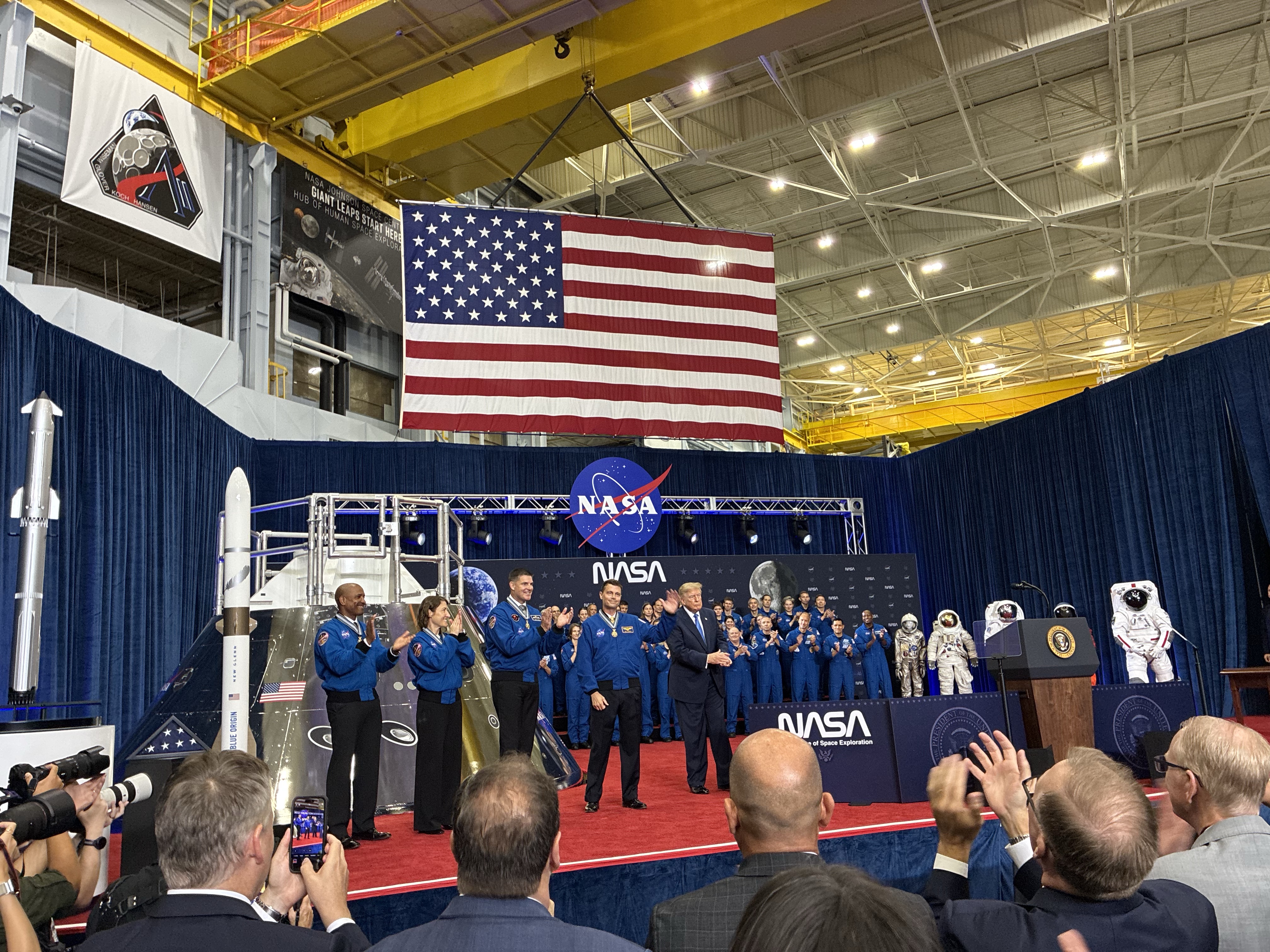
El anuncio de NASA estuvo acompañado por comentarios de Michael Kratsios, asistente del presidente para ciencia y tecnología y director de la Oficina de Política Científica y Tecnológica, quien calificó el vuelo como un testimonio de la innovación aeroespacial estadounidense. El comunicado vinculó el hito con el interés más amplio de la administración Trump en habilitar el vuelo supersónico.
Ese contexto de política importa porque el X-59 no es un esfuerzo de investigación aislado. Se sitúa en la intersección del diseño aeronáutico, la acústica, la regulación y la ambición comercial. El renacimiento supersónico ha dependido durante mucho tiempo de resolver una disyuntiva básica: la velocidad tiene atractivo comercial, pero los fuertes estampidos han hecho que el servicio rutinario sobre tierra sea políticamente y legalmente difícil.
Si NASA puede producir datos creíbles de bajo estampido, podría dar a los reguladores más confianza para revisar restricciones antiguas. Eso no crearía por sí solo un mercado comercial, pero sí eliminaría una de sus barreras más persistentes.
La importancia de Mach 1,1
Superar la barrera del sonido a Mach 1,1 no es el objetivo final del X-59, pero sí es un umbral significativo porque confirma que la aeronave ya puede operar en el régimen que fue construida para estudiar. Los programas de investigación suelen depender de estos momentos de transición, cuando un avión deja de demostrar que puede volar y empieza a demostrar que puede cumplir su misión.
Ahí es donde se encuentra ahora el X-59. El primer vuelo supersónico no responde a todas las preguntas sobre el rendimiento de bajo estampido, la fiabilidad operativa o la futura certificación. Pero sí lleva al programa a la fase que más importa: generar la evidencia necesaria para probar si el vuelo supersónico sobre tierra puede volver a ser aceptable.
Este artículo se basa en un informe de NASA. Leer el artículo original.
Originally published on nasa.gov