Los datos comerciales de observación de la Tierra obtienen otro respaldo de NASA
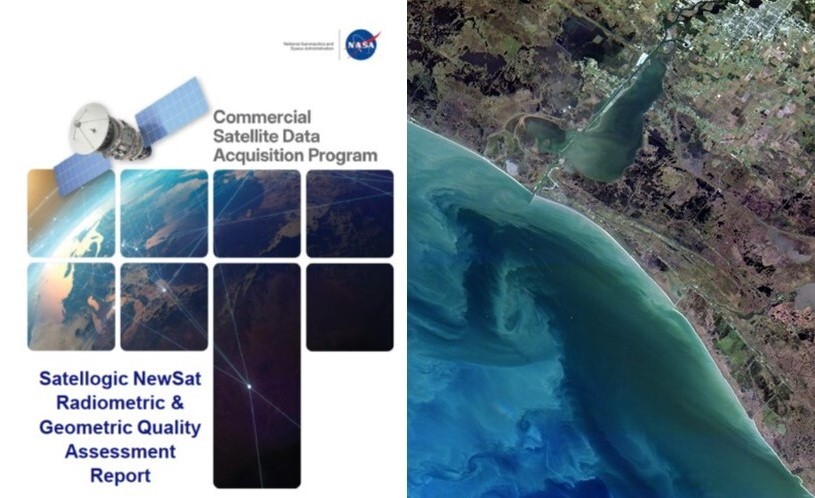
El programa de Adquisición de Datos Comerciales de Satélites de NASA publicó un informe de evaluación de calidad que concluye que los datos de la constelación NewSat de Satellogic pueden utilizarse para aplicaciones científicas. La decisión suma otra fuente de datos al esfuerzo de NASA por evaluar e integrar productos comerciales de teledetección en los flujos de trabajo de la ciencia de la Tierra, pero el informe también muestra que la aprobación no implica un rendimiento uniforme en toda la flota de un proveedor.
La evaluación abarca las generaciones de sensores Mark IV y Mark V de Satellogic y se centra en la calidad radiométrica y geométrica, dos dimensiones fundamentales para la imagen científica. El rendimiento radiométrico determina con qué fiabilidad los valores de reflectancia medidos corresponden a la realidad, mientras que el rendimiento geométrico afecta la precisión espacial y la fidelidad de la imagen. Para los investigadores que usan imágenes para análisis y no solo para visualización, esas distinciones son centrales.
Qué examinó NASA
Según el resumen del informe, expertos de NASA analizaron 60 imágenes de reflectancia en el tope de la atmósfera recopiladas entre 2021 y 2025. La revisión comparó el rendimiento en múltiples sitios y contrastó las bandas espectrales con valores de referencia de Aqua MODIS. Este tipo de evaluación importa porque las constelaciones comerciales se están multiplicando rápidamente, pero los usuarios científicos necesitan saber si los productos de datos resultantes son lo bastante consistentes para la investigación y las aplicaciones operativas.
Los resultados fueron en general positivos en calidad radiométrica. NASA indicó que la mayoría de las bandas espectrales se desempeñaron dentro del 10% de los valores de referencia de Aqua MODIS, y que las relaciones señal-ruido cumplieron los criterios de calificación “Good” en más de la mitad de las bandas examinadas. Eso no implica perfección, pero sí sugiere que las imágenes superan una base importante para su relevancia científica.
Los hallazgos geométricos también fueron alentadores en general, con un rendimiento superior a las especificaciones declaradas de respuesta espacial del sensor. Sin embargo, la revisión también reveló una variabilidad notable entre las dos generaciones de sensores, y esa diferencia es una de las contribuciones más útiles del informe.
Mark IV y Mark V no rindieron igual
El resumen de NASA señala que la generación Mark IV recibió una calificación “Excellent” en respuesta espacial del sensor, mientras que Mark V fue evaluado como “Basic”. Esa brecha es significativa porque recuerda a los usuarios que una constelación no debe tratarse como un bloque monolítico. Incluso dentro de la misma familia de un proveedor, distintas generaciones de sensores pueden tener fortalezas, limitaciones y niveles de idoneidad diferentes para tareas científicas.
Para los investigadores, eso significa que la elección del producto y la atención a los metadatos siguen siendo cruciales. Un conjunto de datos aprobado para uso científico aún puede requerir filtrado cuidadoso según la generación del instrumento, el período de adquisición o las decisiones de procesamiento posteriores. Los programas de datos comerciales más valiosos no solo abren la puerta a más imágenes; también crean la documentación que permite a los usuarios decidir cuándo y cómo esas imágenes son apropiadas.
NASA también señaló que, desde la publicación del informe, Satellogic ha modificado aspectos de su procesamiento en parte para abordar los hallazgos y recomendaciones de la evaluación. CSDA está evaluando ahora esos productos revisados y planea informar los resultados más adelante. Esa revisión de seguimiento muestra que el proceso no es estático. La evaluación de proveedores se está convirtiendo en un ciclo iterativo en el que los proveedores comerciales reciben retroalimentación científica y modifican el procesamiento de datos en respuesta.
Por qué importa el programa CSDA
NASA creó el programa de Adquisición de Datos Comerciales de Satélites para identificar, evaluar y adquirir datos de teledetección del sector privado que puedan mejorar la investigación y las aplicaciones de la ciencia de la Tierra. La lógica es sencilla: los proveedores comerciales están lanzando sensores, revisando productos y ampliando cobertura a un ritmo que quizá los programas gubernamentales por sí solos no puedan igualar. Si esos datos pueden validarse e integrarse de forma responsable, pueden ampliar la capacidad de observación para usos científicos y sociales.
Por ello, el programa cumple dos funciones a la vez. Le da a NASA una forma estructurada de probar nuevas ofertas comerciales y ofrece a los proveedores una vía hacia casos de uso científicos que exigen documentación más rigurosa que los mercados comerciales de imágenes habituales. Con el tiempo, este tipo de interfaz podría incluso moldear el mercado al premiar a las empresas que construyen productos capaces de resistir el escrutinio científico.
La aprobación de NewSat forma parte de ese patrón más amplio. No es solo una declaración sobre una constelación. Es una prueba de que las agencias científicas están construyendo mecanismos para absorber sistemas de observación del sector privado sin abandonar los controles de calidad.
Una relación más madura entre la ciencia y las imágenes comerciales
El aspecto más interesante de este informe quizá sea el bucle de retroalimentación que representa. NASA revisó las imágenes, encontró fortalezas y debilidades, publicó esos resultados, y luego la empresa cambió algunos pasos de procesamiento en respuesta. Es un modelo más maduro que la simple adquisición. Sugiere un mercado en el que se espera cada vez más que los proveedores comerciales de observación de la Tierra respondan a evaluaciones científicas, no solo a la demanda del cliente.
Para los usuarios finales, eso es una buena noticia. Significa que la calidad de los datos no se está tratando solo como una afirmación de marketing. Se está probando, comparando y documentando. La salvedad que persiste es que los usuarios aún deben prestar atención a los detalles. “Aprobado para uso científico” no es una promesa general de que toda variación del producto funcione de forma idéntica. En el caso de NewSat, la distinción entre el rendimiento de Mark IV y Mark V es precisamente el tipo de matiz que necesitan los usuarios serios.
La evaluación más reciente de NASA, por tanto, señala progreso en dos frentes: las imágenes satelitales comerciales se están volviendo más utilizables científicamente, y las instituciones que las revisan están mejorando en documentar lo que eso realmente significa.
Puntos clave
- El programa CSDA de NASA concluyó que las imágenes NewSat de Satellogic pueden utilizarse para aplicaciones científicas.
- La revisión encontró un rendimiento radiométrico generalmente sólido, con la mayoría de las bandas espectrales dentro del 10% de los valores de referencia de Aqua MODIS.
- Las generaciones de sensores difirieron de forma significativa: Mark IV recibió una calificación “Excellent” de respuesta espacial, mientras que Mark V recibió “Basic”.
- Satellogic ya modificó algunos pasos de procesamiento, y NASA está evaluando los productos revisados.
Este artículo se basa en un informe de science.nasa.gov. Leer el artículo original.
Originally published on science.nasa.gov