Astrobotic acerca su próximo módulo lunar a un punto de control clave
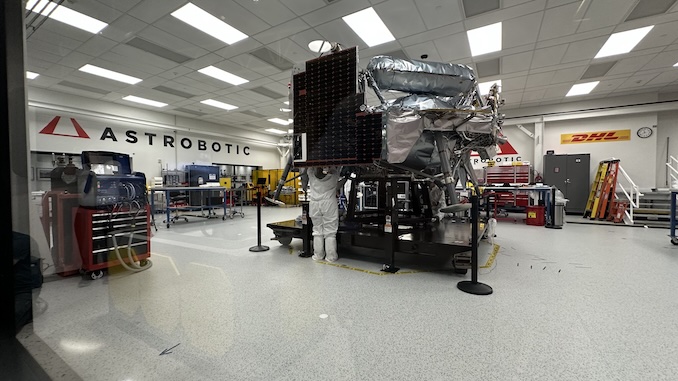
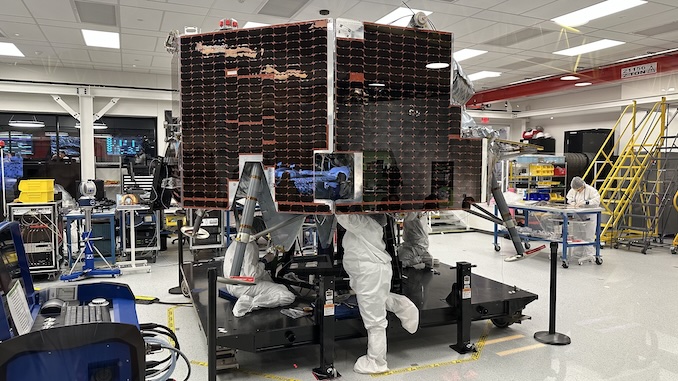
Astrobotic mostró públicamente su módulo lunar Griffin-1 mientras la nave se prepara para salir de Pittsburgh rumbo a pruebas ambientales en el Jet Propulsion Laboratory de la NASA en California. El evento marca un hito visible para una misión que tiene peso técnico, comercial y reputacional para la empresa después de que su primer intento de alunizaje quedara corto en 2024.
Según la empresa, Griffin-1 está casi completa y ya se ha integrado con varias cargas útiles. El módulo está diseñado para transportar hasta 650 kilogramos, una capacidad de carga considerable para una misión lunar comercial. Un elemento importante, el rover FLIP de Astrolab, está programado para unirse a la nave más adelante en Cabo Cañaveral durante la fase final de integración antes del lanzamiento.
La misión fue presentada originalmente como Griffin-1 dentro del programa Commercial Lunar Payload Services de la NASA y desde entonces la NASA la rebautizó como Moon Base 2. El lanzamiento está previsto para finales de 2026.
Una segunda oportunidad después de Peregrine
Griffin-1 sigue a la misión Peregrine-1 de Astrobotic, que se lanzó en enero de 2024 pero no logró alunizar tras un problema con una válvula de helio al inicio del vuelo. Esa anomalía se convirtió en una prueba decisiva para la empresa. Demostró que el transporte comercial a la Luna sigue siendo técnicamente frágil y obligó a Astrobotic a examinar no solo la causa inmediata del fallo, sino también la estructura de riesgo más amplia de sus sistemas de alunizaje.
Astrobotic dice que Griffin-1 incorpora las lecciones de esa revisión. El director ejecutivo John Thornton afirmó que la empresa fue más allá del fallo conocido e investigó otras posibles vulnerabilidades en todo el sistema. El cambio de diseño más concreto descrito públicamente es un sistema de doble redundancia de válvulas, con dos válvulas distintas, pensado para evitar una repetición del resultado de Peregrine.
Ese cambio importa porque la fiabilidad en el transporte lunar es acumulativa. Un solo componente débil puede deshacer una misión que, de otro modo, habría sido exitosa, especialmente en naves que deben soportar las cargas del lanzamiento, el tránsito por el espacio profundo, las operaciones del motor y las secuencias de aterrizaje sin servicio ni reparación.

Las pruebas ambientales son una etapa decisiva
Llevar Griffin-1 al JPL para pruebas ambientales señala que el proyecto entra en una fase más exigente. Las pruebas, en este contexto, no son un trámite. Es donde la nave se expone a condiciones destinadas a simular las tensiones del lanzamiento y el entorno operativo al que se enfrentará en el espacio.
Para una empresa que viene de una misión fallida, ese proceso implica un escrutinio adicional. Astrobotic necesita demostrar que sus rediseños resisten no solo en teoría, sino también mediante la validación integrada del sistema. Las pruebas ambientales pueden revelar interacciones entre subsistemas que son fáciles de pasar por alto en fases anteriores del ensamblaje.
El momento también importa. Con el lanzamiento fijado para finales de 2026, Griffin-1 pasa de ser una historia de desarrollo a una historia de calendario. Cada hito restante, desde las pruebas hasta la integración final de la carga útil, moldeará la confianza en si Astrobotic puede cumplir esa ventana.
La entrega comercial a la Luna sigue siendo un campo de pruebas
El trabajo de Astrobotic forma parte de un impulso más amplio de la NASA para comprar servicios de entrega lunar a empresas privadas en lugar de construir cada misión de principio a fin por su cuenta. Ese enfoque puede ampliar la cadencia de misiones y fomentar capacidad industrial, pero también traslada una gran parte del riesgo de ejecución a los proveedores comerciales.
Por ello, Griffin-1 representa más que el segundo intento de una empresa. Es otra medida de si el modelo lunar comercial puede madurar hasta convertirse en una capa logística fiable. Una misión exitosa reforzaría la confianza en módulos de alunizaje más pesados, en la integración de cargas útiles diversas y en asociaciones más rutinarias entre la NASA y constructores privados de naves espaciales.

La presencia del rover FLIP de Astrolab también destaca cómo estas misiones se están volviendo más modulares. Cada vez se les pide a los módulos de alunizaje no solo que aterricen, sino que también sirvan como plataformas de transporte para rovers y otras cargas útiles ensambladas por distintas empresas en calendarios diferentes.
Un hito regional con implicaciones nacionales
Astrobotic aprovechó el evento público en Pittsburgh para subrayar el lugar de la ciudad en la industria espacial moderna. Thornton presentó el momento como prueba de que el desarrollo de naves espaciales avanzadas no está limitado a los centros espaciales de larga tradición. El entorno del Moonshot Museum reforzó ese punto al colocar la nave junto a las operaciones de sala limpia de la empresa.
Ese encuadre cívico es algo más que orgullo local. Las empresas espaciales comerciales dependen cada vez más de ecosistemas regionales que combinan talento manufacturero, investigación universitaria, visibilidad pública y socios de la cadena de suministro. Astrobotic está sosteniendo, en la práctica, que Pittsburgh puede respaldar ese modelo.
Cómo se vería el éxito
Para Griffin-1, el éxito comienza mucho antes del lanzamiento. Significa superar las pruebas ambientales, mantenerse en plazo hasta completar la carga útil y demostrar que las correcciones introducidas después de Peregrine abordan la debilidad de ingeniería más visible de la empresa. Después llega la prueba más difícil: la ejecución en vuelo.
La confianza de la empresa se refleja en su mensaje público, especialmente en torno al sistema de válvulas rediseñado. Pero las misiones lunares castigan el exceso de confianza, y el sector comercial aún no ha llegado a un punto en el que la fiabilidad pueda darse por sentada. Por eso Griffin-1 importa. No es solo un módulo de alunizaje que va a pruebas. Es un segundo intento de demostrar que una empresa lunar comercial puede aprender, rediseñar y regresar con un vehículo más fuerte.
Si Astrobotic logra hacerlo, Griffin-1 se situará como una de las misiones más significativas de finales de 2026 en el sector espacial privado.
This article is based on reporting by Spaceflight Now. Read the original article.
Originally published on spaceflightnow.com