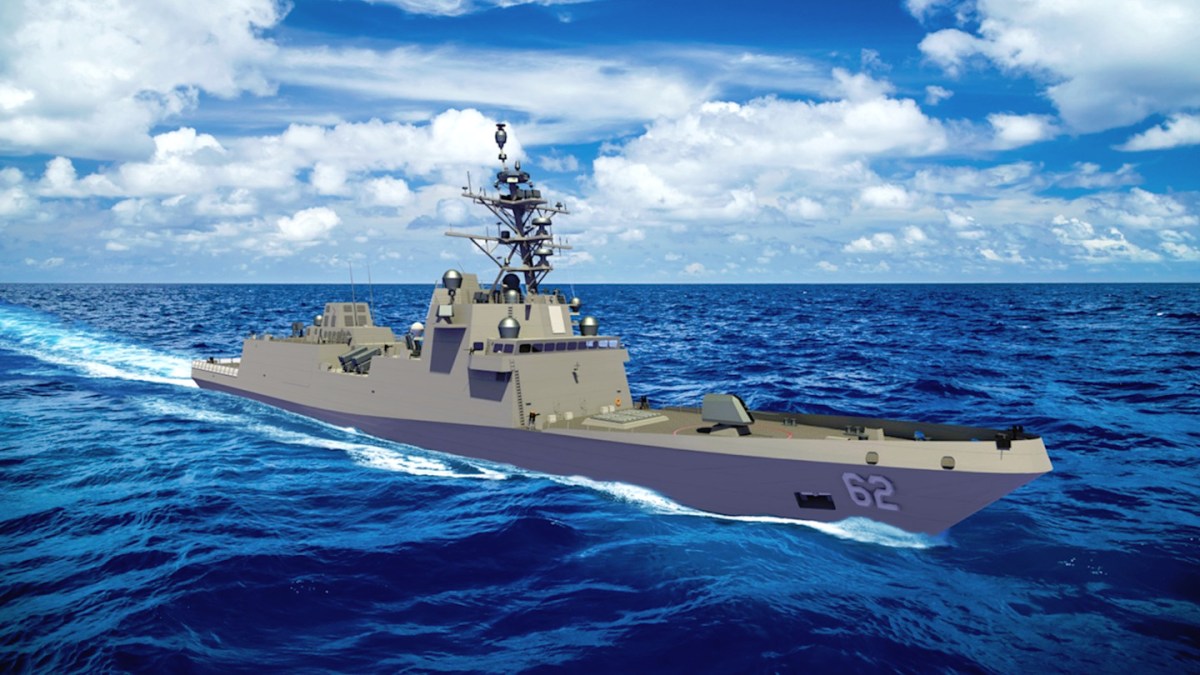
El fallido reinicio de la fragata de la Marina es ahora un caso de estudio sobre disfunción en la adquisición
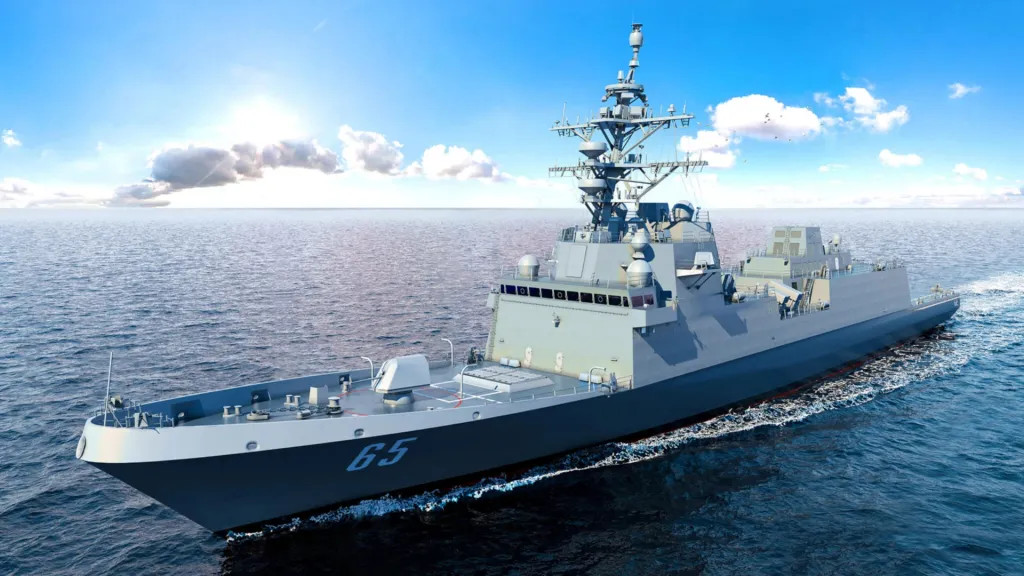
El colapso del programa de fragatas de clase Constellation de la Marina de EE. UU. ya no es solo una historia problemática de construcción naval. Se está convirtiendo en una advertencia más amplia sobre la estructura de adquisiciones, la disciplina del diseño y los riesgos de asumir que un diseño existente derivado del extranjero puede adaptarse rápidamente a los requisitos estadounidenses.
El reportaje de The War Zone, basado en una entrevista con el CEO de Fincantieri Marine Group, George Moutafis, revisita un programa que originalmente debía evitar los errores del Littoral Combat Ship. En cambio, se desmoronó lo suficiente como para que la Marina lo cancelara a finales del año pasado y pasara a un plan de fragata distinto en otro astillero.
La promesa era rapidez y menor riesgo
El concepto original parecía sensato sobre el papel. En lugar de partir de un diseño desde cero, la Marina eligió como diseño base la fragata FREMM franco-italiana. La lógica era sencilla: adaptar un barco probado en lugar de inventar uno nuevo, reducir el riesgo técnico y entregar capacidad más rápido y con menos costo.
Eso no ocurrió. Según el informe, las repetidas órdenes de cambio alejaron cada vez más el diseño Constellation de su origen. Dos años después de iniciada la construcción, el primer buque seguía completado en apenas un 10%, mientras que el propio diseño continuaba sin terminar. Las proyecciones de costo y calendario se deterioraron gravemente en el proceso.

La inestabilidad del diseño hundió el esfuerzo
El fracaso del programa pone de relieve un problema recurrente en la adquisición de defensa: usar un diseño “existente” como argumento político y de gestión, y luego modificarlo tanto que las esperadas economías de tiempo y certeza desaparecen. Una vez que comienzan los cambios constantes en los requisitos, una plataforma derivada puede terminar asumiendo muchos de los riesgos de un diseño nuevo, aunque siga vendiéndose como un atajo.
Esa inestabilidad parece central en el fiasco de la Constellation. El programa debía importar la madurez de FREMM. En cambio, la rotación de diseños socavó el avance de la construcción y dejó al astillero trabajando contra un objetivo móvil.
Las consecuencias ya están cambiando el proceso
Uno de los detalles más importantes del informe es lo que vino después de la cancelación. En respuesta, la Marina creó el sistema Vessel Construction Manager, que utiliza a un gerente contratado para mantener el contrato principal y supervisar el rendimiento del astillero, la subcontratación y el control del calendario. En la práctica, el servicio intenta introducir un amortiguador de gestión más fuerte entre el gobierno y el constructor.
No se trata de un ajuste administrativo menor. Sugiere que la Marina cree que algunos incentivos estructurales en torno a los contratos de construcción naval contribuyeron directamente al fracaso. Se está tratando una nueva capa de supervisión como necesaria para mantener bajo control los costos y plazos futuros.
Lo que ahora representa el programa
Constellation importa porque debía ser la corrección de una vergüenza anterior en la adquisición naval. En cambio, se convirtió en otro ejemplo de lo difícil que es para el Pentágono traducir la urgencia en una ejecución disciplinada cuando los requisitos siguen evolucionando después de que el programa ya está en marcha.
La cancelación también tuvo consecuencias industriales. El astillero de Fincantieri en Wisconsin quedó apartado después de que el contrato de reemplazo fuera para Ingalls Shipbuilding en Pascagoula. Ese resultado subraya cómo un fracaso en las adquisiciones puede reconfigurar no solo los planes de la flota, sino también la distribución del trabajo y la credibilidad en la base industrial de defensa.
La Marina ha explicado por qué siguió adelante, y Fincantieri ahora ofrece su propio relato de lo que salió mal. Pero la lección central ya es evidente. Elegir un diseño base probado no basta si la gestión del programa permite cambios interminables que vacían de contenido la premisa. En ese sentido, Constellation no es simplemente una fragata fallida. Es un recordatorio de que los eslóganes de reforma de adquisiciones significan poco si la disciplina del diseño se derrumba una vez firmado el contrato.
Este artículo se basa en la cobertura de twz.com. Leer el artículo original.
Originally published on twz.com