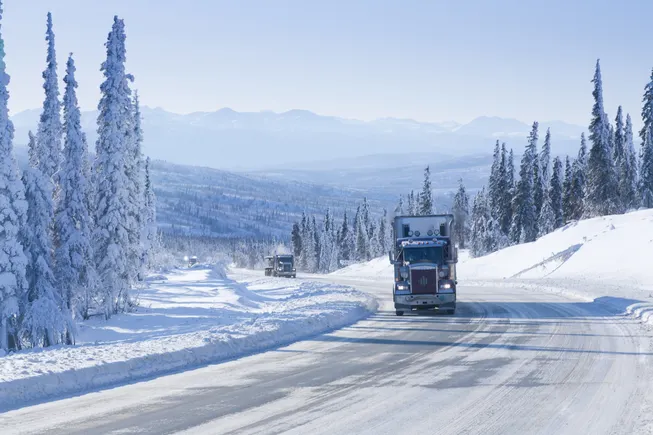
La realidad de la red de Alaska es distinta a la de la mayor parte de Estados Unidos
Los desafíos energéticos de Alaska están siendo presentados como un asunto de infraestructura nacional por Kurt Miller, director ejecutivo y director ejecutivo de Northwest Public Power Association, en un artículo de opinión de Utility Dive publicado el 22 de abril de 2026. El argumento central es que la energía confiable no debería depender de la ubicación, especialmente en comunidades donde los sistemas eléctricos operan en condiciones muy alejadas de las grandes redes interconectadas comunes en la mayor parte del país.
El texto fuente describe a más de 200 comunidades de Alaska que dependen de microrredes desconectadas de cualquier red de transmisión de mayor escala. En esos lugares, la energía a menudo debe generarse localmente, el combustible puede llegar en barcaza o avión, y los equipos deben seguir funcionando en frío extremo, terrenos remotos y largos periodos de luz limitada.
Sistemas pequeños, costos altos
La economía es difícil. Como muchos sistemas atienden a relativamente pocos clientes, el costo de construir, mantener y reparar la infraestructura energética esencial se reparte entre una base mucho más reducida. Cuando falla el equipo, las reparaciones pueden depender de estrechas ventanas estacionales de entrega, mano de obra especializada y largas cadenas de suministro con poco margen para retrasos.
El resultado, según la fuente, es que los costos de la electricidad en muchas comunidades rurales pueden alcanzar varias veces el promedio nacional. Esa carga de costos afecta más que las facturas de servicios del hogar. La asequibilidad energética influye en si las comunidades pueden atraer a docentes, trabajadores de la salud y otros empleados esenciales, y en si las pequeñas empresas pueden seguir siendo viables.
- Más de 200 comunidades de Alaska dependen de microrredes aisladas.
- La entrega de combustible puede depender de aviones o barcazas, en lugar de densas redes continentales de suministro.
- Los altos costos de la electricidad pueden afectar la contratación de personal, los servicios públicos y la supervivencia de los negocios locales.
El argumento de política del artículo es que las necesidades de modernización de Alaska no deberían tratarse como una preocupación regional de nicho. En cambio, el texto pide considerar la resiliencia de la energía remota, la modernización de microrredes y el almacenamiento como parte de la agenda de infraestructura más amplia del país.
Este artículo se basa en la cobertura de Utility Dive. Leer el artículo original.
Originally published on utilitydive.com