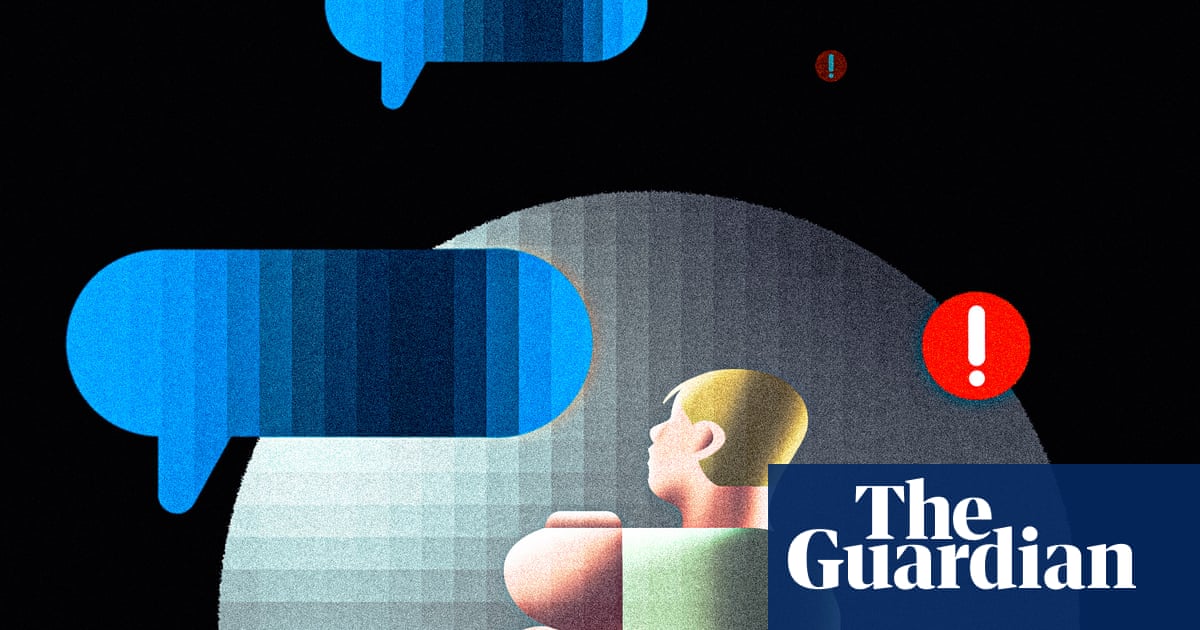
When the School Counselor Is a Chatbot
Across the United States, schools are turning to an unconventional solution for the student mental health crisis: AI-powered chatbot counselors that interact with students, monitor their emotional states, and flag potential problems to human staff. The programs, adopted by districts struggling with counselor shortages and rising rates of anxiety, depression, and self-harm among young people, promise scalable support that no human workforce can match. But they also raise profound questions about privacy, clinical appropriateness, and the ethics of deploying AI systems to manage children's mental health.
The AI counselors typically work through school-provided devices or apps, engaging students in text-based conversations about their feelings, stressors, and daily experiences. Using natural language processing, the systems analyze student responses for indicators of psychological distress, suicidal ideation, or other risk factors. When the AI identifies concerning patterns, it alerts human counselors or administrators for follow-up.
The Scale of the Problem They Address
The adoption of AI counselors is driven by a genuine and worsening crisis. The American School Counselor Association recommends a ratio of one counselor for every 250 students; the national average is approximately one for every 385. In some states, the ratio exceeds one to 500. Meanwhile, the CDC reports that nearly half of high school students experienced persistent feelings of sadness or hopelessness in recent years, and emergency department visits for mental health crises among adolescents have surged.
Against this backdrop, the appeal of AI counselors is understandable. A chatbot can be available 24/7, can interact with hundreds of students simultaneously, and never takes a sick day. For students who feel uncomfortable approaching a human adult with personal problems, the perceived anonymity and non-judgmental nature of an AI interface may lower barriers to seeking help.
What AI Counselors Can and Cannot Do
- They can provide a consistent, always-available point of contact for students
- They can identify patterns in language that suggest risk, often before human observers notice
- They cannot provide clinical mental health treatment or therapy
- They cannot understand context, nuance, or cultural factors the way human counselors can
- They create digital records of sensitive conversations that raise privacy concerns
Privacy and Data Concerns
The privacy implications of AI counseling systems for minors are significant and largely unresolved. When a student confides in an AI about family problems, substance use, sexuality, or suicidal thoughts, that information is recorded, analyzed, and potentially shared with school administrators. The legal frameworks governing this data — including FERPA, COPPA, and state-level privacy laws — were not designed with AI mental health monitoring in mind.
Parents and privacy advocates have raised concerns about who has access to the data, how long it is retained, whether it could be subpoenaed in legal proceedings, and how it might affect students in the future. A digital record of adolescent mental health struggles, created by a school-mandated AI system, could have consequences that no one has fully contemplated.
Clinical and Ethical Questions
Mental health professionals have expressed cautious concern about AI counselors. While they acknowledge the severity of the counselor shortage, many worry that AI systems may miss critical cues that a trained human would catch, provide responses that inadvertently harm students in crisis, or create a false sense of security that reduces investment in human counseling capacity.
The question of informed consent is particularly fraught. Many of the students interacting with AI counselors are minors who may not fully understand that their conversations are being analyzed by software and shared with adults. The boundary between supportive technology and surveillance is thin, and schools adopting these systems must navigate it carefully.
As the technology continues to develop and adoption expands, the debate will intensify. AI counselors may prove to be a valuable complement to human mental health support — or they may represent a well-intentioned misstep that trades children's privacy and emotional safety for administrative convenience. The answer likely depends on how carefully these systems are implemented, regulated, and overseen.
This article is based on reporting by The Guardian. Read the original article.
Originally published on theguardian.com