El mensaje de Tesla es cada vez más claro
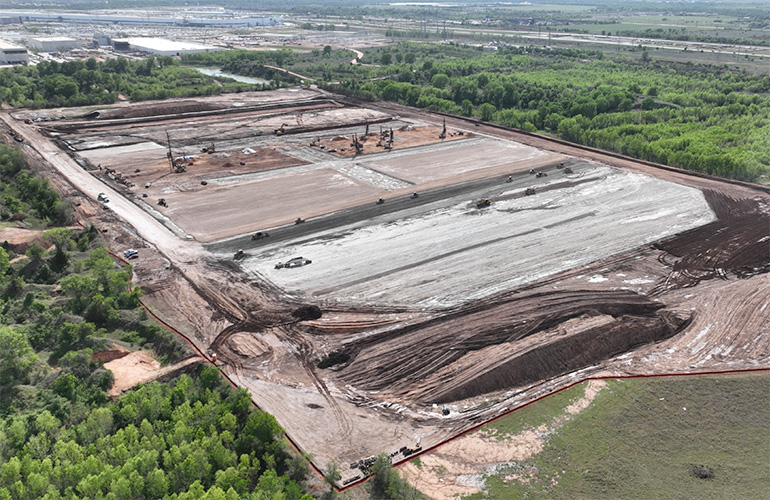
Tesla se presenta cada vez más como algo más que una empresa de vehículos eléctricos. En los detalles de un informe de The Robot Report, la compañía se describe como si fuera a iniciar la producción de Optimus en el segundo trimestre de 2026, sustituyendo las antiguas líneas de automóviles de Fremont y poniendo la primera piedra en Texas mientras avanza hacia lo que se caracteriza como un futuro centrado en la robótica. El titular añade una señal aún más contundente: Tesla apunta a 10 millones de unidades de Optimus con una nueva planta en Texas.
Incluso para los estándares de Tesla, se trata de una declaración de intenciones inusualmente amplia. Un objetivo de esa escala no es un simple programa piloto. Es la afirmación de que los robots humanoides podrían convertirse en una línea de producto industrial central y no en un proyecto experimental secundario. Junto con los nuevos planes de fábrica y las referencias a cambios en las prioridades de producción, el mensaje es que Tesla quiere que los inversores y el mercado en general lean la robótica como parte central de su próxima etapa.
Por qué importa el lenguaje de la fábrica
Los detalles de fabricación son importantes porque llevan a Optimus del branding conceptual al posicionamiento industrial. Las empresas suelen mostrar prototipos robóticos. Mucho menos frecuente es empezar a hablar de calendarios de producción dedicados, construcción de plantas y reutilización de líneas existentes. Esas son las señales que los mercados usan para distinguir la ambición del compromiso operativo.
Si Tesla está trasladando de hecho parte de la capacidad heredada de Fremont desde las líneas de vehículos antiguos hacia trabajos relacionados con Optimus, eso sugeriría una reasignación interna significativa de recursos. También reforzaría la idea de que el crecimiento futuro de la empresa vendrá de una plataforma de automatización más amplia, no solo de la venta de automóviles.
La expansión propuesta en Texas encaja con esa misma lógica. Texas ya se ha convertido en uno de los lugares de fabricación más importantes simbólicamente para Tesla. Usarlo como base para la producción a gran escala de robots humanoides permitiría a la empresa vincular su narrativa sobre robótica con un sitio físico asociado con velocidad, escala y construcción industrial doméstica.
La escala de la afirmación
La meta de 10 millones de unidades es la parte que probablemente atraerá tanto atención como escepticismo. Es una cifra enorme en cualquier categoría de hardware, y más aún en máquinas bípedas o semihumanoides que operan en entornos reales. Alcanzar algo siquiera cercano a esa cifra exigiría avances no solo en fabricación, sino también en reducción de costos, fiabilidad, seguridad de despliegue, capacidad de software y claridad de los casos de uso.
Eso no significa que el objetivo sea irrelevante. Las metas numéricas ambiciosas suelen funcionar como una señal estratégica. Indican a proveedores, mercados laborales, inversores y competidores qué tipo de ecosistema quiere construir una empresa. En el caso de Tesla, esa cifra también coloca a Optimus dentro de la misma retórica de escala que la compañía ha usado para vehículos, baterías y productos energéticos.
El riesgo, sin embargo, es obvio. La robótica tiene una larga historia de prometer más de lo que entrega en plazos comerciales. Un objetivo enorme puede impulsar la atención, pero también puede amplificar el escrutinio si el despliegue en el mundo real sigue siendo limitado o lento.
Por qué la robótica humanoide se ha vuelto central de repente
La importancia más amplia de la apuesta de Tesla reside en lo que dice sobre el sector de IA y robótica. Los sistemas humanoides se han convertido en una de las fronteras más observadas de la automatización porque prometen operar en espacios ya diseñados para humanos. En teoría, eso significa que podrían integrarse en fábricas, almacenes y entornos de servicio sin requerir una infraestructura física completamente nueva.
Para Tesla, el atractivo es aún mayor. La empresa ya se comercializa en torno a la IA, la visión por computadora, la fabricación y la autonomía en el mundo real. Optimus le permite conectar esos temas en un solo objeto que es fácil de imaginar, fácil de demostrar y fácil de escalar en el discurso. Un robot también es un símbolo más dramático de la IA encarnada que las funciones de software o las actualizaciones de asistencia a la conducción.
El peligro es que el simbolismo se adelante a la sustancia. Los inversores acabarán queriendo evidencia no solo de prototipos e inicios de producción, sino de tareas repetibles, demanda de clientes y economía sostenible. Construir robots es difícil. Construir un mercado de masas para ellos lo es aún más.
Qué observar a continuación
La siguiente fase de la historia dependerá de si Tesla puede traducir los anuncios de plantas y el lenguaje de producción en hitos medibles. Eso incluirá el ritmo real de producción de Optimus, los tipos de trabajos que los robots pueden realizar de forma fiable y si la empresa puede demostrar suficiente utilidad real para justificar una expansión industrial continuada.
Por ahora, Tesla ha dejado clara su intención. Quiere que el mercado crea que el centro de gravedad de la empresa se está moviendo de los vehículos eléctricos hacia la robótica, con Texas como principal centro de producción y Optimus como apuesta insignia. Es un reposicionamiento estratégico de gran calado, incluso antes de que las cifras de fabricación se pongan a prueba en la práctica.
Si la empresa tiene éxito, podría ayudar a definir la siguiente etapa de la robótica comercial. Si falla, la brecha entre ambición y ejecución será difícil de ignorar. En cualquier caso, Tesla ha dejado claro que quiere que la historia del robot humanoide se tome en serio ahora, y no algún día.
Este artículo se basa en la cobertura de The Robot Report. Leer el artículo original.
Originally published on therobotreport.com