A simpler solar water-heating pitch arrives from Turkey
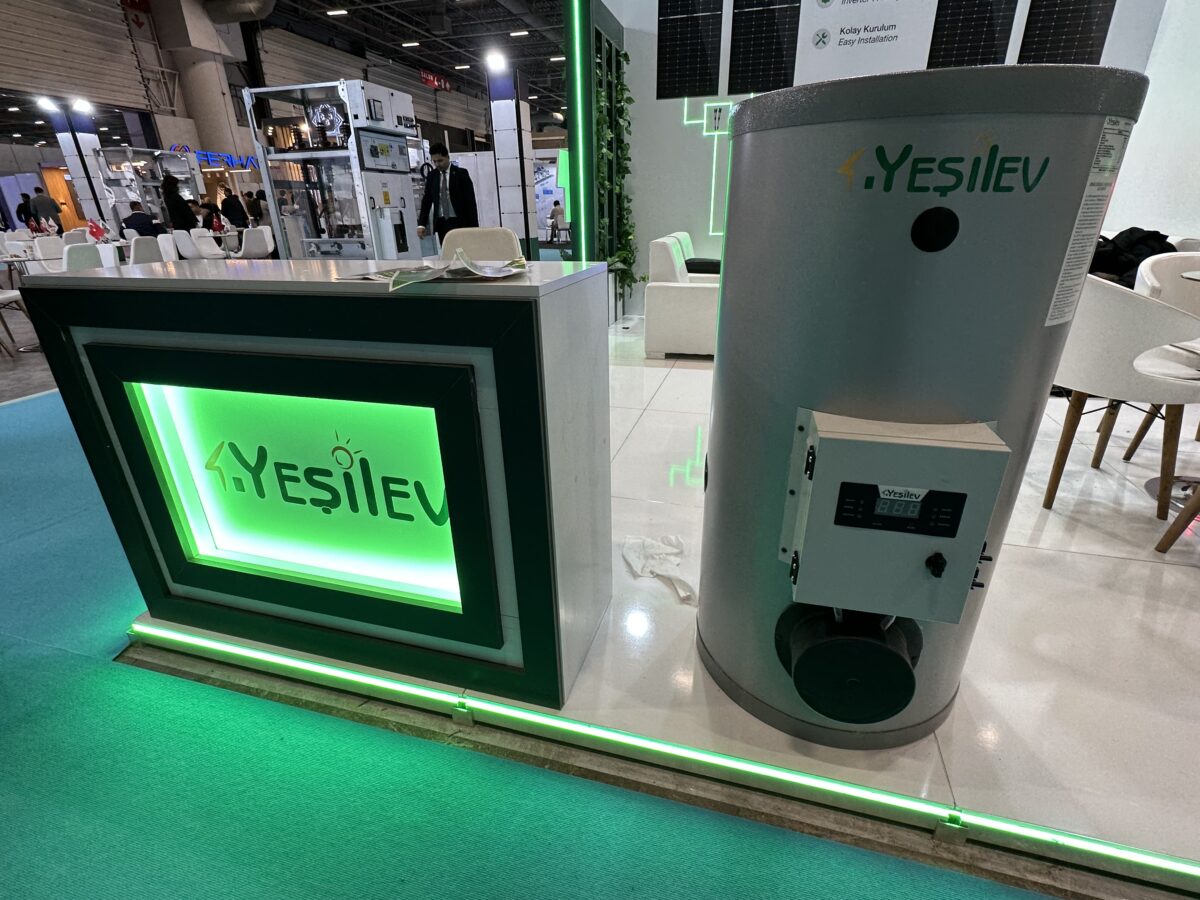
Turkish heating solutions provider Water Heating Systems has presented a photovoltaic-powered water heater designed to run directly on solar DC power rather than routing electricity through an inverter first. The product, introduced at the SolarEX Istanbul trade show, is positioned for residential and small commercial applications and reflects a practical push to reduce system complexity in solar thermal use cases.
The system, branded DC Sunboil, uses 1.6 kW of direct DC solar input with integrated maximum power point tracking, according to the source material from pv magazine. It can also operate in hybrid mode with a 2 kW AC backup. The company says the design can deliver around 3 kWh per day of thermal energy and heat water to between 65 C and 85 C.
Those details make the launch notable not because it is the biggest solar innovation in the market, but because it focuses on a stubbornly important problem: how to turn rooftop solar hardware into useful, low-complexity household energy services.
Why avoiding the inverter matters
The product’s core claim is straightforward. By converting solar power directly into heat via DC electricity, the system avoids the need for an inverter. WHS says that lowers upfront investment, simplifies the setup, and improves reliability in off-grid environments.
In the broader solar market, inverters are central components for many applications, but they also add cost, installation considerations, and another point of failure. For a use case that does not require broad household electrical distribution and is instead dedicated to heating water, a direct pathway from photovoltaic generation to thermal output can be appealing.
That is especially true in smaller installations where buyers care more about robust daily performance than about integrating multiple complex energy assets. A product that is purpose-built for water heating and strips out unnecessary conversion stages is effectively making an efficiency and maintenance argument at the system level, not only the component level.

Technical details point to a targeted deployment model
According to the source, the system works with four photovoltaic panels connected in parallel and operates at an extra-low voltage level below 50 V. WHS says that improves safety. The source also notes that the setup typically uses standard 400 W PV panels.
That matters because it suggests the company is trying to align the product with widely available solar hardware rather than requiring proprietary modules or specialized balance-of-system components. A design built around common panel sizes can lower barriers for installers and buyers, particularly in markets where rooftop solar familiarity is growing but appetite for custom engineering remains limited.
The temperature range is also significant. Water heating to 65 C to 85 C places the product within a useful operating window for homes and smaller commercial environments. That makes the offering legible to buyers who may not be seeking full-building electrification or sophisticated energy management, but who do want to cut grid consumption for a predictable daily need.
What kind of market this serves
The product appears aimed at a pragmatic segment of the energy transition: customers who want solar functionality with constrained cost, manageable installation demands, and straightforward performance. It sits at the intersection of distributed solar, thermal services, and resilience-oriented design.
The off-grid angle called out by the company is important. Inverter-free operation can be particularly attractive in places where grid reliability is inconsistent or where households and small businesses want an energy service that continues working with minimal dependence on complex electronics. Water heating is one of the clearest use cases for this approach because the energy output is directly useful and easy to value.
The hybrid 2 kW AC backup also adds a practical layer. Solar-only systems can be appealing, but backup matters whenever weather conditions or timing reduce solar input. A hybrid design allows the product to present itself not as an experimental niche device, but as a system that can maintain utility under mixed operating conditions.
Why this launch is worth watching
Many energy technology stories focus on grid-scale batteries, utility solar, or major industrial decarbonization. Those are important, but residential and small commercial products that simplify energy use can also shape adoption. A water heater that runs directly on photovoltaic DC power is a smaller innovation, yet it addresses a daily and universal energy demand.
The real test will be whether the inverter-free proposition translates into convincing economics and dependable field performance. The company’s claims about lower upfront investment and improved reliability are plausible within the setup it describes, but commercial traction will depend on installer acceptance, customer understanding, and real-world durability.
Still, the concept lands at the right time. Distributed energy buyers increasingly want hardware that is modular, resilient, and easy to understand. A product that takes standard solar panels and converts their output straight into stored hot water without an inverter is a clean message. It tells potential customers what the system does and why its architecture is different.
Key details from the launch
- The DC Sunboil system was presented by WHS at SolarEX Istanbul.
- It uses 1.6 kW of direct DC solar input with integrated MPPT.
- The system can operate without an inverter and supports a 2 kW AC backup.
- WHS says it delivers around 3 kWh per day of thermal energy.
- The product is designed for residential and small commercial use and heats water to 65 C to 85 C.
In a market crowded with bigger claims, this launch stands out for being concrete. It is not trying to redesign the entire energy system. It is trying to make one common energy task simpler, safer, and more solar-native. That kind of product discipline often matters more than grand ambition when technologies move from trade-show floors into real buildings.
This article is based on reporting by PV Magazine. Read the original article.
Originally published on pv-magazine.com