169,000 Miles of Tesla FSD Experience
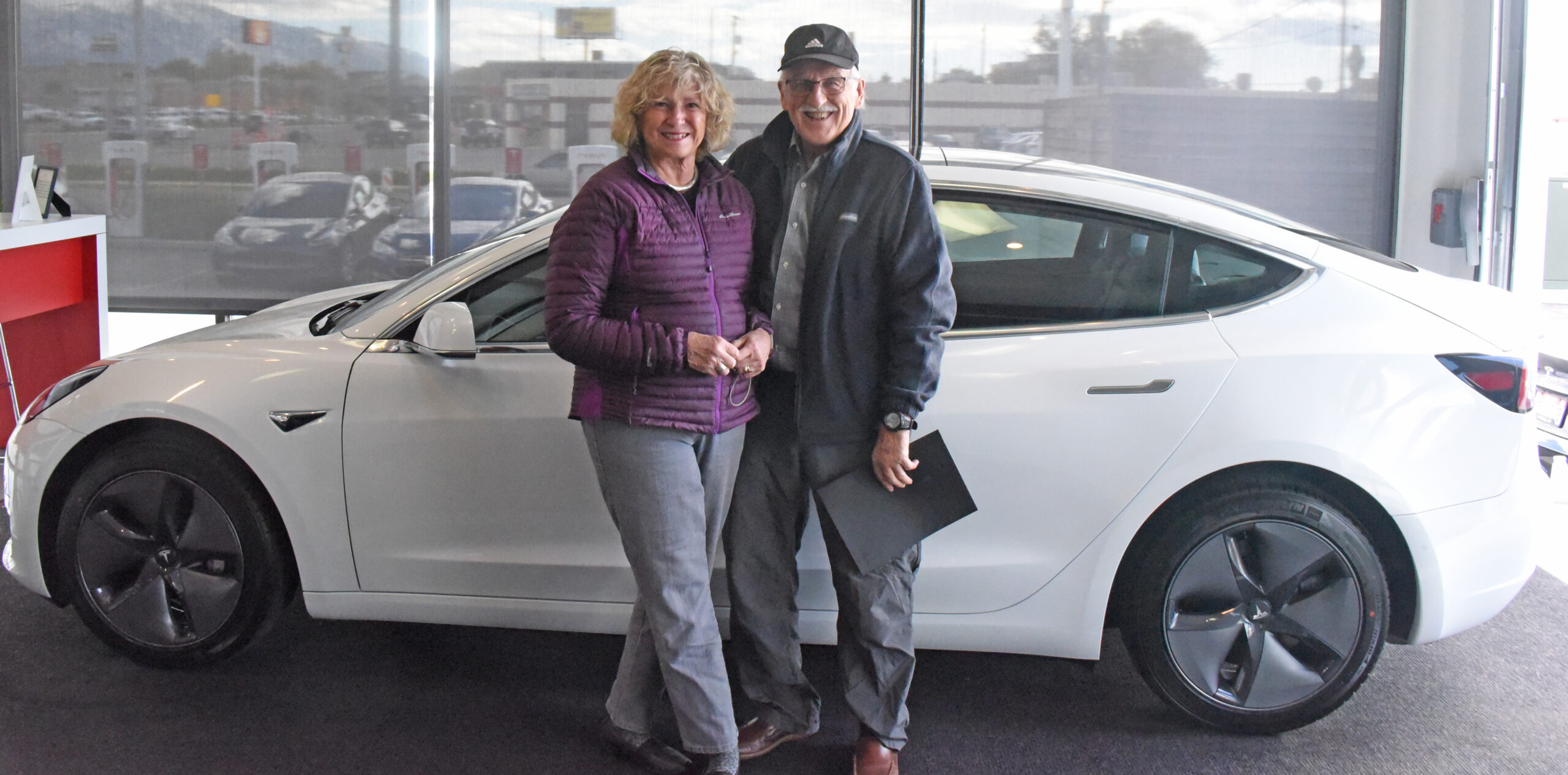
Arthur Frederick Hasler, a retired NASA research meteorologist, has driven his 2019 Tesla Model 3 over 169,474 miles since purchasing it in October 2019, including six cross-country trips between Wisconsin and Utah. He paid $6,000 for Full Self-Driving capability and has watched the technology evolve from basic highway assistance to near-complete urban navigation. His firsthand account provides a uniquely detailed longitudinal view of how AI driving technology has progressed and where it continues to fall short.
From Highway-Only to City Streets
When Hasler first activated FSD in 2019, the system could manage interstate highway navigation from on-ramp to off-ramp, along with smart cruise control and basic steering assist on roads with center yellow lines. It failed on sharp turns, rotaries, and had no city street capability whatsoever. Today, running FSD Supervised v12.6.4 on Hardware V3, his Tesla can navigate full address-based routes through urban environments, handle stop signs, traffic lights, rotaries, and speed bumps. Yet the system still cannot exit or back into a garage, locate parking spaces, or reliably respond to school zone flashing lights.
Hasler tested a newer Tesla running FSD v14.2 on Hardware V4 and found a dramatic leap forward: improved highway lane changes, correct lane selection at traffic lights, smoother turning, and the ability to park accurately without instructions. Version 14 introduces three-stage AI driving covering the beginning, middle, and end of trips, including garage entry and exit. It is currently being used in robotaxi trials in Austin, Texas, with only one human supervisor carrying a kill switch rather than an active driver.
ChatGPT Exposes a Different AI Weakness
Hasler also tested ChatGPT's image colorization on a 1961 black-and-white photo of water ski performers. While the AI produced vivid, high-resolution colors and successfully removed newsprint artifacts, it introduced several fabrications: water ski handles that did not exist in the original, bindings-free skis, repositioned limbs, and most critically, completely altered the skiers' faces beyond recognition. The system could enhance but could not preserve factual accuracy, a pattern Hasler sees echoed across AI applications.
The Verdict: Often Incorrect, but Improving
Hasler concludes that "Often Incorrect" better describes current AI than either extreme of the acronym debate. FSD v14 represents a genuine breakthrough over v12, but autonomous driving demands a level of perfection "significantly" beyond average human performance. He questions whether Tesla is deliberately withholding v14 capabilities from Hardware V3 vehicles to incentivize new purchases. For now, AI driving and AI image processing alike demonstrate impressive progress marred by persistent errors that keep full autonomy just out of reach.
This article is based on reporting by CleanTechnica. Read the original article.
Originally published on cleantechnica.com