A Milestone Two Decades in the Making
Wind and solar power combined to generate 760,000 gigawatt-hours of electricity in the United States in 2025, according to the Energy Information Administration's February 2026 Electric Power Monthly report. That figure represents 17 percent of all US electricity generation — a record high, and a striking contrast to the less than one percent share these sources held just two decades ago.
The milestone reflects the compounding effect of sustained investment in renewable infrastructure, rapidly falling technology costs, and increasingly aggressive state and federal clean energy targets. What was once a marginal contribution to the grid has become a meaningful pillar of American power supply, and the trajectory suggests further growth ahead.
Solar's Surge Drives the Gains
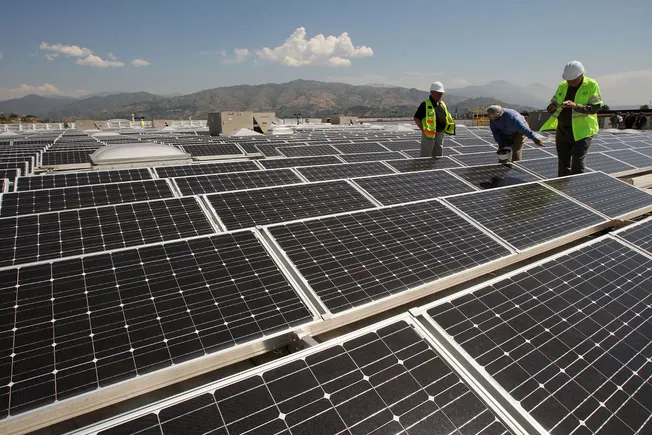
Wind power contributed 464,000 GWh to the 2025 total, a modest 3 percent increase over 2024. The more dramatic story was solar. Utility-scale solar generation reached 296,000 GWh — a 34 percent jump from the prior year and the latest in an unbroken streak of annual gains that extends back to 2006.
The solar surge reflects both the continued buildout of large-scale photovoltaic installations across the Sun Belt and the declining cost of panels, which has made utility-scale solar increasingly competitive with conventional generation on a levelized cost basis. States including Texas, California, and Florida have emerged as dominant solar generators, with significant capacity additions continuing in 2025.
Including small-scale solar installations — rooftop panels on homes and commercial buildings, which added another 93,000 GWh at an 11 percent year-over-year growth rate — the combined wind and solar share of total net US generation climbs to approximately 19 percent. This broader figure, which captures the full distributed solar picture, may be more representative of the technology's actual penetration across the electricity system.

Renewables at One Quarter of US Power
When all renewable sources are counted together — wind, solar, hydropower, biomass, and geothermal — they accounted for 25.7 percent of US electricity generation in 2025, up 9.6 percent year-over-year. That figure places renewables collectively ahead of nuclear power, which has historically provided roughly 19-20 percent of US electricity, and approaching coal's declining contribution.
Natural gas remains the dominant generation source, accounting for roughly 43 percent of US electricity in 2025. Coal, nuclear, and natural gas together still provided approximately 75 percent of utility-scale generation. The energy transition, while real and accelerating, has not yet displaced the fossil and nuclear baseload that keeps the grid stable during periods of low wind and solar output.
Grid Integration Challenges Persist
The record wind and solar share also sharpens longstanding questions about grid reliability. Both technologies are intermittent — output varies with weather conditions — and their rapid growth has outpaced investment in transmission infrastructure and grid-scale storage in many regions.
Extreme weather events continue to stress grid operators. The cold snap across the US Southwest in late 2025 illustrated the limits of weather-dependent generation during peak demand periods. Grid operators have responded by tightening capacity requirements and accelerating battery storage procurement, but the pace of storage buildout lags behind the renewable generation expansion.
The Federal Energy Regulatory Commission and regional grid operators have signaled that interconnection reforms — which have historically created multi-year backlogs for new generation projects — will be a priority in 2026. A faster interconnection queue could accelerate the renewable buildout further, but will require coordination between federal regulators, state utility commissions, and transmission owners.
The Path to 30 Percent and Beyond
The EIA projects that wind and solar will continue gaining share throughout the late 2020s, driven by the Inflation Reduction Act's production and investment tax credits, state renewable portfolio standards, and corporate clean energy procurement commitments from major technology companies expanding data center capacity.
Analysts tracking the sector estimate that reaching 30 percent wind and solar share — a threshold once considered aspirational for the 2030s — could arrive as early as 2028 if current buildout rates continue. Whether the grid infrastructure supporting that level of penetration can keep pace remains the central open question for American energy policy.
This article is based on reporting by Utility Dive. Read the original article.
Originally published on utilitydive.com