A Large New Polysilicon Hub Outside China
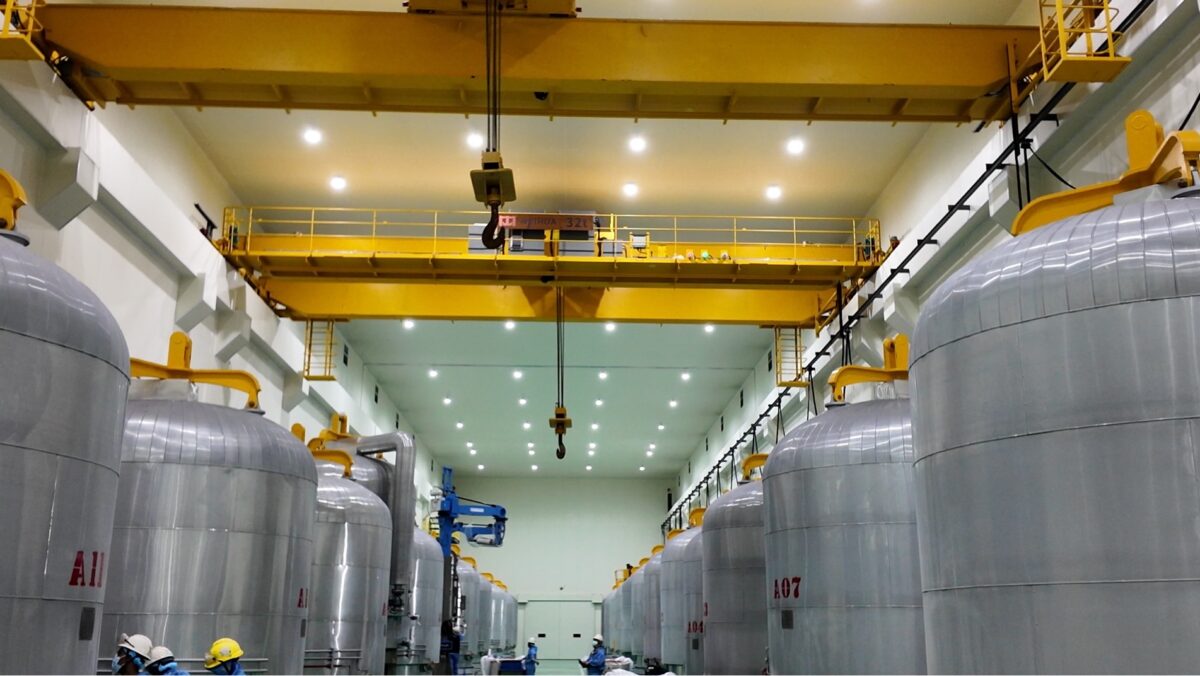
United Solar’s polysilicon facility in Oman has begun producing material and is aiming for full capacity by the end of 2026, according to pv magazine. The plant, located in Oman’s Sohar Port and Free Zone, is designed for 100,000 metric tons per year of solar-grade polysilicon, enough to support around 40 GW per year of photovoltaic module production.
That scale makes the project strategically significant. pv magazine reports that it is currently the largest facility of its kind outside China. In a solar industry heavily shaped by Chinese manufacturing capacity, a plant of this size in the Middle East adds geographic diversity to a critical upstream segment of the supply chain.
Why Polysilicon Matters
Polysilicon is an essential feedstock for most solar modules. Before solar panels appear as finished products on rooftops, utility-scale sites, or commercial buildings, the supply chain starts with refined silicon that can be processed into wafers, cells, and modules. Any bottleneck or concentration in polysilicon production can affect pricing, trade flows, and supply security throughout the solar market.
United Solar’s plant therefore matters not only as an industrial facility, but as a potential lever in global solar manufacturing. A 100,000 metric-ton annual capacity target is large enough to be relevant to module makers, developers, and policymakers looking for supply sources beyond established centers.

The Company Behind The Plant
pv magazine reports that United Solar Holdings, the parent company of United Solar Polysilicon, was established in 2023 by Longgen Zhang, formerly CEO of Chinese polysilicon producer Daqo New Energy. The company is headquartered in the Middle East and has moved quickly on the Oman factory.
The source says the plant produced its first polysilicon in early 2026 and has an official inauguration scheduled in April. United Solar Polysilicon chief financial officer Binyam Giorgis told pv magazine that the company believes it is the largest solar factory outside China and that it is designed to be best in class in efficiency.
Oman’s Industrial Position
The choice of Sohar Port and Free Zone is part of the story. Industrial solar manufacturing depends on logistics, energy, land, and export access. A port-linked free zone can offer advantages for moving inputs and outputs through global markets. For the Middle East, the project also aligns with broader efforts to expand clean-energy-related manufacturing rather than only exporting energy commodities.
The supplied text does not provide cost figures, power sourcing details, customer contracts, or emissions data. Those details will be important for evaluating how competitive and sustainable the plant ultimately becomes. Polysilicon manufacturing is energy-intensive, so the source of electricity and process efficiency will shape both economics and environmental profile.
Supply Chain Diversification
Solar deployment has become a central component of global energy planning, but manufacturing concentration remains a concern for many governments and companies. A major polysilicon plant outside China could provide buyers with additional sourcing options, though it does not by itself create a fully diversified solar supply chain. Wafers, cells, modules, glass, inverters, and other components also matter.
Still, upstream capacity is a foundational piece. If Oman can support large-scale polysilicon output, it may attract related manufacturing or long-term supply agreements. The result could be a more distributed solar industrial map, especially if other regions follow with complementary investments.
What To Watch In 2026
The key milestone is whether United Solar can reach full capacity by the end of the year, as pv magazine reports it aims to do. Ramping a large polysilicon facility is technically and operationally demanding. Output quality, yield, reliability, energy cost, and customer qualification will determine whether nominal capacity turns into market influence.
The plant’s first production is a meaningful step, but the bigger test is sustained operation. If successful, United Solar’s Oman facility could become one of the most important non-Chinese nodes in the solar manufacturing chain. In an industry defined by scale, cost, and supply confidence, that would be a meaningful shift.
This article is based on reporting by PV Magazine. Read the original article.
Originally published on pv-magazine.com