A New England transmission dispute lands at FERC
A fight over how utilities classify grid projects is moving into sharper focus in New England. Ratepayer advocates from five states have asked the Federal Energy Regulatory Commission to examine whether Eversource improperly labeled a roughly $385 million transmission effort in northern New Hampshire as an asset management project, a designation that can face less scrutiny than other kinds of grid investments.
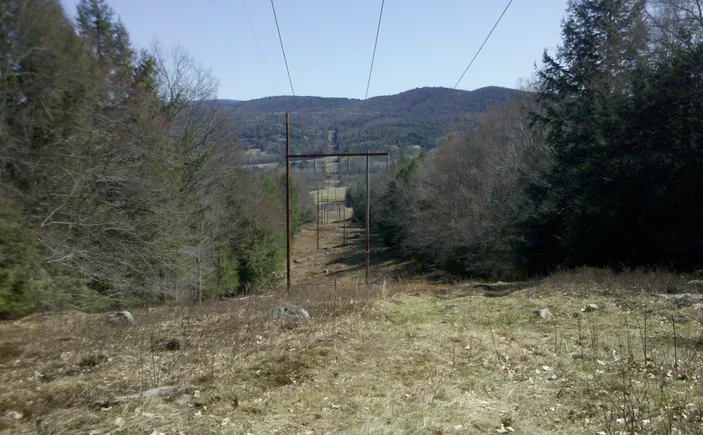
At the center of the complaint is Eversource’s X-178 project, a 49-mile, 115-kV line upgrade. The advocates argue that the work does not fit the narrow purpose of ISO New England’s asset condition management rules, which they say are intended for facilities that have been damaged or destroyed and are only supposed to be restored to substantially the same condition, character, or use.
Eversource rejects that reading. The company says the complaint relies on outdated information and misreads ISO-NE rules, and it plans to make that case in its response at FERC.
Why the classification matters
The dispute is about more than labels. In New England, asset management projects are generally proposed by utilities to replace aging infrastructure. According to the complaint, those projects are reviewed by an advisory committee but receive little to no scrutiny over their costs and underlying drivers. That makes the category especially sensitive at a time when electricity affordability is a growing public concern.
Ratepayer advocates say that dynamic can leave customers exposed. If a project with a large price tag is routed through a lower-scrutiny process, they argue, regulators and the public may lose a meaningful chance to test whether the investment is necessary, whether its scope is justified, and whether lower-cost alternatives exist.
The complaint connects the X-178 dispute to this larger policy problem: how to ensure reliability and infrastructure renewal without allowing cost inflation or weak oversight to become embedded in customer bills.

The case against X-178
The filing points to a February 2024 Eversource presentation cited by the advocates. According to the complaint, fewer than 10 percent of the line’s 594 structures showed anything beyond minimal defects. That figure is central to the challengers’ argument. If most of the system is not in severe condition, they contend, then a broad rebuild begins to look less like repair of damaged facilities and more like a capital upgrade that should go through tougher review.
The advocates’ position is not simply that utilities should never replace aging equipment. It is that the regulatory pathway should match the actual nature of the project. In their telling, X-178 crosses that line.
They also frame the case as a precedent-setting one. If a large and expensive project can proceed under a category designed for more limited restoration work, then similar future projects could follow the same path. That could make it harder for consumer advocates to challenge costs before they are passed through to ratepayers.
Eversource’s response and the broader stakes
Eversource has not conceded the complaint’s framing. Its public response indicates that the company believes the challengers are relying on stale project information and misunderstanding ISO-NE’s rules for asset management projects. That suggests the utility will likely argue that the project’s condition basis, scope, or planning justification has evolved beyond what critics are describing.
Even so, the case highlights a structural tension running through US grid policy. Utilities face pressure to modernize aging assets and maintain reliability. Customers and watchdogs, meanwhile, are increasingly focused on whether grid spending is being sufficiently tested for necessity and value.
Transmission spending often occupies a difficult middle ground in that debate. The assets are long-lived and reliability-critical, but they are also expensive, technically complex, and not always easy for outside parties to evaluate. That makes classification rules especially important. They determine not only how projects are described, but also how deeply they are examined.

A regulatory test for affordability and trust
The timing of the complaint matters. Across the United States, regulators and consumer groups are paying closer attention to the effect of utility capital plans on monthly bills. In that environment, even a single project can become a proxy for a much bigger question: whether current planning and review frameworks give utilities too much discretion over local transmission investments.
For New England, the X-178 case could become a test of how far FERC is willing to probe utility project classifications when consumer advocates allege a mismatch between rules and reality. If the commission takes the complaint seriously, it may sharpen expectations for what qualifies as asset management work. If it does not, critics may argue that the region’s review system still leaves too much room for expensive projects to advance without robust challenge.
Either way, the complaint underscores how transmission policy is increasingly inseparable from affordability politics. Reliability remains the formal rationale, but the practical question facing regulators is whether the procedures used to protect the grid are also protecting customers.
- The complaint was filed by ratepayer advocates from five New England states.
- The disputed Eversource project is valued at roughly $385 million.
- The case turns on whether the work fits ISO New England’s asset condition management rules.
- Eversource says the complaint relies on outdated information and misreads those rules.
This article is based on reporting by Utility Dive. Read the original article.
Originally published on utilitydive.com




