A fight over emissions rules is becoming a fight over energy dependence
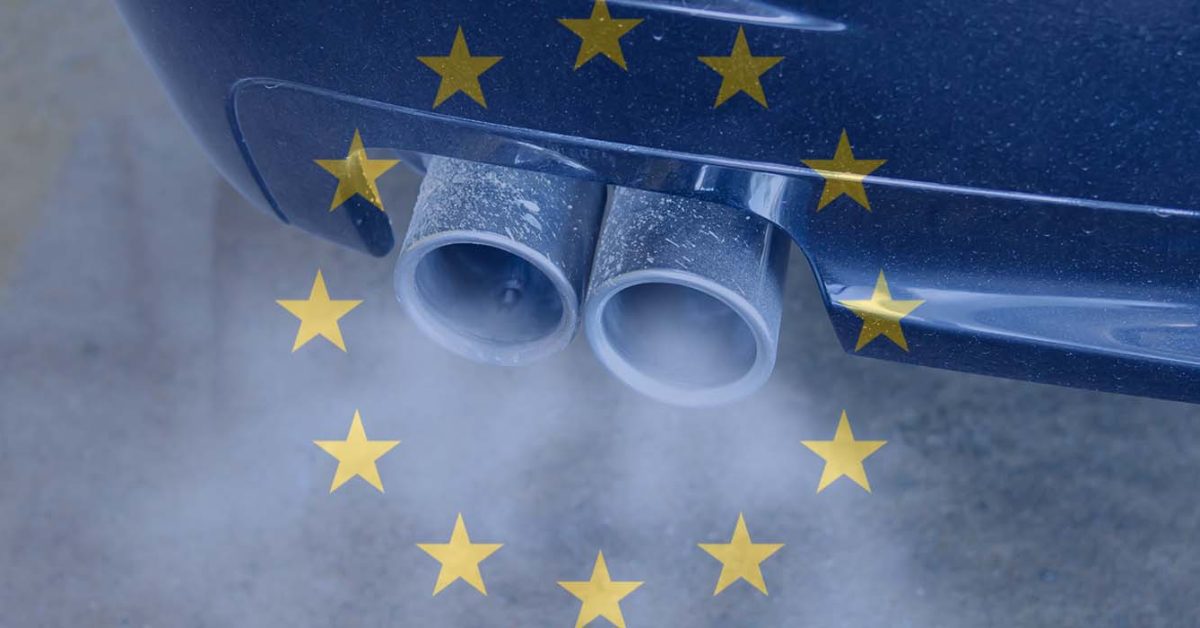
A leaked position paper from the European car lobby group ACEA is intensifying debate over the future of the EU’s vehicle emissions targets. According to analysis by Transport & Environment, ACEA’s latest demands for weaker climate rules could lead to an additional €74 billion in oil imports while slowing the rollout of more affordable electric vehicles across Europe.
The argument lands at a sensitive moment. Fuel prices remain politically painful, Europe continues to think in strategic terms about dependency on imported energy, and the auto sector is trying to balance industrial competitiveness with the transition to electrification. Against that backdrop, any change to vehicle CO2 rules is no longer just a regulatory detail. It has become part of a much larger contest over energy security, industrial strategy, and consumer cost.
The leaked document was reportedly issued by ACEA to environment ministers in March. T&E says the proposal would significantly weaken the current direction of EU policy by allowing more flexibility for carmakers to sell internal combustion vehicles for longer and by preserving a bigger role for plug-in hybrids.
The core proposal would relax pressure on carmakers
One of the main changes described in the source material is a proposal to average carmakers’ 2030 EU CO2 targets over five years rather than three. T&E characterizes that as a significant weakening compared with the European Commission’s proposal. The paper also calls for cancellation of a new utility factor designed to count plug-in hybrid vehicle emissions more accurately.
These are technical policy levers, but their impact could be substantial. T&E argues that accepting ACEA’s demands would allow manufacturers to sell far fewer battery electric vehicles and far more combustion-engine cars than under the current framework. Its analysis says battery electric vehicle sales could flatline at around 21 percent market share for the rest of the decade, instead of rising to the 57 percent share that current law would require by 2030.
If that scenario holds, the policy dispute is not merely about compliance timing. It is about whether the EU keeps applying enough pressure to force a meaningful shift in the mix of vehicles sold in the market. A five-year averaging window would give automakers more room to delay, smooth, or defer the transition.
Plug-in hybrids and 2035 targets are also in the crosshairs
The source text says the German government adopted ACEA’s position on prolonging sales of plug-in hybrid vehicles, a move T&E says would slow the transition to fully electric cars and widen Europe’s gap with China. That claim reflects a broader split in Europe’s auto policy debate. Some governments and industry groups want more transitional flexibility, while critics argue that too much accommodation simply postpones investment in fully electric platforms.
The dispute extends beyond 2030. T&E says ACEA is also pushing to weaken the EU’s 2035 target. The organization notes that the Commission had already proposed moving from a 100 percent reduction in CO2 to a 90 percent reduction by that date. ACEA, according to the analysis, wants the target weakened further to 80 percent by awarding credits to carmakers without conditions and additional credits tied to lower-emitting fuels and low-carbon materials.
T&E calculates that these changes could leave battery electric vehicles at 52 percent of the market in 2035 rather than 100 percent. In other words, the debate is not just about a slower transition this decade. It is about whether Europe ends the next decade with a market still dominated by a large share of non-electric sales.
The economic and political stakes go beyond climate targets
T&E’s case against the proposal is framed in economic and geopolitical terms as much as environmental ones. The group argues that weaker targets would deprive motorists of more affordable EV models and deepen Europe’s oil dependency just when many drivers are already paying high prices at the pump. It also casts the proposed delay as a competitiveness risk, arguing that slowing electrification could widen the gap between Europe and China.
That framing is politically sharp because it turns a common industry argument on its head. Automakers often say tougher rules threaten affordability and competitiveness. T&E is arguing the reverse: that delaying electrification is what will ultimately cost consumers more and leave Europe worse positioned industrially.
The source includes a direct warning from T&E vehicles policy manager Émilie Casteignau Bernardini, who says carmakers are fueling Europe’s oil dependency while delaying the supply of affordable EVs that consumers want. The statement underscores how quickly the conversation around transport policy has shifted. Vehicle emissions rules are no longer being sold only as climate instruments. They are increasingly being defended as tools for lowering long-run consumer exposure to fossil fuel costs.
A regulatory battle with large consequences
The leaked ACEA document does not itself settle policy, but it reveals where one powerful section of the industry wants the EU to go: more flexibility, a longer runway for combustion and hybrid sales, and less aggressive pressure to electrify on the current timetable. T&E’s analysis shows why critics see that path as expensive and strategically short-sighted.
The significance of the dispute lies in the scale of what is being decided. A shift in the design of EU CO2 rules would shape what kinds of vehicles get built, marketed, and made affordable throughout the bloc. It would also influence how much oil Europe keeps importing and how fast automakers are forced to compete in the global EV race.
That is why this is more than a lobbying story. It is a struggle over what Europe believes transport transition is for: simply reducing emissions, or also cutting fuel dependence, protecting households from oil price shocks, and forcing industrial adaptation before overseas competitors pull further ahead. The answer will help determine not just the pace of Europe’s electric future, but its cost.
This article is based on reporting by CleanTechnica. Read the original article.
Originally published on cleantechnica.com