Circle K bets that charging works best where drivers already stop
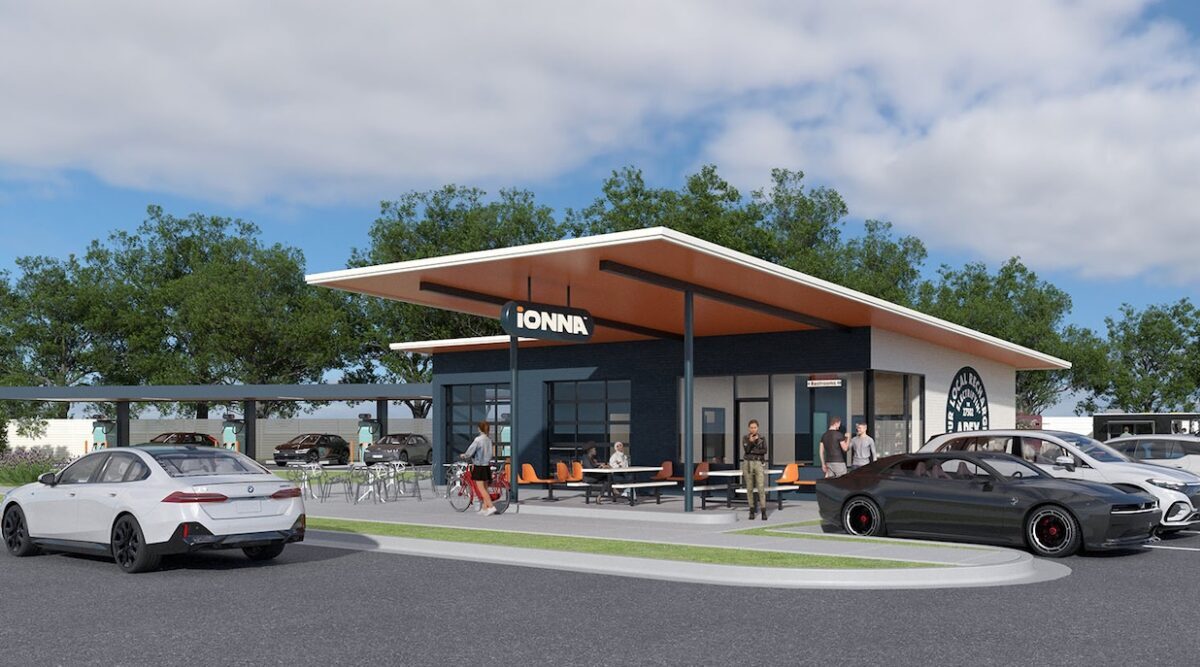
Circle K and EV charging network IONNA are expanding their partnership with a plan to add 265 new fast-charging stations at Circle K locations in the United States and upgrade chargers at 85 existing stores. The move pushes one of the country’s largest convenience chains deeper into the business of electric mobility, while giving IONNA a broad retail footprint in places drivers already recognize.
The announcement matters because it does not treat charging as a separate destination. Instead, it continues a retail-led model in which charging is paired with food, drinks, bathrooms and other short-stop services. That approach has become more common as public charging networks look for sites that can serve both practical needs and high traffic volume.
Circle K described the partnership as part of its effort to make EV charging easier and more convenient for customers. In practical terms, that means more high-power chargers in locations where drivers can plug in and spend the wait time on something else. For retailers, the appeal is obvious: charging keeps people on-site longer and can turn a fueling stop into a broader shopping visit.
IONNA scales with automaker backing
IONNA is backed by a group of major automakers that includes Toyota, BMW, General Motors, Hyundai, Kia and Honda. That backing has made it one of the more closely watched newer charging networks in the U.S., especially as automakers and charging providers try to close gaps in reliability, convenience and geographic coverage.
According to the source material, IONNA now has nearly 1,000 charging bays across the U.S. and more than 100 operating sites. It also says more than 4,700 bays have been contracted nationwide, with nearly 1,500 already in construction or beyond. If those figures continue to move upward, the Circle K rollout will be part of a much larger buildout rather than a one-off retail partnership.
IONNA charging hubs typically include both NACS and CCS connectors, which helps the network serve a wider range of vehicles during the long transition period in U.S. charging standards. That dual-connector strategy may be less flashy than a headline about peak charging speed, but it addresses a more basic issue: whether drivers can show up and connect without friction.
Why retailers keep becoming charging hosts
The Circle K plan also fits a broader pattern. The source text notes that retailers and travel-stop operators including Walmart, Sheetz, Love’s, Casey’s, Wawa, Shoprite and Kroger have been adding public EV charging. That trend suggests the market is moving beyond early-adopter charging hubs toward a more mainstream retail and roadside network.
For the charging industry, retail sites solve several problems at once. They often have established access roads, lighting, parking, staff and amenities. They are also distributed across suburban and highway corridors in ways that can complement dedicated charging plazas. For drivers, they reduce the sense that charging requires a special trip.
This shift matters because public charging still has a confidence problem as much as a hardware problem. Range anxiety is not only about battery size. It is also about whether drivers believe they will find working chargers in convenient places. Installing more chargers at mainstream retail destinations addresses that psychological barrier as much as the physical one.
The Circle K partnership is therefore significant not just for the number of stations announced, but for what it says about the next phase of EV infrastructure. The business case increasingly depends on embedding chargers into ordinary commercial settings rather than treating them as standalone assets.
A different kind of fuel stop
Convenience stores have long been shaped around gasoline traffic, quick purchases and highly standardized roadside experiences. EV charging changes the timing of that visit. Instead of a few minutes at the pump, drivers may stay long enough to buy food, browse or use services they might otherwise skip. That can alter store economics in ways that make charging more attractive to site hosts.
The source article points out another factor: EV drivers who arrive only intending to charge may still shop while they wait. That is a simple point, but it captures why the convenience-store model is such a natural fit. Public charging does not have to be monetized only through electricity sales if it also supports retail revenue.
At the same time, the expansion underscores how much infrastructure work remains. Even with thousands of bays in planning or construction, the network effect only emerges when drivers believe coverage is dense enough to rely on. Announcements like this one help because they add predictability. Circle K stores are not obscure industrial sites; they are part of a national roadside routine.
What this signals for the EV market
The deeper signal is that EV charging is becoming less exceptional. As more retailers integrate fast charging into their standard site strategy, the infrastructure starts to resemble a normal part of the travel economy rather than an experimental overlay. That does not eliminate reliability, pricing or maintenance challenges, but it does make the ecosystem easier for mainstream drivers to understand.
If IONNA continues building at the pace described in the source material, and if Circle K can convert its physical footprint into dependable charging stops, the partnership could help normalize one of the most important habits in EV adoption: charging while doing something else. That is a different consumer behavior from the gas-station model, and it is one the industry has been trying to make feel ordinary.
For now, the headline numbers are straightforward: 265 new fast-charging sites, 85 upgraded locations and a large convenience-store chain committing more space to EV drivers. But the broader meaning is that the public charging race is increasingly being won or lost in familiar commercial places, not just in specialized infrastructure projects.
This article is based on reporting by CleanTechnica. Read the original article.
Originally published on cleantechnica.com




