Beyond the Battery Fire
Battery energy storage systems caught fire in the public imagination as they scaled across the electrical grid. Thermal runaway events became the dominant narrative of BESS risk in media coverage and early insurance underwriting. That narrative is no longer complete.
According to Michael Carrington, an underwriter at Tokio Marine GX, a specialist renewables insurer, the industry has quietly shifted its primary risk concerns to a different set of problems: vulnerable high-voltage transformers, supply chain gaps, and the consequences of integrating rapidly evolving battery technology with electrical infrastructure that is evolving more slowly.
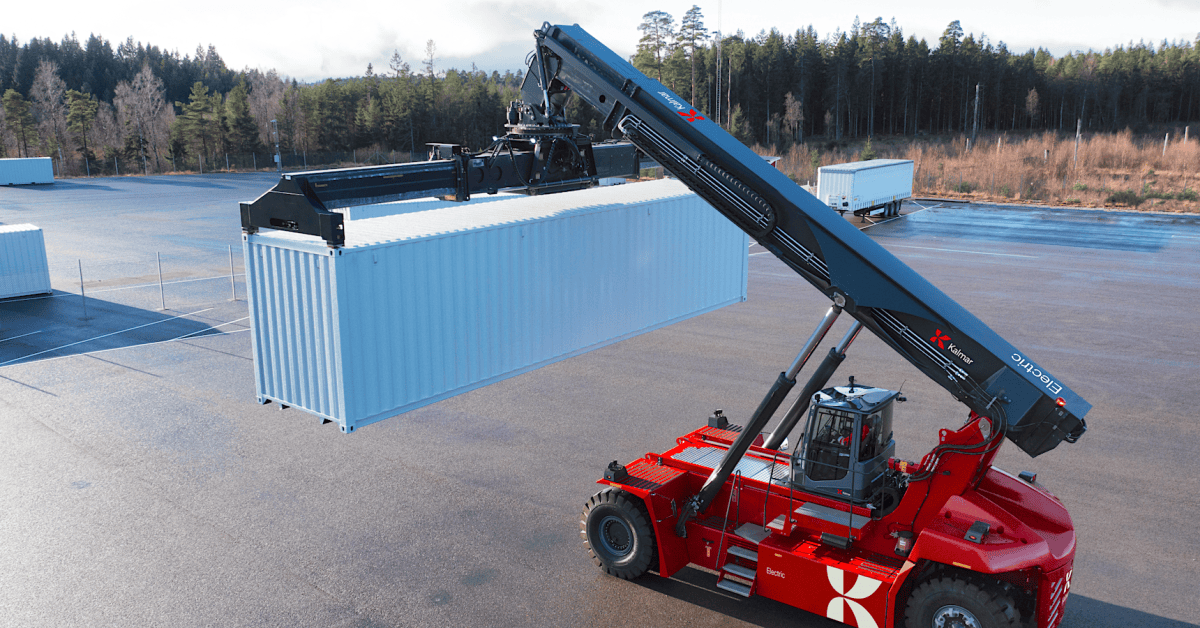
"The launch of the very first Megapack in 2019 was a 3 MWh enclosure," Carrington told ESS News. "Moving to the last year, high-end products such as BYD's HaoHan are touching 14.5 MWh. In that very short timeframe, we've seen almost a 500% increase in megawatt-hours per enclosure." The rapid scaling has outpaced the historical loss data that actuaries need to set accurate premiums and the experience base that contractors need to safely execute complex installations.
The Transformer Problem
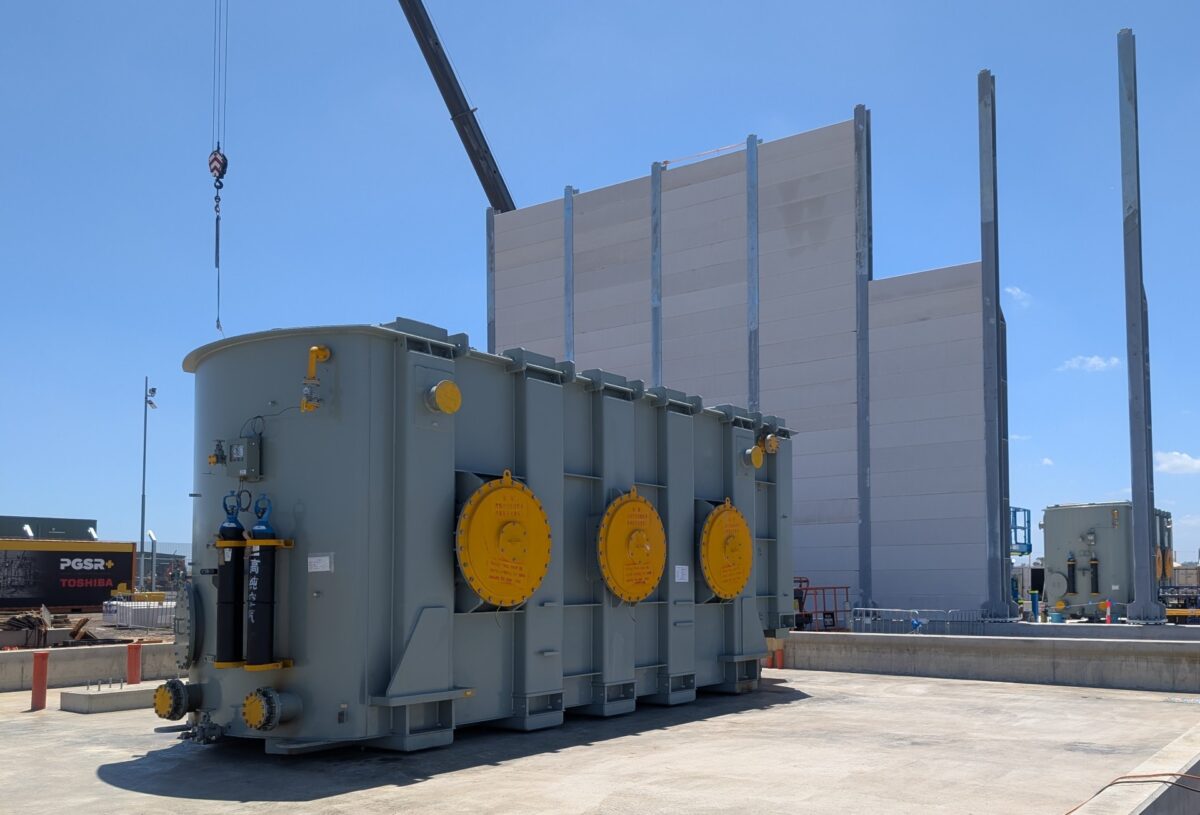
High-voltage transformers are the critical interface between a BESS and the transmission grid. They step up the battery bank's low DC voltage to the high AC voltages required for grid connection and manage the electrical interface under rapid charge and discharge cycling that conventional grid assets were not designed to experience.
Transformer failures tend to be sudden, severe, and accompanied by fire or explosion — unlike battery modules, which fail through gradual degradation. Supply chain problems have made replacement a major concern: lead times for large power transformers have extended to two years or more in many markets, driven by competing demand from the renewable energy sector, grid hardening programs, and data center buildouts. A BESS project that loses a transformer faces months of lost revenue during replacement procurement.

Contractor Integration Errors
The 500 percent capacity growth in five years has created a capability gap between the technology and the workforce installing it. Balance-of-plant engineering for a modern gigawatt-scale BESS requires expertise in high-voltage electrical systems, thermal management, communication and control systems, grid interconnection, and the specific characteristics of whichever battery design the project uses.
The pool of engineers with genuine expertise across all these domains has not grown proportionally. Projects are being bid and won by contractors with relevant experience in some but not all required disciplines, and integration errors — incorrect wiring, misconfigured protection relays, incompatible control system settings — can create safety hazards and performance shortfalls that are difficult and expensive to diagnose after the fact.
What Insurers Are Doing About It
TMGX and other specialist BESS insurers are responding by requiring more detailed pre-underwriting technical reviews including factory acceptance testing documentation, commissioning protocols, and independent engineering reviews. Premium structures are increasingly differentiated by contractor experience and by the maturity of the specific battery product — a project using well-characterized technology with an established loss history will pay meaningfully lower premiums than one using a new product without a track record.
This article is based on reporting by PV Magazine. Read the original article.
Originally published on pv-magazine.com