A large utility procurement with long-term strategic weight
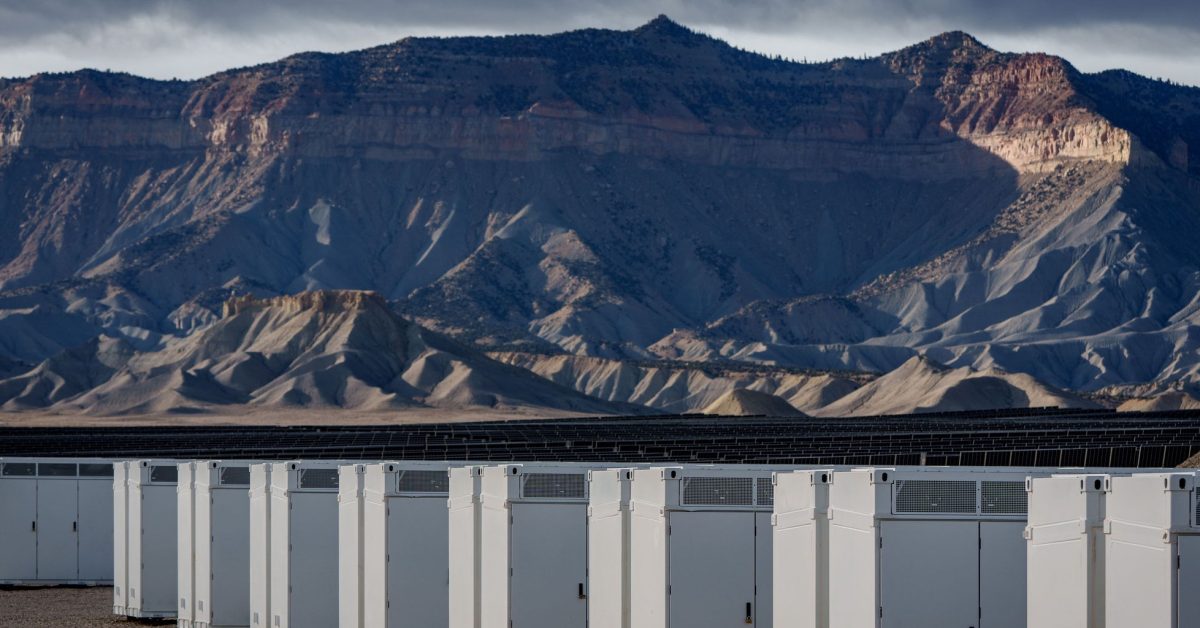
Salt River Project has signed a power purchase agreement with NextEra Energy Resources for 3,000 megawatts of solar generation and 1,000 megawatts of battery storage to be built in Arizona through 2027. In raw scale alone, the deal stands out. Together, the projects amount to 4 gigawatts of new capacity, making the procurement one of the more consequential utility clean-energy buildouts currently described in the U.S. market.
PV Magazine reported that the agreement forms part of Salt River Project’s strategy to retire coal generation by 2032. That link is what turns the deal from a large renewable purchase into a broader transition signal. The utility is not simply adding intermittent generation; it is pairing solar with storage in a way intended to support a deeper shift in its generation mix.
Why the storage component matters
The battery portion of the agreement is especially important. Arizona’s solar resource is strongest during daylight hours, but electricity demand often remains high into the evening, particularly during extreme heat. According to the report, the 1 gigawatt of battery storage is intended to manage the period when solar output falls while residential demand rises. In other words, the batteries are there to move daytime solar energy into later hours when the grid still needs support.
That matters for reliability. A solar buildout without corresponding storage can add large volumes of low-cost clean generation while still leaving utilities exposed during late-day demand peaks. By explicitly pairing the two, Salt River Project is trying to reduce reliance on natural gas plants in the evening while preserving system stability during heat events. In a state where summer reliability is not an abstract issue, that is a strategic choice rather than a cosmetic one.

Coal retirement is shaping the investment case
The deal is also a clear example of how utility procurement is being shaped by planned coal retirements. As older coal assets move toward closure, utilities need replacement capacity that can satisfy both energy and reliability requirements. The Salt River Project agreement suggests that large-scale solar plus storage is now central to that replacement logic in the Southwest.
PV Magazine said the new capacity is expected to provide electricity for 675,000 homes during peak production. That figure offers a useful sense of scale, even if household consumption patterns vary. It indicates that the procurement is not a marginal addition but a major block of supply with the potential to materially reshape the utility’s portfolio over the next few years.
Designed for Arizona conditions
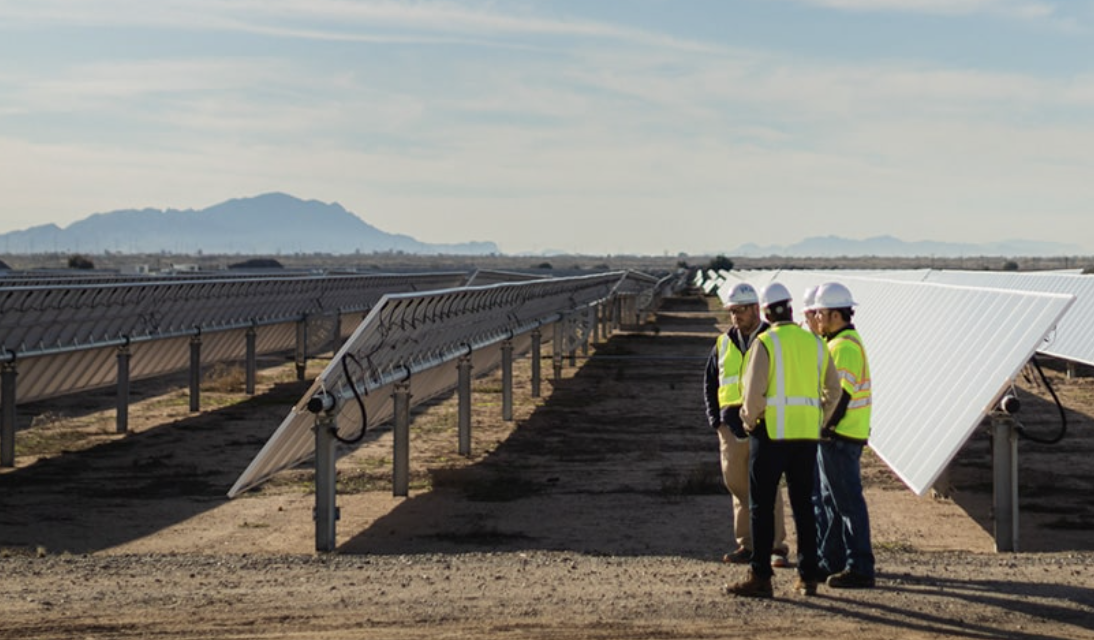
The projects will be spread across several facilities in Arizona and are expected to use bifacial modules and tracking systems. Those details matter because they point to an effort to optimize generation in the state’s high-sun environment. Bifacial modules can capture additional reflected light, while tracking systems help panels follow the sun across the day, increasing total output compared with fixed-tilt systems.
Utilities and developers increasingly treat these design choices as standard tools for squeezing more performance out of large installations, but they remain important in explaining why utility-scale solar continues to gain ground. Incremental improvements in production profile, paired with falling costs and storage integration, make renewable projects more competitive not only on headline capacity but on their practical value to the grid.
Local economic effects are part of the package
The report also noted that Salt River Project expects the projects to generate tax revenue for local jurisdictions and create construction jobs. Those claims are common in utility-scale energy announcements, but they are not trivial. Large projects succeed politically and commercially more easily when they bring visible local benefits alongside system-level goals such as emissions reduction or fuel diversification.
For Arizona, which continues to attract population growth and faces persistent pressure on infrastructure during hot-weather demand peaks, the combination of added generation, storage capacity, and local investment gives the agreement a wider policy relevance. It becomes part of a bigger story about how fast-growing regions manage load growth, resource adequacy, and the retirement of older fossil assets.
A marker for the utility sector
The Salt River Project-NextEra agreement also says something about the direction of the broader utility market. Utilities are no longer only experimenting with solar-plus-storage portfolios at the edge of their systems. They are increasingly using them as major building blocks in capacity planning. A 4-gigawatt procurement tied to coal retirement is evidence of that shift.
There are still open questions that the supplied report does not answer, including the exact project breakdown, delivery schedule by site, and contract economics. But the central strategic pattern is visible. The utility is procuring renewable energy at very large scale, combining it with dispatchable battery support, and using that package to help close the gap left by future coal retirements.

The significance of the deal
Energy transitions are often discussed in broad percentages and long-dated targets. This agreement is more concrete. It sets out a defined volume of solar, a defined volume of storage, a state-level buildout schedule through 2027, and a direct connection to coal retirement by 2032. That combination gives the announcement practical weight.
If completed as planned, the deal will add a substantial amount of clean generation to Arizona’s grid and reinforce a model that other utilities are already moving toward: large solar fleets paired with battery systems that extend their usefulness into the hours that matter most for reliability. In that sense, the agreement is not just a procurement story. It is a snapshot of how utility decarbonization is increasingly being engineered in the real world.
This article is based on reporting by PV Magazine. Read the original article.
Originally published on pv-magazine.com