The Solar System may be less thoroughly checked than people assume
Seit Jahrzehnten konzentriert sich die Suche nach außerirdischer Intelligenz vor allem auf Signale: Radiosendungen, optische Lichtblitze und andere Hinweise darauf, dass eine ferne Zivilisation sich absichtlich oder unabsichtlich zu erkennen geben könnte. Eine neue Studie greift eine konkretere Möglichkeit auf. Was, wenn sich Belege gar nicht weit entfernt, sondern physisch irgendwo im Sonnensystem befinden?
In einem kürzlich in den Proceedings des IAU Centenary Symposium veröffentlichten Papier argumentiert der Astronom T. Joseph W. Lazio, dass die Menschheit noch lange nicht in der Lage ist, die Idee zu widerlegen, dass heute ein oder mehrere physische außerirdische Technosignaturen im Sonnensystem vorhanden sein könnten. Die Behauptung ist nicht, dass außerirdische Sonden nachweislich existieren. Sondern dass unsere Fähigkeit, sie auszuschließen, weiterhin schwach ist.
Why the idea is less far-fetched than it sounds
Die Logik beginnt mit unserem eigenen Verhalten. Die Menschheit hat bereits fünf Robotersonden auf Fluchtbahnen aus dem Sonnensystem gestartet: Pioneer 10, Pioneer 11, Voyager 1, Voyager 2 und New Horizons. Keine von ihnen wird als funktionsfähiger Explorer ein anderes Planetensystem erreichen, aber sie zeigen das Prinzip, dass eine technologische Zivilisation Artefakte in den interstellaren Raum schicken kann.
Wenn das eine Zivilisation kann, fragt die Studie, warum sollte man annehmen, dass nie eine andere das getan hat? Diese Frage beweist für sich genommen nichts, macht physische Artefakte aber zu einem legitimen Ziel wissenschaftlicher Prüfung statt bloßer Science-Fiction-Spekulation.

Four ways an artifact might exist
Lazio ordnet das Thema mit einem Rahmen, der mögliche Technosignaturen nach Ort und danach sortiert, ob sie aktiv oder passiv sind. Daraus ergeben sich vier grobe Kategorien: passive Sonden, die durch das Sonnensystem treiben, aktive Sonden, die im All noch funktionieren, passive Oberflächenartefakte, die auf einem Mond oder Planeten inert liegen, und aktive Oberflächenartefakte, die auf einem Planeten oder Asteroiden weiterarbeiten.
Die Stärke dieses Rahmens liegt darin, eine vage Idee prinzipiell testbar zu machen. Unterschiedliche Artefaktarten erfordern unterschiedliche Suchstrategien. Eine tote Sonde, die durch das Sonnensystem driftet, stellt ein anderes Suchproblem dar als eine funktionierende Maschine auf einer Planetenoberfläche.
The real limit is detection capability
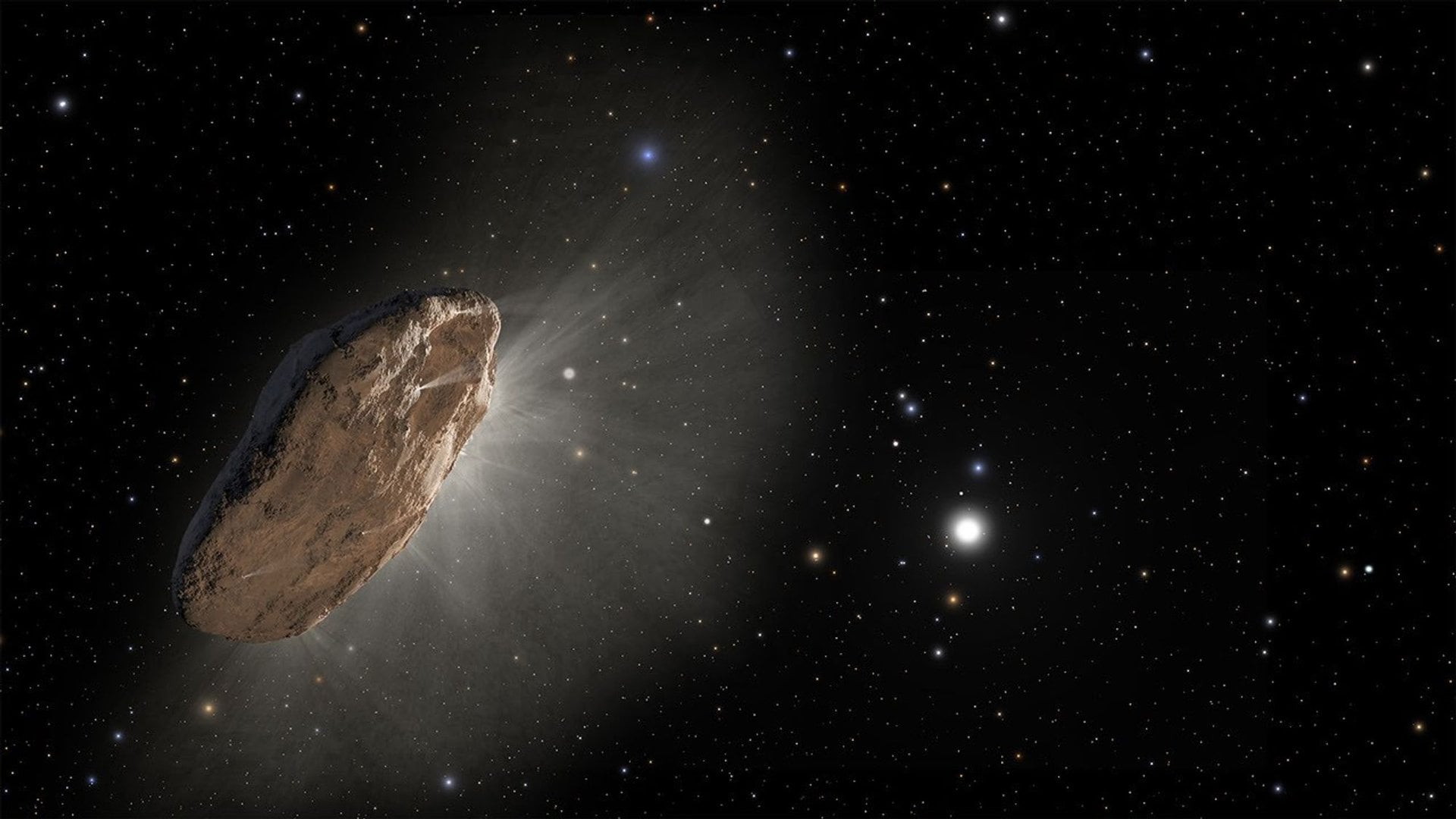
Die zentrale Schlussfolgerung des Papiers ist eindeutig: Mit der heutigen Technologie ist die Menschheit nicht einmal nahe daran, all diese Möglichkeiten auszuschließen. In manchen Fällen hätten wir vielleicht eine gute Chance, eine tote interstellare Sonde zu bemerken, wenn sie so durch den Raum flöge, dass sie beobachtbar wäre. Selbst dann bleibt es schwierig, ein künstliches Objekt von einem natürlichen zu unterscheiden.
Die Studie weist auf die wiederkehrende Neigung hin, ungewöhnliche Besucher als mögliche außerirdische Fahrzeuge zu deuten. Interstellare Objekte wie 3I/ATLAS ziehen schnell Spekulationen an. Das Problem ist jedoch nicht nur die Aufregung, sondern die Mehrdeutigkeit. Ohne deutlich bessere Detektions- und Charakterisierungstools kann ein Objekt mit seltsamer Bewegung oder Erscheinung schwer sicher eingeordnet werden.
Das Beispiel von 2020 SO veranschaulicht den Punkt. Das Objekt erregte Aufmerksamkeit, weil es einer ungewöhnlichen Bahn folgte, wurde aber letztlich als menschengemacht und nicht als außerirdisch identifiziert. Solche Fälle zeigen sowohl, warum Menschen vorschnell Schlüsse ziehen, als auch, warum eine sorgfältige Identifizierung so schwierig ist.

What the paper contributes
Die Studie liefert keine Belege für außerirdische Technologie im Sonnensystem. Ihr Beitrag ist methodischer und erkenntnistheoretischer Natur. Sie argumentiert, dass die Hypothese im Prinzip weiterhin falsifizierbar ist, die heutigen Beobachtungssysteme aber bei weitem nicht umfassend genug sind, um sie in der Praxis zu falsifizieren.
Das ist ein nützlicher Unterschied in einem Feld, das oft zwischen Überconfidence und Sensationslust hin- und hergerissen ist. Das Papier behauptet weder eine Entdeckung noch tut es die Frage als unseriös ab. Stattdessen fragt es, welcher Suchaufwand erforderlich wäre, bevor die Menschheit verantwortungsvoll sagen könnte, dass sie gründlich genug gesucht hat, um die Idee auszuschließen.
Im Moment scheint die Antwort zu sein: bei weitem nicht genug. Für eine Spezies, die erst vor Kurzem damit begonnen hat, eigene Artefakte in den Tiefraum zu senden, ist das vielleicht die nüchternste Schlussfolgerung überhaupt.
Dieser Artikel basiert auf einer Berichterstattung von Universe Today. Originalartikel lesen.
Originally published on universetoday.com