Jahrzehnte der Suche in einer Ecke des Spektrums
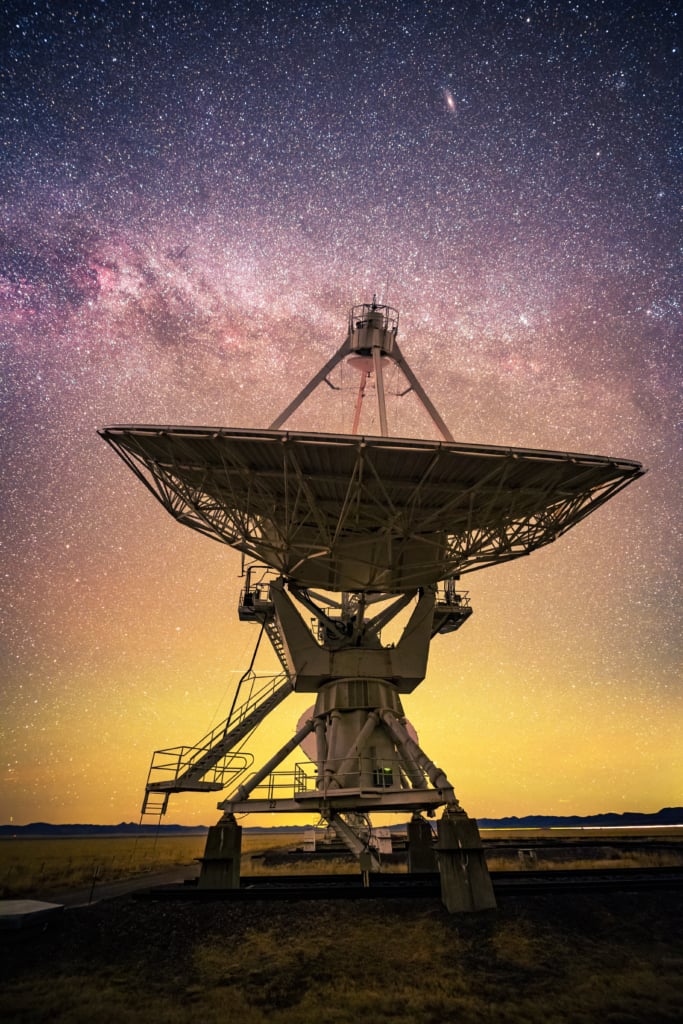
Die Suche nach außerirdischer Intelligenz wurde seit Frank Drake 1960 ein Radioteleskop auf nahe gelegene Sterne richtete, großenteils im Radio- und Mikrowellenbereich des elektromagnetischen Spektrums durchgeführt. Die Logik hinter diesem Fokus war schon immer intuitiv: Radiowellen breiten sich effizient durch den interstellaren Raum aus, erfordern relativ bescheidene technologische Infrastruktur zur Erzeugung und zum Nachweis und liegen in einem Frequenzband, das Physiker als besonders ruhig aus der Perspektive natürlicher Geräusche identifiziert haben.
Ein neues Papier stellt nun in Frage, ob sich dieses Jahrzehnte lange Engagement für eine schmale Scheibe des elektromagnetischen Spektrums als wissenschaftliche Weisheit oder kognitives Ankern darstellt - die Neigung, weiter dort zu suchen, wo wir bereits gesucht haben, anstatt die Suche dorthin auszudehnen, wo Signale tatsächlich vorhanden sein könnten. Das Papier argumentiert, dass konventionelles SETI einer großen Neuausrichtung bedarf und seine Suche auf das gesamte elektromagnetische Spektrum und darüber hinaus ausdehnt.
Der Fall gegen Radio-Zentralismus
Das Kernargument des Papiers basiert auf einer einfachen empirischen Beobachtung: Trotz mehr als sechs Jahrzehnte systematischer Radiosuche wurde kein bestätigtes Signal außerirdischen technologischen Ursprungs entdeckt. Project SETI@home verarbeitete das Äquivalent von Millionen Stunden Rechenzeit bei der Analyse von Radioteleskop-Daten von Arecibo und anderen Einrichtungen, ohne ein anhaltendes, wiederholendes, eindeutiges Signal zu finden. Die Breakthrough Listen-Initiative, die die empfindlichste und umfassendste Radiosuche der Geschichte durchgeführt hat, ist ähnlich leer ausgegangen.
Dies ist nicht unbedingt ein Beweis dafür, dass intelligentes Leben nicht existiert. Es kann stattdessen einen Auswahlbias in der Suchmethodik widerspiegeln: Wir suchen in dem Spektrum, in dem unsere eigene Zivilisation kommuniziert, aber es gibt keinen zwingenden Grund anzunehmen, dass andere Zivilisationen auf verschiedenen technologischen Stufen die gleichen Frequenzen bevorzugen würden. Eine Zivilisation, die die optische Kommunikation vor dem Radio entwickelt hätte, könnte möglicherweise nie durch ein Rundfunkstadium gegangen sein.

Was eine breitere Suche würde enthalten
Das Papier schlägt vor, SETI-Suchen auf optische und nahinfrarote Wellenlängen auszudehnen - wo Laser-Kommunikation hochwertige Signale über interstellare Entfernungen übertragen könnte - sowie auf Gamma- und Röntgenfrequenzen, bei denen hochenergetische astrophysikalische Prozesse absichtlich oder versehentlich für interstellare Kommunikation genutzt werden könnten. Es erörtert auch die Möglichkeit von Technologie-Signaturen, die sich nicht als beabsichtigte Kommunikation manifestieren, sondern als unbeabsichtigte Nebenprodukte fortgeschrittener technologischer Aktivität: Industrielle Verschmutzung der Planetatmosphäre, künstliche Abwärmestrahlung im Infrarot oder Megastruktur-Signaturen in Sternlichtkurven.
Optisches SETI, das nach intensiven Laserpulsen statt Funksignalen sucht, ist als Gebiet gewachsen, bleibt aber weit weniger finanziert als Radio-SETI. Jüngste Fortschritte in Photonenzähldetektoren und Weitfeld-Optikteleskopen haben optische Suchen mit niedrigerer Kosten zunehmend empfindlicher gemacht, und das Papier argumentiert, dass dieser Trend aggressiver genutzt werden sollte.
Die Technologie-Signatur-Erweiterung
Über die Erweiterung elektromagnetischer Suchbänder hinaus befürwortet das Papier ein breiteres Verständnis dafür, was SETI eigentlich sucht. Der Begriff Technologie-Signatur - jedes beobachtbare Zeichen technologischer Aktivität einer anderen Zivilisation - umfasst ein viel breiteres Spektrum von Phänomenen als schmalbandige Funksignale. Atmosphärische Biosignaturen, die von Weltraumteleskopen der nächsten Generation erkannt werden können, anomale Sternhelligkeit, die mit dem Bau einer Dyson-Sphäre vereinbar ist, oder sogar Gravitationswellensignaturen exotischer Megaengineering fallen alle in ein vollständig verallgemeinertes Technologie-Signatur-Suchrahmwerk.
Die Herausforderung besteht darin, Prioritäten zu setzen. Spektrale Elektromagnetik-Suchen sind durch die begrenzte Anzahl von Frequenzen und Himmelspositionen begrenzt, die gleichzeitig überwacht werden können. Eine breitere Suche bedeutet zwangsläufig dünnere Abdeckung bei jeder spezifischen Frequenz oder Zielposition. Das Papier argumentiert, dass die derzeitigen Rechenressourcen, kombiniert mit modernen Machine Learning-Methoden zur Anomalieerkennung in großen Datensätzen, eine umfassendere Suche auf praktische Weise ermöglichen, die bei der ersten Etablierung von SETI-Protokollen nicht möglich war.

Finanzierung und Auswirkungen auf die Gemeinschaft
Die SETI-Gemeinschaft hat die Vorzüge einer Erweiterung der Suche jahrelang debattiert, und einige Forscher führen seit mehr als einem Jahrzehnt mehrwellenlängen- und Technologie-Signatur-Arbeiten durch. Was das neue Papier beiträgt, ist ein systematisches Argument für eine Neuausrichtung der Ressourcenverteilung des Feldes - weg von den tiefgreifenden Radiobefragungen, die immer noch die meisten SETI-Finanzierungsmittel verbrauchen, hin zu den breiteren Spektral- und Technologie-Signatur-Ansätzen, die die Autoren unter Berücksichtigung gegenwärtiger Nullergebnisse für bessere Erkennungschancen halten.
Die Finanzierung für SETI-Forschung kommt hauptsächlich aus privaten Quellen - besonders aus der Breakthrough Listen-Initiative. Ob die Argumente des Papiers diese privaten Finanzierungsprioritäten verschieben werden, bleibt abzuwarten, aber seine Veröffentlichung trägt zu einer laufenden Neuumschreibung bei, wie die wissenschaftliche Gemeinschaft über die ehrgeizigste Suche der Menschheit denkt.
Dieser Artikel basiert auf Berichterstattung von Universe Today. Lesen Sie den ursprünglichen Artikel.
Originally published on universetoday.com