Die Minuten, die bei der Tsunamiwarnung zählen
Wenn ein großes Unterwassererdbeben einen Tsunami erzeugt, kann das Zeitfenster zwischen Erkennung und Landfall für Gemeinden in der Nähe des Epizentrums nur fünfzehn Minuten betragen. Jede zusätzliche Minute Vorwarnzeit führt direkt zu geretteten Leben — Menschen, die höheres Gelände erreichen, die die Überflutungszone verlassen, die überleben, was sonst eine große Todesrate wird. Die NASA entwickelt eine Technologie, die diesem Zeitfenster bedeutsame Minuten hinzufügen könnte, indem sie die atmosphärische Signatur eines Tsunamis erkennt, bevor herkömmliche Meeresbodensensornetze ihre Daten zusammenstellen und übertragen können.
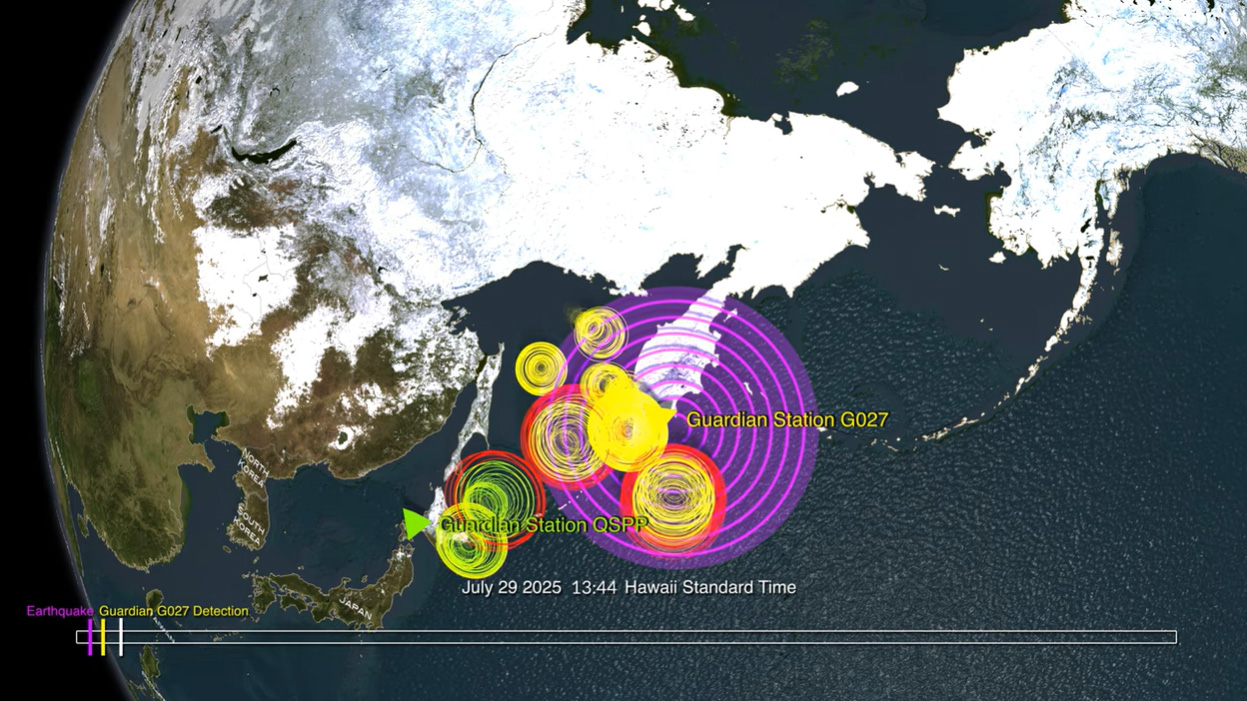
Die Technologie heißt GUARDIAN — GNSS Obere Atmosphäre Echtzeit-Katastropheninformation und Warnnetzwerk — und funktioniert nach einem Prinzip, das bis vor kurzem unwahrscheinlich gewesen wäre. Wenn sich ein Tsunami über den Ozean ausbreitet, erzeugt er Druckwellen in der Atmosphäre darüber. Diese atmosphärischen Wellen breiten sich nach oben und horizontal aus, erreichen die Ionosphäre — die elektrisch geladene Schicht der oberen Atmosphäre — wo sie messbare Störungen in der Elektronendichte erzeugen, die die Ausbreitung von GPS-Signalen beeinflussen, die die Schicht durchqueren.
Wie GUARDIAN die unsichtbare Welle erkennt
Das GPS-Netzwerk, das Navigation auf der Erde ermöglicht, funktioniert auch im GUARDIAN-Konzept als zufälliger Tsunamisensor. Jeder GPS-Empfänger auf der Erde empfängt kontinuierlich Signale, die die Ionosphäre durchqueren. Eine Druckwelle in der Atmosphäre, die durch einen Tsunami erzeugt wird, verzerrt die Ionosphäre leicht, aber messbar und führt Anomalien in GPS-Signalausbreitungsdaten ein, die trainierte Algorithmen erkennen und von Hintergrund-Ionosphärenvariabilität unterscheiden können.
Da GPS-Signale gleichzeitig von Tausenden von Bodenstationen und Milliarden von Verbrauchergeräten weltweit empfangen werden, kann das GUARDIAN-System Ionosphärenstörungs-Daten aus einem dichten, global verteilten Sensornetzwerk aggregieren, ohne dedizierte Hardware einzusetzen. Die Verarbeitungsschwierigkeit besteht darin, echte Tsunamisignale vom erheblichen Hintergrundrauschen in Ionosphärendaten zu unterscheiden — ein Problem, das NASA-Forscher durch maschinelle Lernmodelle gelöst haben, die auf historische Tsunamiereignisse und ihre charakteristischen Ionosphärensignaturen trainiert wurden.
Eine neue Datenvisualisierung, die diese Woche von der NASA veröffentlicht wurde, zeigt GUARDIANs Erkennungsfähigkeit anhand des Vulkanausbruchs von Hunga Tonga-Hunga Ha'apai im Jahr 2022 und des damit verbundenen Tsunamis als Testfall. Die Visualisierung zeigt, wie die Druckwelle aus diesem Ereignis nach oben durch die Atmosphäre wanderte und messbare Ionosphärenstörungen erzeugte, die sich vor der physikalischen Tsunamiwelle im darunter liegenden Ozean ausbreiteten.
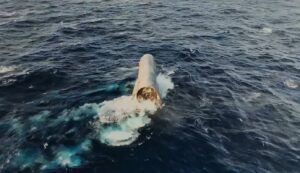
Minuten zusätzlicher Vorwarnzeit
Beim Hunga-Tonga-Ereignis hätte GUARDIANs Ionosphärenerkennung gegenüber den Meeresbodendruck-Sensoren des von der NOAA betriebenen DART-Netzwerks etwa 10 bis 15 Minuten zusätzliche Vorwarnzeit bereitgestellt. Für Gemeinden in Hawaii und an der US-Westküste liefert DART die primären Tsunamiwarnungsdaten. Für Gemeinden näher an der Quelle — einschließlich pazifischer Inselstaaten — bedeutet die Kombination aus kurzen Ausbreitungszeiten und Dichtelimitationen des DART-Netzwerks, dass zusätzliche Warnungen besonders wertvoll sind.
Die zusätzliche Vorwarnzeit stammt aus der Physik der Wellenausbreitung: Akustische und atmosphärische Druckwellen aus der Tsunamiquelle reisen mit Schallgeschwindigkeit in der Atmosphäre, was schneller ist als die Geschwindigkeit der Tsunamiwelle im Ozean. GUARDIAN erfasst die atmosphärische Signatur, die schneller vorrückt, anstatt auf die physikalische Welle zu warten, um einen Meeresbodendruck-Sensor zu erreichen.
Die NASA arbeitet derzeit mit der NOAA, die das offizielle US-Tsunamiwarnungssystem betreibt, an Integrationsprotokollem, die GUARDIAN-Daten in operative Warnmeldungen einbeziehen würden. Die beiden Behörden haben eine gemeinsame Arbeitsgruppe eingerichtet, die bewertet, wie GUARDIAN-Erkennungen neben traditionellen Meeresbodensensordaten im Entscheidungsprozess für Warnungen gewichtet werden sollten.
Erweiterung der Sensorfähigkeit
Das Ionosphärensensor-Prinzip, das GUARDIAN auf die Tsunamierkennung anwendet, hat potenzielle Anwendungen in anderen geophysikalischen Gefahrendomänen. Vulkanausbrüche, Großexplosionen und bedeutende Erdbeben erzeugen alle atmosphärische Druckwellen mit charakteristischen Ionosphärensignaturen. Die gleiche globale GPS-Infrastruktur, die GUARDIANs Tsunamierkennung ermöglicht, könnte mit angemessener Algorithmusentwicklung auf diese anderen Gefahren angewendet werden.
Die NASA erforscht auch, ob die Empfindlichkeit der GPS-basierten Ionosphärenerfassung durch die Bereitstellung eines Netzwerks dedizierter GPS-Referenzstationen in derzeit unterversorgten Regionen durch die Sensordichte des bestehenden Bodenempfängernetzwerks verbessert werden kann. Die Pazifikregion mit vielen gefährdeten Gemeinden hat eine relativ spärliche GPS-Bodenstation-Abdeckung im Vergleich zu den kontinentalen USA und Europa, was die Auflösung der Ionosphärenüberwachung in der Region mit dem höchsten Tsunamisiko begrenzt.
Das GUARDIAN-Team hat seine Erkennungsmethodik veröffentlicht und stellt die zugrunde liegenden Softwarewerkzeuge der internationalen wissenschaftlichen Gemeinschaft zur Verfügung, um parallele Entwicklungsanstrengungen in Ländern mit unabhängigen Raumfahrtprogrammen und GPS-Bodennetzen zu ermöglichen. Japan, das über das weltweit dichteste GPS-Bodenstations-Netzwerk verfügt und mit einigen der schwersten Tsunamisrisiken der Welt konfrontiert ist, hat bereits begonnen, GUARDIANs Methodik durch seine eigenen nationalen Forschungsprogramme zu bewerten.

Teil von NASAs breiterer Katastrophenüberwachungsmission
GUARDIAN stellt eines von mehreren NASA-Programmen dar, das bestehende Weltraum-Infrastruktur für Erdkatastrophen-Überwachungs- und Warnanwendungen nutzt. Das ARIA-Programm der NASA verwendet Synthetic-Aperture-Radar-Satellitendaten, um Erdbebenschäden in nahezu Echtzeit abzubilden, während die GRACE-FO-Satellitenmission die Grundwasserentleerung überwacht und auf Dürre-Frühwarnanwendungen angewendet wurde. Der gemeinsame Faden über diese Programme ist die Zweckentfremdung von weltraumgestützter wissenschaftlicher Infrastruktur für praktischen gesellschaftlichen Nutzen — ein Mandat, das die NASA zunehmend als Kernbestandteil ihrer Mission neben Grundwissenschaft und menschlicher Erkundung hervorgehoben hat.
Dieser Artikel basiert auf Berichten von der NASA. Lesen Sie den ursprünglichen Artikel.
Originally published on nasa.gov