Why We Still Don't Know the Moon's Full Composition
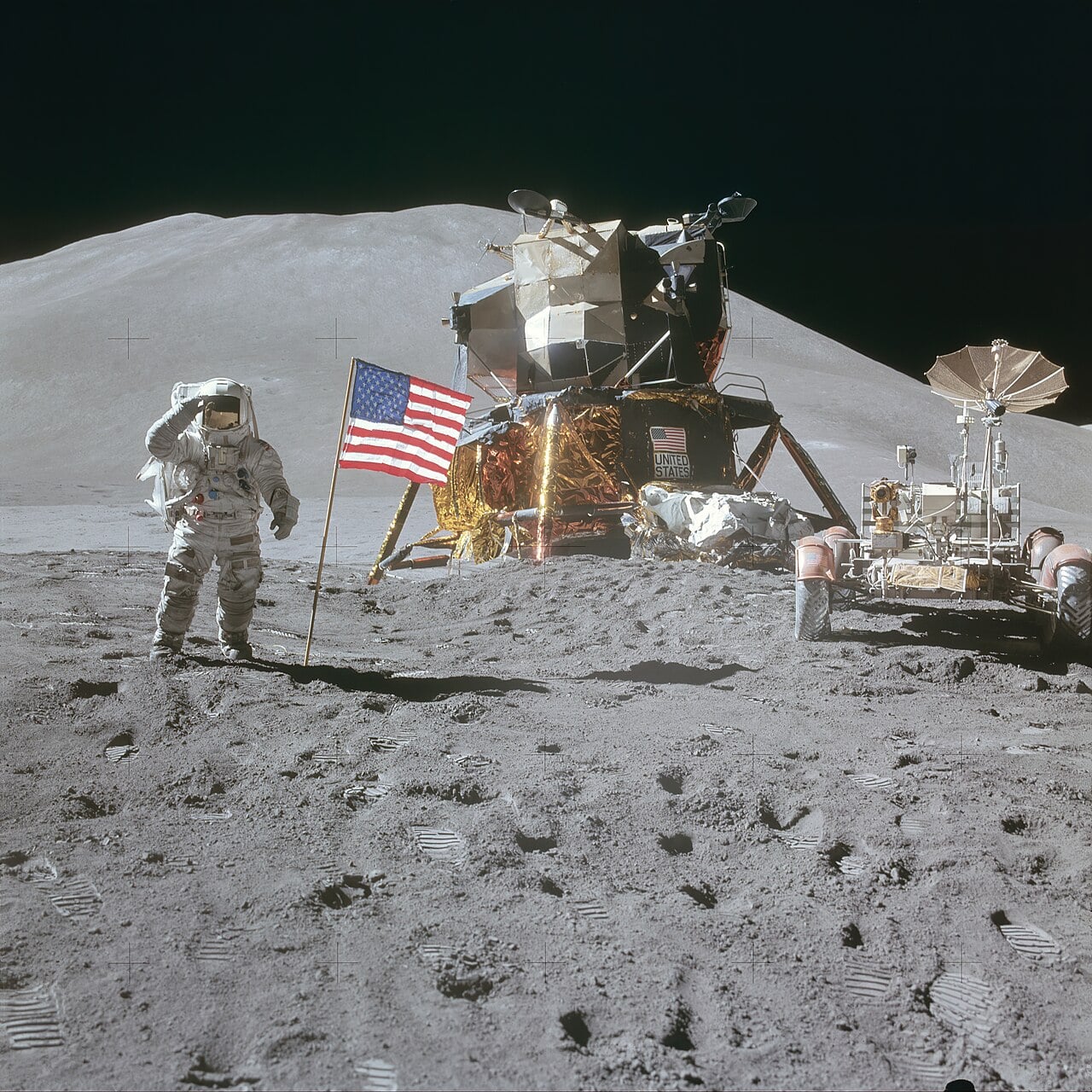
Despite decades of lunar exploration, including manned Apollo missions and robotic rovers, our understanding of the Moon's surface composition remains frustratingly incomplete. The Apollo program returned 382 kilograms of rock and soil samples, but these came from only six landing sites. With the Moon's surface area spanning nearly 38 million square kilometers, those samples represent mere pinpricks on a vast chemical map. Scientists have long sought a way to map the entire lunar surface without physically landing everywhere.
The Power of X-Ray Fluorescence
The solution may lie in X-ray fluorescence, a process where solar X-rays strike the lunar surface, causing atoms in the rocks to emit their own characteristic X-rays. Each element produces a unique spectral fingerprint, detectable from orbit. By measuring these emissions, researchers can determine the elemental composition of the surface below without ever touching the ground. Previous missions, such as Apollo's X-ray fluorescence experiment and India's Chandrayaan-1, attempted this technique but produced only partial maps. They were hampered by weak solar illumination at the poles and detector degradation over time, leaving the Moon's polar regions—potentially rich in scientific value—unmapped.

A Compact, Rugged Solution
Researchers at Tokyo Metropolitan University have now proposed a compact X-ray telescope that overcomes these limitations. Weighing less than ten kilograms, the instrument is light enough for long-term satellite missions and rugged enough to survive the harsh radiation environment of lunar orbit. According to simulations, a single telescope could map five key elements across the entire lunar surface in just two years by capturing X-ray bursts from approximately 300 solar flares per year. Scaling up to a five-by-five array of 25 telescopes on one satellite would reduce the mission time to one year while achieving a finer resolution of 30 by 30 kilometers per grid square.
Mapping Five Key Elements
The five elements targeted—oxygen, magnesium, aluminum, silicon, and calcium—are fundamental to understanding the Moon's geological history and resource potential. Oxygen, for instance, is critical for life support and rocket propellant production, while metals like aluminum and silicon are valuable for construction. A complete map would help identify regions rich in these resources, guiding future exploration and potential mining operations.

From Snapshot to Full Picture
This new approach promises to transform our knowledge from a handful of scattered samples to a comprehensive global map. The Apollo samples gave us detailed snapshots of specific locations, but they could not represent the Moon's diversity. For example, the lunar highlands are thought to be rich in aluminum and calcium, while the maria (dark plains) are dominated by iron and magnesium. However, without full coverage, these assumptions remain unverified. The X-ray telescope would fill these gaps, revealing the true distribution of elements across the entire surface, including the enigmatic polar regions that may harbor water ice.
Technical Feasibility and Next Steps
The Tokyo Metropolitan University team's simulations demonstrate that the instrument can achieve its goals using existing technology. The key is to leverage solar flares—frequent bursts of high-energy X-rays from the Sun—to induce fluorescence. During a solar flare, the X-ray flux increases dramatically, enhancing the signal from the lunar surface. The telescope would be designed to operate continuously, capturing data during both quiet and active solar periods. The researchers plan to build a prototype and test it in ground-based facilities before proposing a space mission.

Implications for Future Exploration
A complete elemental map of the Moon would be a game-changer for future exploration. It would help select landing sites for crewed missions, identify locations for in-situ resource utilization, and provide context for understanding the Moon's formation and evolution. Moreover, the same technique could be applied to other airless bodies, such as asteroids or Mercury, offering a cost-effective way to map their compositions from orbit. As humanity prepares to return to the Moon under programs like Artemis, this X-ray telescope could be a vital tool for unlocking the secrets of our nearest neighbor.
This article is based on reporting by Universe Today. Read the original article.
Originally published on universetoday.com