NASA’s flagship planetary lab is inviting the public back inside
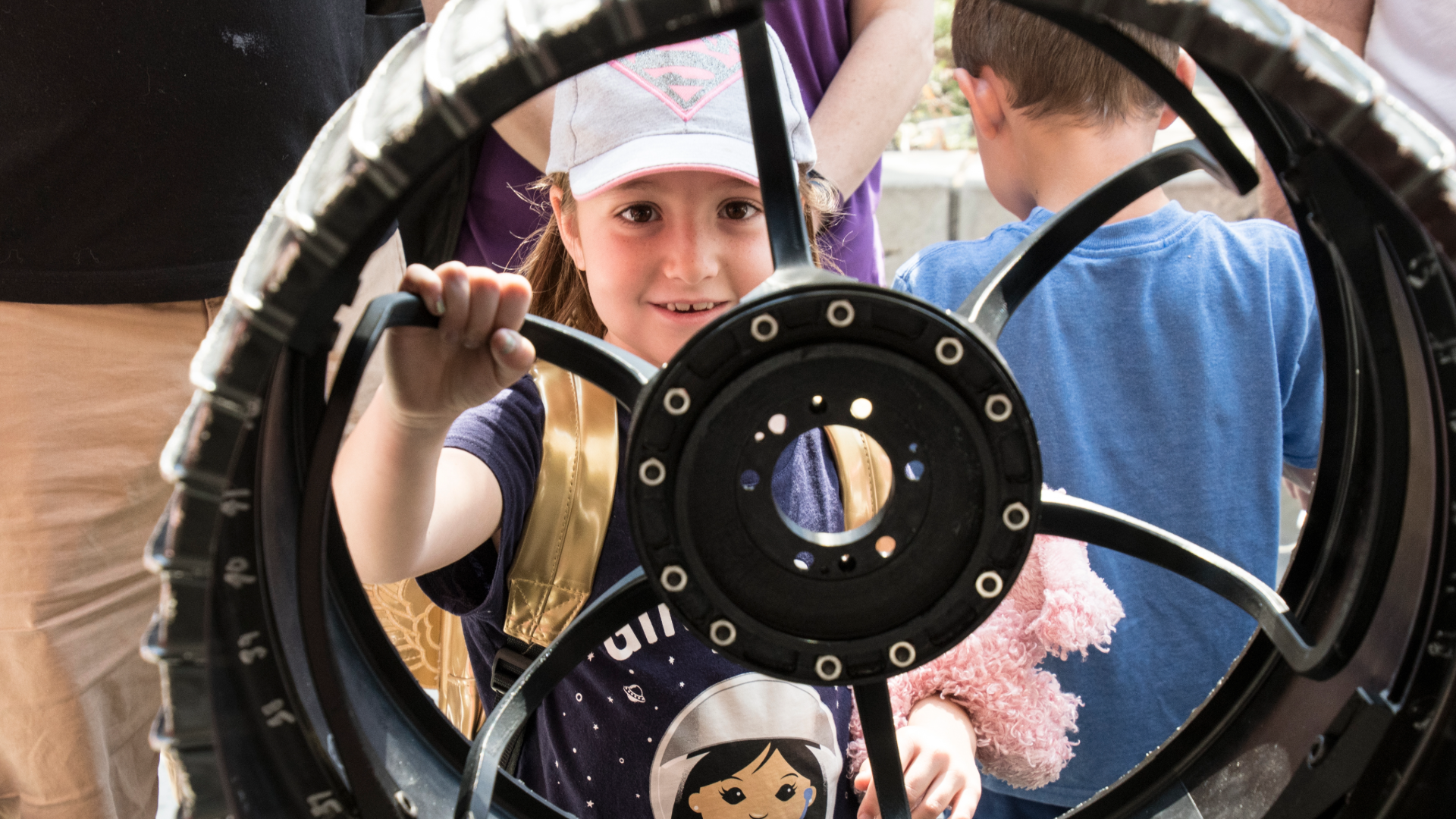
NASA’s Jet Propulsion Laboratory will hold a free open-house event, Explore JPL, on October 10 and 11 as the California lab celebrates its 90th anniversary. For visitors, the event is a chance to see the institution behind some of the most recognizable names in space exploration. For JPL, it is also a public-facing reminder of how much of modern space science is built not only on rockets and probes, but on long-running engineering systems, precision manufacturing, and mission operations.
The event is scheduled to run from 9:30 a.m. to 4 p.m. PDT on both days. Tickets are free, but NASA says they will be limited and distributed on a first-come, first-served basis beginning at 9 a.m. PDT on August 29 through the Explore JPL webpage. Each requester can reserve up to five tickets, and NASA says orders above that limit may be canceled.
What visitors will see
NASA says Explore JPL will be organized around four thematic areas: Missions That Changed the World, Moon to Mars, In Flight, and Makerspace. Those labels capture the breadth of JPL’s role inside NASA. The lab is not just associated with deep-space missions; it also serves as a center for robotics, Earth science instrumentation, and the engineering workflows that connect concept design to operations.
Among the featured attractions is the Space Flight Operations Facility, the historic control center where engineers send commands to spacecraft and receive data from missions operating at immense distances from Earth. NASA describes it as a National Historic Landmark, underscoring both its practical role and its symbolic place in the history of the space age.
Visitors are also expected to see the Spacecraft Assembly Facility and the JPL Machine Shop, where high-precision components are built and integrated. That matters because JPL’s public image is often defined by rovers and probes after launch, while the difficult fabrication work that makes those missions possible happens much earlier and largely out of view.
NASA also says the event will showcase robotics research, including autonomous lunar rovers and search-and-rescue robots, along with full-scale models of the Mars Perseverance rover, Voyager, and Galileo. Another highlight is the Microdevices Laboratory, where miniature technologies are being developed for future space exploration and Earth science applications.

A public event with institutional meaning
JPL traces its origins to 1936 rocket-propulsion work and became part of NASA in 1958, the same year the lab built and helped launch Explorer 1, America’s first satellite. Since then it has managed missions including Voyager, Galileo, Cassini, the Mars Exploration Rover program, Perseverance, and Europa Clipper. That timeline gives the open house a dual purpose: it is both outreach and a statement of continuity from the earliest U.S. space efforts to current missions.
Public-access events at major research facilities often do more than generate enthusiasm. They can translate abstract national investments into physical spaces that people can walk through and understand. In JPL’s case, the lab is offering access to the places where spacecraft are designed, assembled, and flown, effectively turning its internal infrastructure into part of the story.
NASA’s description also reflects a broader message about modern space programs. Exploration is no longer presented only as heroic flight; it is framed as a system of advanced manufacturing, robotics, operations software, and micro-scale hardware. That framing aligns with the agency’s current emphasis on long-duration lunar activity, Mars preparation, and technology development that can support both science and future human missions.
What to know before attending
NASA says tickets will be issued for specific time slots and reserved to specific names. Attendees will not be admitted before the time printed on their ticket. Anyone 18 or older must present government-issued identification, and tickets are not transferable or eligible for resale.
Children under age 2 do not need a ticket, though NASA notes that the event is not intended for very young guests. The agency also says some items will be prohibited from entry.
The restrictions point to the challenge of opening an active research campus to the public. JPL is both a celebrated symbol of exploration and a working facility with security, operational, and safety requirements. Explore JPL tries to bridge those realities by making access possible, but tightly structured.
For the public, that structure may be a reasonable tradeoff. Open-house events at JPL have historically drawn heavy interest, and NASA says tickets have gone quickly in the past. The strong demand is unsurprising: few institutions combine the cultural pull of space exploration with the technical prestige of a lab responsible for some of the most influential robotic missions ever flown.
As NASA and its partners push into a new cycle of lunar, planetary, and technology programs, the event also functions as a snapshot of where the field stands now. Mission control, robotics, machine shops, assembly facilities, and microdevices labs are not supporting characters in that story. They are the machinery of exploration itself, and for two days in October, JPL will let the public see them up close.
This article is based on reporting by NASA. Read the original article.

Originally published on nasa.gov