Der Weg zurück zum Mond
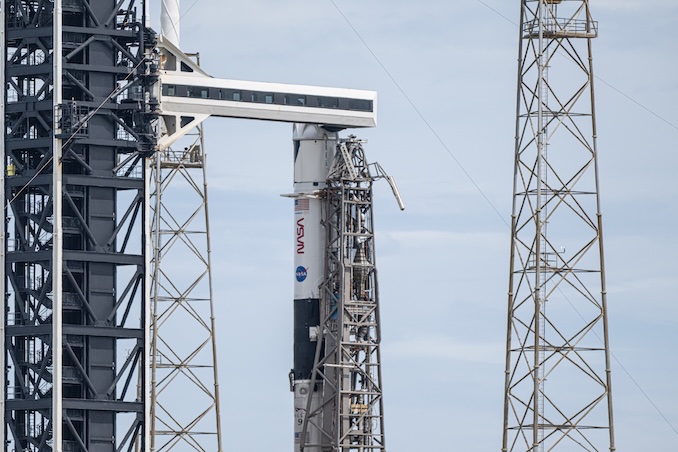
NASA steht an der Schwelle eines historischen Meilensteins: der erste bemannte Flug in die Nähe des Mondes seit mehr als einem halben Jahrhundert. Die Space Launch System-Rakete und das Orion-Raumschiff der Artemis 2-Mission werden am 20. März zu Launch Complex 39B transportiert — ein Rollout, das den Weg für einen Startversuch am 1. April ebnet, bei dem vier Astronauten auf einer etwa zehntägigen Reise um den Mond und zurück mitgenommen werden.
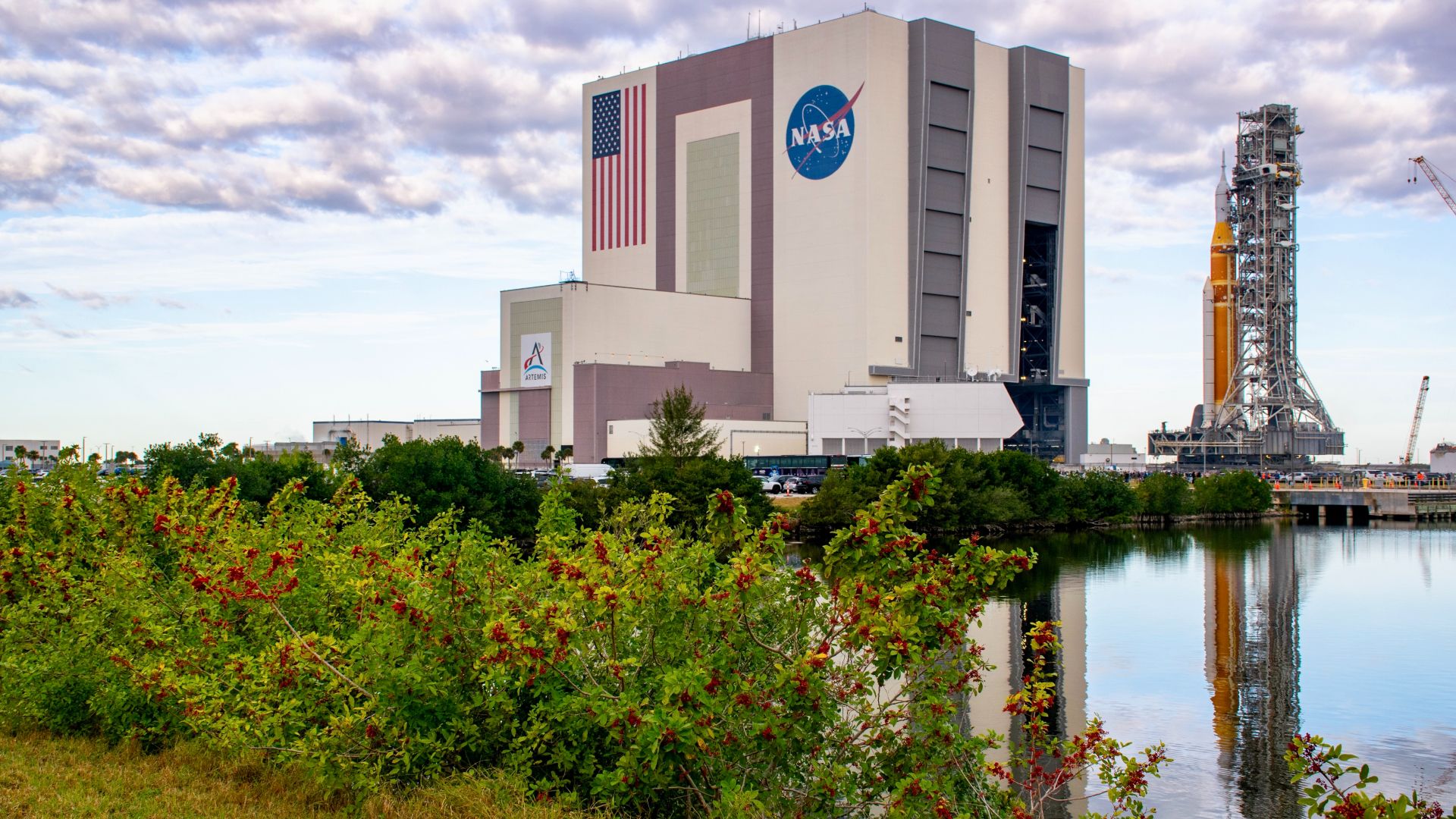
Das Rollout-Datum stellt eine kurze Verzögerung gegenüber früherer Planung dar, aber die NASA hat betont, dass das Startfenster vom 1. April intakt bleibt. Die zusätzliche Zeit im Vehicle Assembly Building wurde genutzt, um die endgültigen Systemprüfungen an der SLS-Kernstufe, der Interim Cryogenic Propulsion Stage und dem Orion-Mannschaftsmodul abzuschließen, das Commander Reid Wiseman, Pilot Victor Glover, Missionsspecialist Christina Koch und Canadian Space Agency-Astronaut Jeremy Hansen trägt.
Das Missionsprofil
Artemis 2 ist eine Freiflug-Rückkehrbahn-Mission, d. h. die Besatzung fliegt um die Rückseite des Mondes, nutzt die Mondgravitation für einen Katapultflug zurück zur Erde, ohne in eine Umlaufbahn einzutreten. Dieses Profil testet alle Orion-Systeme — Lebenserhaltung, Navigation, Kommunikation und Wiedereintritt — in der eigentlichen Mondumgebung, bevor man sich auf die komplexeren Landungsmissionen für Artemis 3 und darüber hinaus verpflichtet.
Die Besatzung wird sich ihrem weitesten Punkt etwa 6.400 Meilen über den Mond hinaus bewegen und den Rekord für die weiteste Entfernung brechen, die Menschen je von der Erde entfernt haben, womit sie die von Apollo 13 1970 erreichte Entfernung übersteigt. Die Gesamtmissionsdauer von etwa zehn Tagen wird die Orion-Kapsel durch ihre gesamte operative Bandbreite führen und kritische Daten für Missionsplaner generieren, die die folgende Mondlandung vorbereiten.

Was das Rollout bedeutet
Der Umzug des Crawler-Transporters vom VAB zu Launch Complex 39B — eine Strecke von etwa 4,2 Meilen, die etwa 8 Stunden dauert — ist ein symbolischer und logistischer Meilenstein. Einmal auf dem Startplatz angekommen, ist die Rakete für Meilen sichtbar und zugänglich für endgültige Betankung und Systemverifikationssequenzen, die dem Start vorausgehen. Die Öffentlichkeit und die Raumfahrtgemeinde behandeln die Ankunft auf dem Startplatz als greifbare Bestätigung, dass eine Mission ihrem Augenblick näher rückt.
Für NASA und das Artemis-Programm kommt das Rollout nach Jahren von Verzögerungen und politischer Kontrolle. Artemis 1, der unbemannte Testflug, der die SLS- und Orion-Kombination Ende 2022 validierte, bewies, dass die Hardware funktioniert. Artemis 2 wird demonstrieren, dass sie mit Menschen an Bord funktioniert — eine qualitativ andere Validierung, an der die Agentur durch ein umfassendes Astronautentrainingsprogramm gearbeitet hat.
Die Besatzung und ihr Training
Die vier Artemis 2-Besatzungsmitglieder haben zusammen Tausende von Stunden in Orion-Simulatoren, Unterwasser-Neutralauftriebstraining für Weltraumspaziergänge und missionsspezifische Verfahren für das Mondflugprofil absolviert. Hansen als erster Kanadier, der über Low Earth Orbit hinaus reist, trägt das Gewicht eines historischen nationalen Meilensteins neben seinen Missionsverantwortungen. Koch, die während ihres ISS-Aufenthalts den Rekord für den längsten Raumflug durch eine Frau aufgestellt hat, bringt tiefe Expertise in menschlichen Faktoren bei Langzeitflügen mit.
Commander Wiseman hat das Besatzungstraining mit besonderem Fokus auf Verfahren geleitet, die erforderlich sind, wenn Orions Rückkehrbrand fehlschlägt oder wenn die Lebenserhaltungssysteme auf unerwartete Bedingungen treffen. Die Freiflug-Rückkehrbahn bietet eine natürliche Notfalloption im Falle von Antriebsanomalien, aber die Besatzung hat sich umfangreiche Schulungen für eine Reihe von Notfällen über das nominale Missionsprofil hinaus unterzogen.

Was nach Artemis 2 kommt
Unter der Annahme, dass Artemis 2 nominal verläuft, wird sich die Aufmerksamkeit des Programms sofort auf Artemis 3 verlagern, mit Zielposition spätestens 2027. Artemis 3 wird das SpaceX Starship Human Landing System verwenden, um zwei Astronauten zur Mondoberfläche in der Nähe des Südpols zu bringen — eine Region von besonderem wissenschaftlichen Interesse für dauerhaft schattige Krater, die vermutlich Wassereis enthalten. Diese Mission wird auch das erste Mal sein, dass eine Frau und die erste Person of Color auf dem Mond wandelt.
Das Apollo-Programm folgte dem gleichen Schritt-für-Schritt-Ansatz: eine bemannte Zirkumlunarflug-Mission (Apollo 8), dann eine Orbitalprobe (Apollo 10), dann die Landung (Apollo 11). Artemis folgt der gleichen Logik, und das Rollout vom 20. März markiert, dass die nächste Stufe in dieser Abfolge zur Realität wird.
Dieser Artikel basiert auf Berichten von Space.com. Lesen Sie den Originalartikel.
Originally published on space.com