Introduction
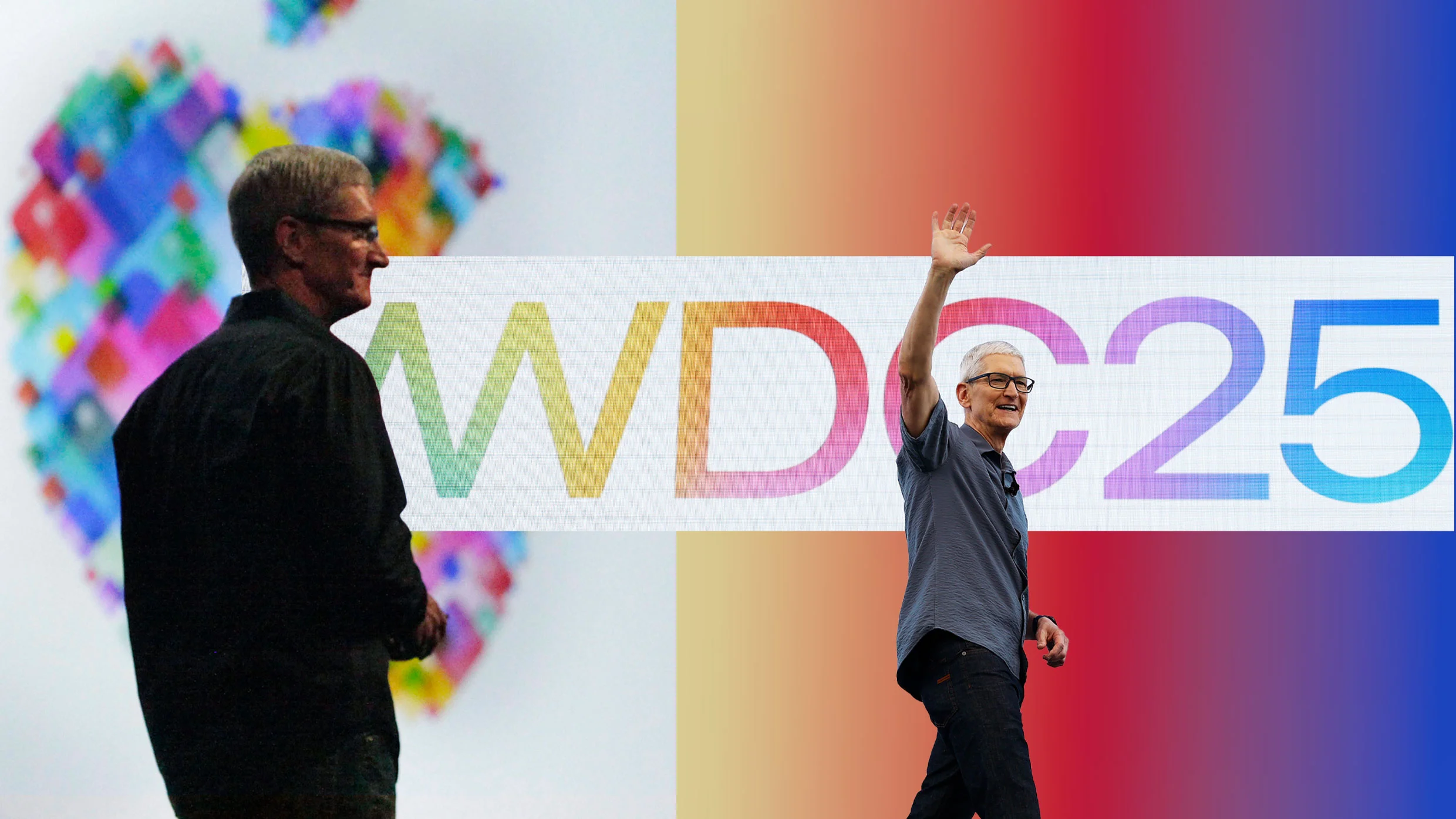
Tim Cook has less than three months remaining in his tenure as Apple’s CEO. Assuming he takes the stage as master of ceremonies at WWDC this week, it will be the 15th and final time he has done so as CEO. Cook’s tenure at the tech giant stretches far beyond Apple’s new product announcements. He has built Apple into a $4.5 trillion company and threaded a political needle that many CEOs have failed to navigate. He also transitioned Apple from a hardware-only company into a services empire, building products like iCloud and Apple Pay into a business unit with annual revenue most other companies would envy. There’s something about WWDC that serves as a focal point. It’s an event that might not be as splashy as the company’s product unveilings in September, but it’s where Apple pulls back the curtain on new initiatives that often shape its future. As Cook prepares to take the stage for what could be the last time, here’s a look at some of his biggest WWDC moments.
1. The Introduction of Apple Vision Pro
Arguably Cook’s signature WWDC moment, the unveiling of the Vision Pro in 2023 was Apple’s first major hardware launch since the unveiling of the Apple Watch in 2015. It marked, Cook said, the beginning of the age of “spatial computing.” Critics loved it, but with a high price point and a consumer base that has yet to be convinced of the need for virtual or augmented reality, the Vision Pro has struggled somewhat since launch. Apple’s interest in the brand has been less vocal of late, but the company is unlikely to give up on it.

2. Goodbye Intel: The Transition to Apple Silicon
Cook’s announcement in 2020 that Apple would move away from Intel processors to focus on chips of its own design was a “bet the company” moment. Had it gone wrong, Apple’s progress could have been set back by several years, giving rivals a chance to surpass it. The M-series chip, however, strapped a jet to the company’s products, improving the performance of Macs, boosting battery life, and giving Apple more control over its own ecosystem.
3. iOS 7’s Redesign
2013 marked the biggest visual overhaul the iPhone had ever seen and arguably remains the biggest in the product’s history. The “skeumorphic” textures that defined the Steve Jobs era were jettisoned in favor of a more modern interface, designed by Jony Ive. Icons were flatter. The slide to unlock function was introduced and the groundwork for CarPlay was laid. While it faced a mixed reception initially, users quickly adopted it. For many Apple users, it marked the real beginning of the Cook era.
4. The Rise of Services: iCloud and Apple Pay
Under Cook, Apple transformed from a hardware-centric company into a services powerhouse. At WWDC, the company has consistently highlighted its growing services ecosystem, including iCloud and Apple Pay. These products have become a business unit with annual revenue most other companies would envy. The emphasis on services has allowed Apple to diversify its revenue streams and deepen customer lock-in.
5. Privacy as a Core Feature
Cook has made privacy a hallmark of his tenure, and WWDC has been a key platform for announcing new privacy features. From App Tracking Transparency to on-device processing, Apple has positioned itself as a champion of user privacy. These moves have drawn both praise and criticism, but they have undeniably shaped the industry conversation around data protection.
6. The Expansion of the Ecosystem
WWDC has also been where Apple has expanded its ecosystem, introducing features like Handoff, Universal Clipboard, and Sidecar that seamlessly integrate devices. These innovations have made the Apple ecosystem more compelling and have encouraged users to stay within the Apple walled garden. Cook’s focus on integration has been a key driver of Apple’s continued growth.
Conclusion
As Tim Cook prepares for his final WWDC keynote, these moments highlight a tenure marked by bold bets, design overhauls, and a relentless focus on services and privacy. While the Vision Pro may not have achieved the immediate success of the iPhone, Cook’s legacy at Apple is secure. The company he leaves behind is stronger, more diversified, and more influential than ever.
This article is based on reporting by Fast Company. Read the original article.
Originally published on fastcompany.com