Post-Quantum-Sicherheit erreicht Drohnen, bevor Quantenangriffe eintreffen
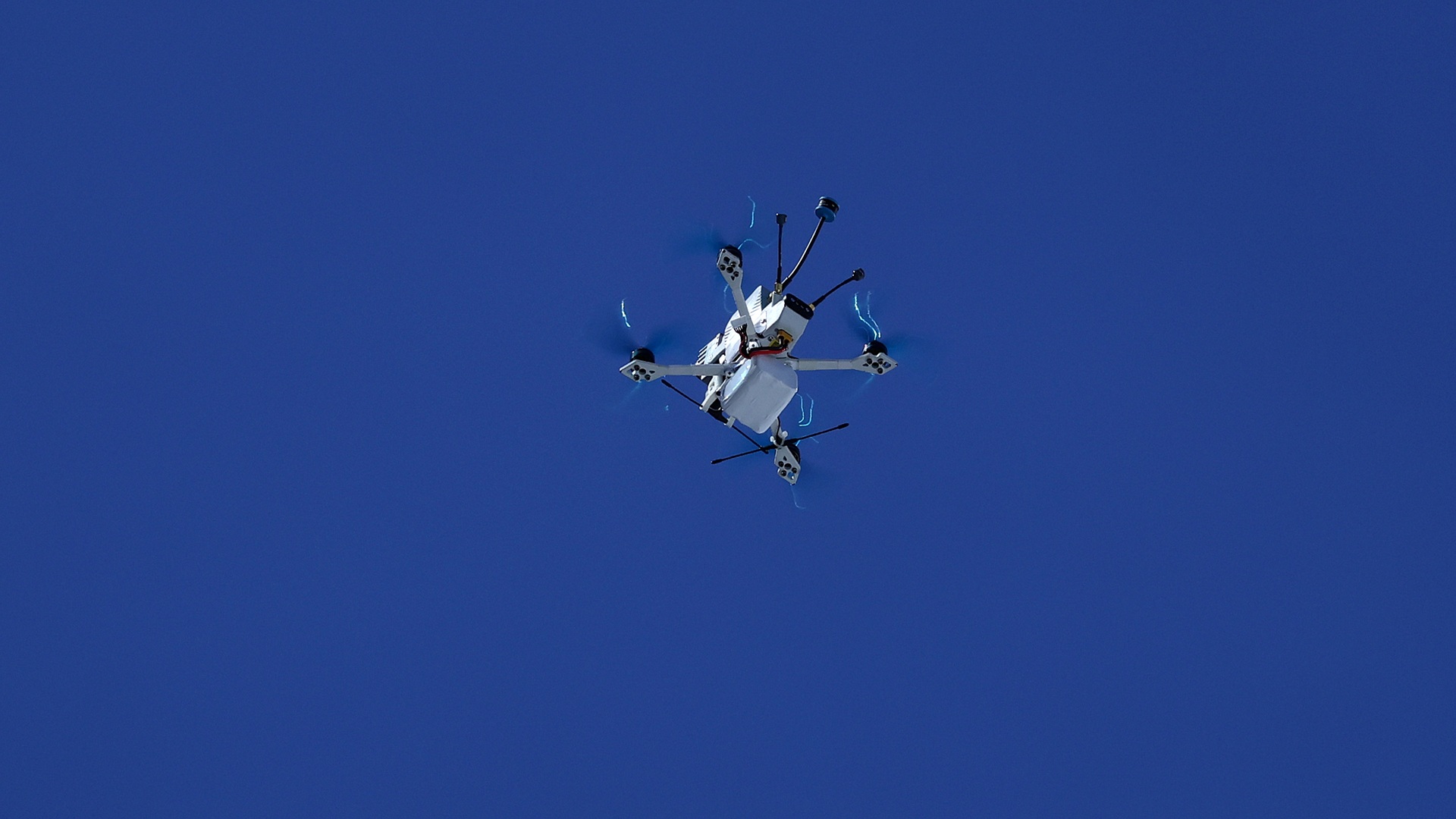
Europäische Verteidigungsfirmen haben eine neue Drohnenplattform getestet, die im vorliegenden Material als quantensicher beschrieben wird und darauf abzielt, Daten von unbemannten Luftfahrzeugen vor künftigen Cyberbedrohungen zu schützen. Auch wenn die Details in der Quelle begrenzt sind, ist die Bedeutung des Tests klar: Post-Quantum-Sicherheit verlässt allmählich die Standardsdiskussion und gelangt in operative Hardwarekategorien mit unmittelbarem strategischem Wert.
Dieser Wandel ist wichtig, weil Drohnen an der Schnittstelle von Sensorik, Kommunikation, Autonomie und militärischer oder industrieller Entscheidungsfindung liegen. Jede Plattform, die Daten erfasst, Befehle überträgt und in umkämpften Umgebungen operieren kann, ist ein offensichtlicher Kandidat für stärkeren kryptografischen Schutz. Ein System, das mit künftigen Bedrohungen aus dem Quantenzeitalter im Blick entworfen wurde, deutet darauf hin, dass Hersteller Post-Quantum-Resilienz nicht länger als entferntes Compliance-Thema behandeln. Sie beginnen, sie als Designanforderung zu betrachten.
Warum Quantensicherheit wichtig ist, bevor Quantencomputer ankommen
Die Dringlichkeit rund um Post-Quantum-Sicherheit beruhte schon immer auf einem heiklen Zeitproblem. Quantencomputer in großem Maßstab, die weit verbreitete Public-Key-Systeme brechen könnten, sind noch keine routinemäßige operative Bedrohung, aber Systeme, die heute eingesetzt werden, können lange genug im Dienst bleiben, um dieser Zukunft zu begegnen. Heute erfasste sensible Daten können zudem gespeichert und später angegriffen werden. Für Verteidigungs- und Infrastruktursysteme ist es keine glaubwürdige Strategie, zu warten, bis die Bedrohung vollständig ausgereift ist.
Drohnen sind ein besonders relevanter Fall. Sie sind informationsreich, werden ferngesteuert oder halbautonom betrieben und sind zunehmend zentral für Überwachung, Kartierung, Logistik und militärische Missionen. Wenn die Integrität oder Vertraulichkeit ihrer Kommunikation kompromittiert wird, können die Folgen weit über ein einzelnes Fluggerät hinausreichen. Deshalb verdient ein Quantensicher-Designanspruch, selbst im Teststadium, Aufmerksamkeit. Er zeigt, wohin sich die Sicherheitsprioritäten in Sektoren bewegen, die es sich nicht leisten können, Vertrauen erst nach der Einführung nachzurüsten.
Von Kryptopolitik zu Plattformtechnik
In den vergangenen Jahren wurde Post-Quantum-Kryptografie oft in abstrakten institutionellen Begriffen diskutiert: Normungsgremien, Migrationsfahrpläne, Algorithmusauswahl und langfristige Compliance. Doch Adoption wird erst real, wenn diese Ideen in physische Systeme integriert werden. Eine Drohnenplattform ist nützlich, weil sie den Übergang sichtbar macht. Statt allgemein über Zukunftssicherheit zu sprechen, müssen Entwickler praktische Fragen zu Leistung, Kompatibilität, Bandbreite, Latenz und betrieblicher Zuverlässigkeit lösen.
Das macht Feldtests bedeutsam. Reale Systeme haben Leistungsgrenzen, Nutzlastbeschränkungen, Zeitvorgaben und Wartungsrealitäten. Ein „quantensicheres“ Label auf einer Drohne impliziert nicht nur eine kryptografische Wahl, sondern auch eine ingenieurtechnische Entscheidung darüber, wie Sicherheit in den Rest der Plattform passt. Das ist ein stärkeres Signal als ein White Paper oder eine Roadmap-Ankündigung. Es deutet darauf hin, dass der Sektor beginnt zu prüfen, ob Post-Quantum-Schutz innerhalb operativer Zwänge bestehen kann, statt außerhalb von ihnen.
Es spiegelt auch die veränderte Haltung europäischer Verteidigungstechnologie wider. Sicherheitsresilienz wird zunehmend als Differenzierungsmerkmal betrachtet, nicht nur als Beschaffungs-Häkchen. Eine getestete Drohnenplattform, die auf künftige Cyberresilienz ausgerichtet ist, spricht für einen Markt, in dem Überlebensfähigkeit digitale Robustheit ebenso einschließt wie Flugzeugzellenleistung oder Missionsdauer.
Warum unbemannte Systeme ein frühes Testfeld sind
Drohnen sind ein logischer Ort für frühe Einführung, weil sie auf vertrauenswürdige Kommunikationsverbindungen angewiesen sind und oft dort eingesetzt werden, wo Störung, Abfangen, Spoofing oder Datenkompromittierung bereits reale Risiken sind. Selbst bevor sich vollumfängliche Quantenbedrohungen materialisieren, kann der Druck hin zu stärkerem kryptografischem Design die Systemdisziplin verbessern. In der Praxis zwingt als „quantensicher“ bezeichnete Arbeit oft zu einer tieferen Betrachtung von Schlüsselmanagement, sicherer Architektur und langfristiger Wartbarkeit des Systems.
Der Quellenauszug beschreibt die Plattform als darauf ausgelegt, UAV-Daten gegen künftige Bedrohungen zu sichern. Diese Formulierung trifft die kommerzielle und verteidigungspolitische Logik gut. Es geht nicht einfach darum, einen Technologie-Branding-Wettbewerb zu gewinnen. Es geht darum, unbemannte Systeme der nächsten Generation nicht auf Sicherheitsannahmen aufzubauen, die schnell veralten könnten.
- Europäische Verteidigungsfirmen haben eine als quantensicher beschriebene Drohnenplattform getestet.
- Die Maßnahme zielt darauf ab, UAV-Daten vor künftigen Cyberbedrohungen zu schützen.
- Die Entwicklung deutet darauf hin, dass Post-Quantum-Sicherheit in die praktische Entwicklung unbemannter Systeme einzieht.
- Drohnen sind ein starkes frühes Anwendungsfeld, weil sie auf sichere Kommunikation und Datenintegrität angewiesen sind.
Es bleiben allerdings offensichtliche Fragen. Das Kandidatenmaterial nennt weder den konkreten kryptografischen Ansatz noch die Leistungskompromisse oder Testbedingungen. Diese Unbekannten sind wichtig. „Quantensicher“ kann je nach Implementierung und Bedrohungsmodell Unterschiedliches bedeuten. Aber selbst auf hoher Ebene ist die Richtung bedeutsam. Sie zeigt, dass Post-Quantum-Ideen in das Denken über eingesetzte Systeme einfließen.
Das ist die breitere Entwicklung, auf die es zu achten gilt. Der Post-Quantum-Übergang wird nicht dann real, wenn Organisationen aufhören, darüber zu sprechen, sondern wenn er in Fahrzeugen, Geräten, Industrienetzen und Verteidigungssystemen auftaucht, die unter realen Bedingungen funktionieren müssen. Eine getestete Drohnenplattform ist eines der klarsten Zeichen bisher, dass dieser Übergang begonnen hat.
Dieser Artikel basiert auf einer Berichterstattung von Interesting Engineering. Zum Originalartikel.
Originally published on interestingengineering.com