Frankreich rückt die Elektrifizierung ins Zentrum der nationalen Strategie
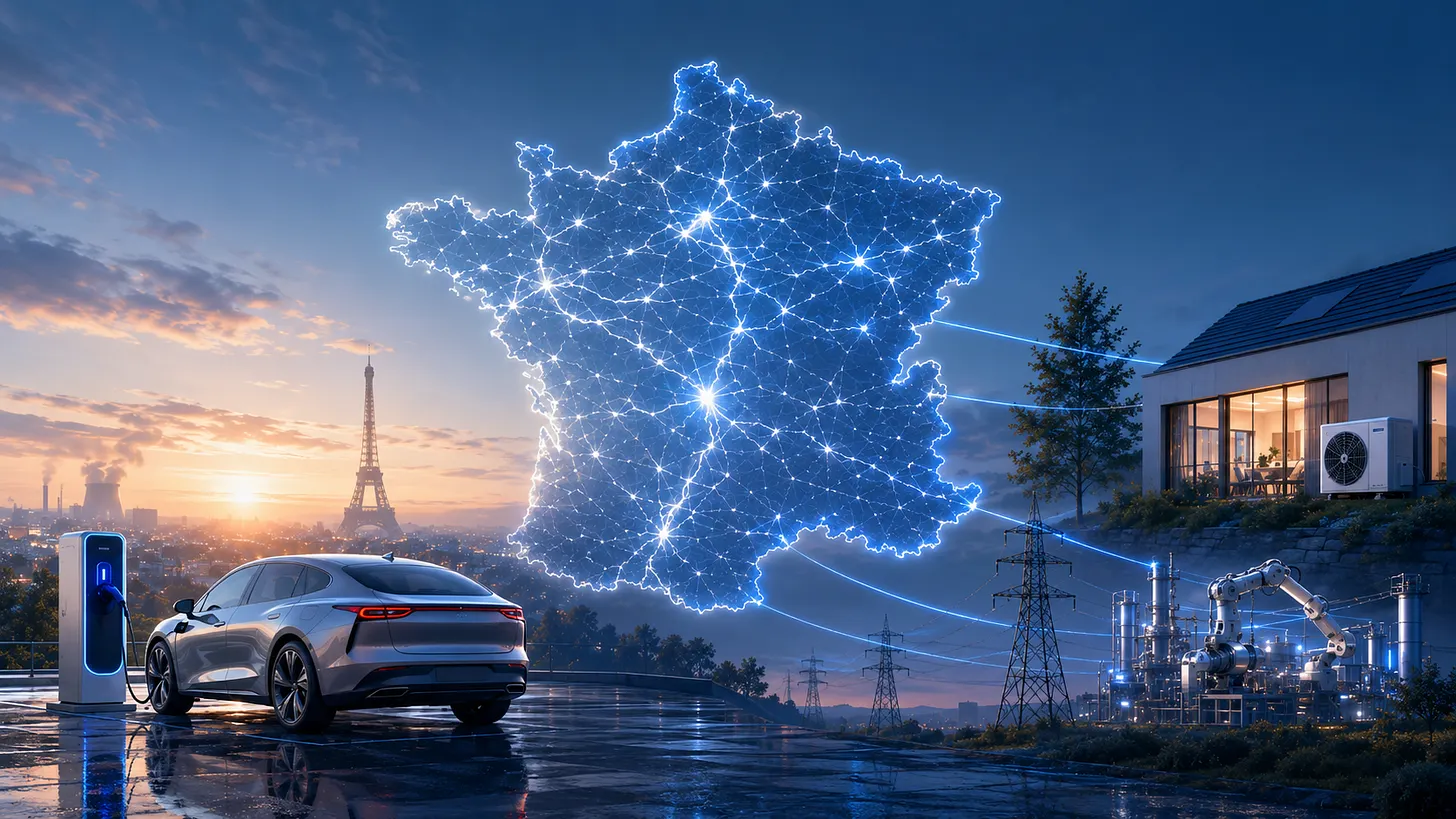
Frankreich hat einen breiten nationalen Elektrifizierungsschub angekündigt, der sauberen Strom als mehr als nur ein Instrument zur Emissionsminderung behandelt. Dem bereitgestellten Ausgangstext zufolge hat Präsident Emmanuel Macron einen Elektrifizierungspakt unterzeichnet, an dem Tausende von Unternehmen beteiligt sind, mit dem Ziel, den im Inland erzeugten Strom bis 2030 auf 60 % des französischen Energiemixes zu erhöhen. Die öffentliche Unterstützung für diese Bemühung soll bis 2030 auf 10 Milliarden Euro pro Jahr verdoppelt werden und Stromerzeugung, Heizung, Verkehr und Industrie abdecken.
Genau diese Einordnung ist die eigentliche Nachricht. Frankreich stellt Elektrifizierung nicht als enges Klimaprogramm dar, sondern verknüpft sie mit Energiesicherheit, Industriepolitik und dem Schutz der Haushaltskosten. Praktisch bedeutet das, die Abhängigkeit von importiertem Öl und Gas zu verringern und sich stärker auf ein Stromsystem zu stützen, das bereits durch Kernenergie stark dekarbonisiert und durch erneuerbare Energien ergänzt wird.
Warum diese politische Ausrichtung wichtig ist
Energiepolitische Debatten bleiben oft in technischen Silos stecken, wobei Verkehr, Gebäude, Strom und Industrie als getrennte Akten behandelt werden. Der französische Plan ist bemerkenswert, weil er die Elektrifizierung als verbindendes Gewebe über all diese Bereiche hinweg beschreibt. Die zugrunde liegende Logik ist einfach: Wenn mehr Endanwendungen mit heimischem, kohlenstoffarmem Strom betrieben werden, gewinnt das Land niedrigere Emissionen, mehr Kontrolle über sein Energiesystem und weniger Anfälligkeit für Preisschocks bei fossilen Brennstoffen.
Das ist besonders in Europa wichtig, wo das Risiko importierter Brennstoffe nicht länger als abstraktes Problem behandelt werden kann. Der französische Ansatz erkennt zumindest in seiner Richtung an, dass Elektrifizierung kein Nebenschauplatz ist. Sie ist Infrastruktur-, Wettbewerbs- und Resilienzpolitik in einem.
Die jetzt auf dem Tisch liegenden Maßnahmen
Der im Ausgangsmaterial beschriebene Plan ist nicht symbolisch. Frankreich will Wärmepumpen mit dem Ziel von einer Million Einheiten pro Jahr bis 2030 voranbringen. Es geht auch gegen Gasheizungen in Neubauten vor. Außerdem soll das soziale Leasing für Elektrofahrzeuge für einkommensschwache Vielfahrer wieder aufgenommen werden, während elektrische Lieferwagen und Lastwagen, Ladeinfrastruktur, heimische EV-Produktion, Netzausbau und die Elektrifizierung der Industrie vorangetrieben werden.
Das Paket ist auch mit einem wirtschaftlichen Versprechen verbunden: mehr als 600.000 Arbeitsplätze zu schaffen oder zu sichern. Solche Aussagen müssen sich am Ende an der Umsetzung messen lassen, doch die Breite des Vorhabens ist für sich genommen wichtig. Es handelt sich um einen Plan, der Haushaltstechnik, Logistik, Fertigung und Stromversorgung umfasst, statt nur einen einzelnen Schlagzeilen-Sektor herauszugreifen.
Frankreichs struktureller Vorteil
Frankreich ist für diese Argumentation ungewöhnlich gut aufgestellt, weil sein Stromsystem von einer vergleichsweise kohlenstoffarmen Basis ausgeht. Der Ausgangstext hebt die Rolle der Kernenergie ausdrücklich hervor, während erneuerbare Energien das Angebot im Laufe der Zeit ergänzen. Das verändert die Rechnung. In Ländern, deren Netz noch stark auf fossilen Brennstoffen beruht, kann Elektrifizierung zwar weiterhin strategisch sinnvoll sein, doch die unmittelbare Emissions- und Kostenentwicklung ist komplizierter. Frankreich kann das Argument klarer machen, weil zusätzlicher Strombedarf mit heimischer, kohlenstoffarmer Erzeugung gedeckt werden kann.
Das macht den Übergang nicht einfach. Es bedeutet aber, dass das Land eine stärkere Grundlage als viele Vergleichsländer hat, um Verkehr, Wärme und industrielle Nachfrage mit einer saubereren Versorgungsbasis zu verbinden.
Die eigentliche Frage ist die Umsetzung
Die im Ausgangsartikel enthaltene Vorsicht ist auch die richtige: 2030 trägt hier sehr viel Last. Eine Strategie kann in der Richtung richtig sein und dennoch bei der Umsetzung scheitern. Ziele für Wärmepumpen, EV-Zugang, Netzausbau und industrielle Umstellung sind nur dann glaubwürdig, wenn Lieferketten, Genehmigungen, Arbeitskräftekapazitäten, Finanzierung und lokale Umsetzung schnell vorankommen.
Der Netzausbau ist besonders wichtig. Elektrifizierung im großen Maßstab bedeutet nicht nur, Endverbrauchsgeräte wie Wärmepumpen oder Fahrzeuge hinzuzufügen. Es braucht Netze, die mehr Strom transportieren, neue Erzeugung anbinden und unterschiedliche Nachfragemuster bewältigen können. Die Elektrifizierung der Industrie fügt eine weitere Ebene der Komplexität hinzu, weil sich die technischen Pfade je nach Sektor stark unterscheiden.
Der Plan muss außerdem seine politische Tragfähigkeit bewahren. Unterstützungsmechanismen für Haushalte und Industrie müssen Budgets, Inflation und Wahlzyklen überstehen. Eine starke Schlagzeile kann schnell verpuffen, wenn Verbraucher nur die anfänglichen Umstellungen sehen und nicht den versprochenen langfristigen Schutz.
Ein politisches Signal, das andere Länder beobachten werden
Selbst mit diesen Risiken sticht Frankreichs Ankündigung als wichtiges politisches Signal hervor. Sie verschiebt die Debatte weg von der Frage, ob Elektrifizierung theoretisch wünschenswert ist, hin zur Frage, wie schnell sie in der realen Wirtschaft operationalisiert werden kann. Genau dorthin bewegt sich ohnehin die nächste Phase der Debatten über den Energiewandel.
Wenn die französische Regierung diesen Pakt von strategischer Sprache in sichtbare Umsetzung überführen kann, wird sie ein Modell geschaffen haben, das andere Länder vermutlich genau studieren werden. Wenn nicht, wird die Lehre anders, aber dennoch wichtig sein: Selbst ein Land mit einer kohlenstoffarmen Strombasis und einer klaren strategischen Begründung kann Schwierigkeiten haben, Ehrgeiz in Systemwandel zu übersetzen.
Fürs Erste hat Frankreich zumindest den richtigen Rahmen identifiziert. Elektrifizierung wird nicht als dekorativer Klima-Zusatz behandelt, sondern als Frage nationaler Leistungsfähigkeit. Die nächsten vier Jahre werden zeigen, ob daraus dauerhafte Politik oder nur treffende Rhetorik wird.
Dieser Artikel basiert auf einer Berichterstattung von CleanTechnica. Den Originalartikel lesen.
Originally published on cleantechnica.com