Notfallbefugnisse zur Verlängerung der Lebensdauer von Kohle- und Gaskraftwerken
Die Section 202(c)-Autorität des Department of Energy wurde als enges Notfallwerkzeug entworfen—eine Möglichkeit, Kraftwerke während echter grid reliability-Krisen online zu halten, wenn es keine andere Möglichkeit gab, Stromausfälle zu verhindern. In der gegenwärtigen Verwaltung wurde diese Autorität dreizehnmal angerufen, um Kohle- und Gaskraftwerke über ihre geplanten Pensionierungstermine hinaus am Laufen zu halten, in mehreren Fällen gegen die Einwände von Staatsregulatoren, Kraftwerksbetreibern und den utility, die gezwungen wären, den Strom zu kaufen.
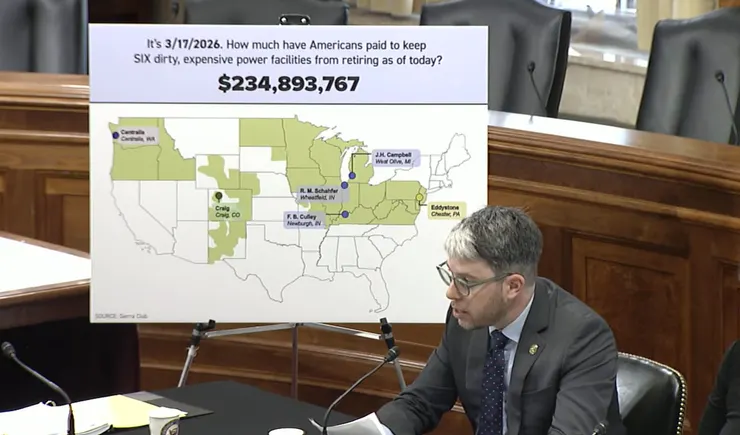
Eine diese Woche von Sierra Club veröffentlichte Analyse beziffert die Auswirkungen dieser Interventionen: mindestens 235 Millionen Dollar, die zu den amerikanischen Stromrechnungen hinzugefügt wurden. Die Zahl spiegelt die oberhalb der Marktkosten liegenden Elektrizitätskosten von Kraftwerken wider, die zu höheren Kosten betrieben werden als die grid-Ressourcen, die sie hätten ersetzen sollen, und an die Kunden in den von den betroffenen grid operators versorgten Regionen weitergegeben werden.
Wie sich die Kosten Aufrechnen
Der Mechanismus, durch den Notfall-Betriebserhaltungsverordnungen die Verbraucherkosten erhöhen, ist unkompliziert, aber nicht immer für Einzelhandelsstromkunden sichtbar. Wenn ein unwirtschaftliches Kraftwerk—das heißt, es produziert Strom zu höheren Kosten als verfügbare Alternativen—angewiesen wird, online zu bleiben, muss der grid operator oder die utility bezahlen, um es am Laufen zu halten. Diese Kosten fließen in die dispatch- oder capacity-Marktberechnungen ein, verdrängen günstigere Ressourcen und erhöhen die durchschnittlichen Stromkosten im grid.
Die Sierra Club-Analyse verwendete für jede der dreizehn Verordnungen eine kontrafaktische Methodik und schätzte die Kostsprämie, die auf die erzwungene Aufrechterhaltung jedes Kraftwerks während des Zeitraums, in dem es unter Notfallbefugnis online blieb, entfiel. Die Zahl von 235 Millionen Dollar deckt nur die direkten Stromkostenprämien ab. Sie berücksichtigt nicht die mit den Verordnungen verbundenen Verwaltungs- und Rechtskosten, die vor Bundesgericht von mehreren Parteien angefochten wurden, auch nicht die Umweltexternalitäten—Auswirkungen auf die Luftqualität und emissions—von Kraftwerken, die sonst ihre Tätigkeit eingestellt hätten.

Die Beteiligten Kraftwerke
Die sechs Kraftwerke, die unter Notfallverordnungen online bleiben, erstrecken sich über mehrere Bundesstaaten und Brennstofftypen, wobei coal plants die Mehrheit darstellen. Mehrere der Kraftwerke hatten Pensionierungstermine angekündigt, die ihre Besitzer auf der Grundlage von Wirtschaftsanalysen durchführen wollten: Der Weiterbetrieb veralteter Infrastruktur mit hohen Brennstoffkosten und erheblichen Wartungsanforderungen war weniger rentabel als die Stilllegung und Reinvestitionen in andere Vermögenswerte. Die DOE-Verordnungen hoben diese Geschäftsentscheidungen im Namen des grid reliability auf.
Umwelt- und utility-Interessengruppen haben argumentiert, dass die Zuverlässigkeitsbegründung für die meisten Verordnungen fragwürdig ist. Regionale Übertragungsorganisationen, die Leistungsadäquanzanalysen durchführten, hatten in mehreren Fällen eine ausreichende Austauschkapazität bestätigt, bevor die Notfallverordnungen erlassen wurden. Sierra Club und andere Gruppen verfolgen Rechtsmittel mit der Argumentation, dass die 202(c)-Autorität nicht zum Zweck der Bewahrung von Kohle- und Gaskraftwerken gegen normale Marktkräfte zur Pensionierung konzipiert wurde.
Der Breitere Energiepolitische Kampf
Die Notfallverordnungen sind Teil einer breiteren bundesweiten Anstrengung zur Verlangsamung der Pensionierung von coal plants und zur Bewahrung der wirtschaftlichen Position von Kohle- und Gasgeneratoren in wettbewerbsfähigen Strommärkten. Die Verwaltung hat auch Änderungen der EPA-Regeln angestrebt, die emissions standards für Kohle- und Gaskraftwerke lockern würden, sich bemüht, den Export von critical minerals, die in battery storage verwendet werden, zu begrenzen, und ihren Einfluss auf grid operators genutzt, um Zuverlässigkeitsanalysen zu unterstützen, die ältere thermal generation begünstigen.
Diese politische Ausrichtung steht in direktem Widerspruch zu der Wirtschaft des Stromsektors, der sich entscheidend in Richtung renewable generation und battery storage verschoben hat, angetrieben durch andauernde Kostenrückgänge. Die levelized cost der neuen wind- und solar-Stromerzeugung liegt nun unter den Betriebskosten der meisten bestehenden coal plants auf den meisten US-Märkten. Notfallverordnungen, die diese wirtschaftliche Realität außer Kraft setzen, führen zu echten Kosten für Verbraucher und Investoren und verzögern den Energiewechsel.

Rechtliche und Politische Entwicklung
Die Rechtsmittel gegen die Notfallverordnungen arbeiten sich durch den D.C. Circuit Court of Appeals. Rechtliche Beobachter geben den Rechtsmitteln angemessene Erfolgschancen; die Präzedenzfälle für die Verwendung der 202(c)-Autorität zur regelmäßigen Außerkraftsetzung von Geschäftspensionierungsentscheidungen sind schwach, und mindestens ein Richter des zuständigen Gremiums hat Skepsis gegenüber der Rechtstheorie der Verwaltung ausgedrückt.
Sollten die Gerichte die Nutzung der 202(c)-Autorität durch die Verwaltung begrenzen, würden sich mehrere der Kraftwerke, die online bleiben, relativ schnell zur Pensionierung bewegen. Grid operators in den betroffenen Regionen haben angegeben, dass sie über ausreichende Ressourcen verfügen, um die Pensionierungen ohne Auswirkungen auf die Zuverlässigkeit zu bewältigen, was der Analyse entspricht, dass die Notfallverordnungen technisch nicht notwendig waren. Die bereits angefallenen 235 Millionen Dollar an zusätzlichen Kosten können von den Verbrauchern nicht erstattet werden.
Dieser Artikel basiert auf Berichten von Utility Dive. Lesen Sie den Originalartikel.
Originally published on utilitydive.com




