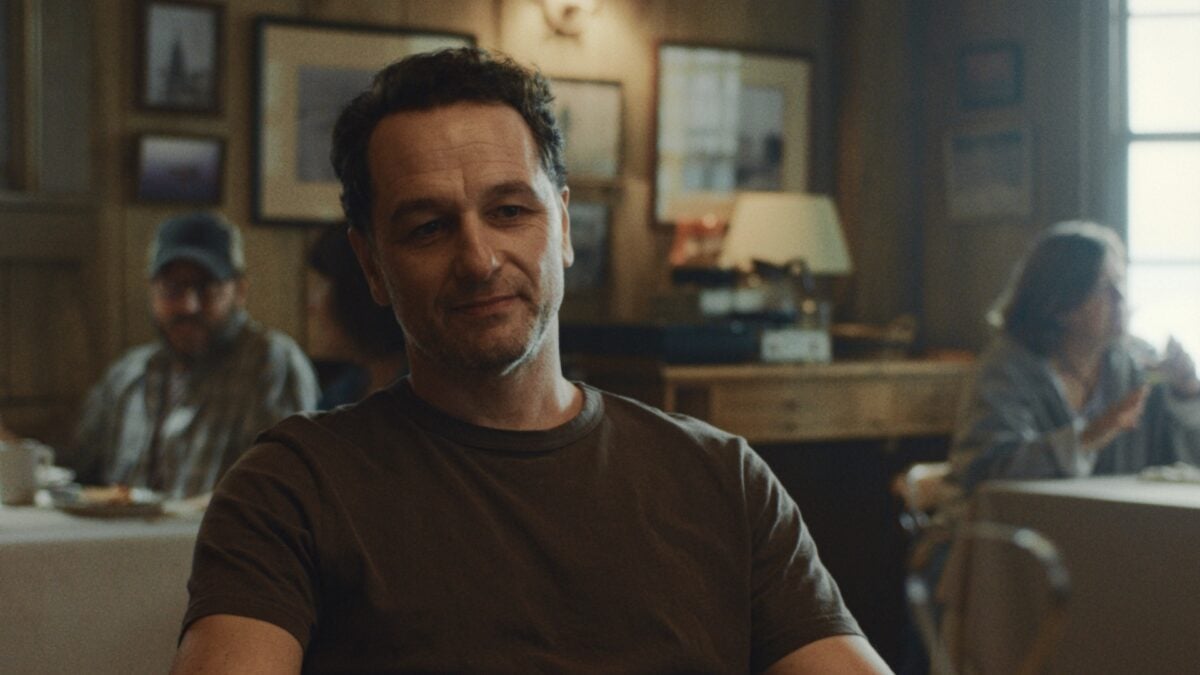
From comedy-adjacent idea to immersive horror world
Kate Dippold says Widow's Bay did not begin as the version audiences now know. In comments reported by Deadline and summarized by Gizmodo, the creator described the earliest script as a "much jokier" spec that grew out of the same creative sensibility that informed her work on Parks & Recreation. That version, she suggested, may have shown her comic instincts clearly, but it was not yet the fully formed series that would eventually reach Apple TV+.
What changed was not simply tone. Dippold said she wanted viewers to feel immersed in the island itself, to experience the setting as a place with its own hidden corners, local menace, and tactile atmosphere. Instead of leaning into spoof, she pushed the material toward a more committed kind of horror, one rooted in mood and geography. That shift helps explain why Widow's Bay has been discussed less as a parody exercise and more as a genre series with a distinct point of view.
A setting built to be explored
Dippold framed the show's evolution around a simple creative desire: she wanted to explore the island. In her telling, the place had to feel broad enough to contain "nooks and crannies" and frightening pockets that reward curiosity. That detail matters because it suggests the series was designed from the inside out. The island is not a neutral backdrop for plot beats; it is the engine that shapes tone, pacing, and suspense.
That approach lines up with the way many successful horror stories work. Fear becomes more durable when it is tied to environment rather than just jump scares or one-off reveals. Dippold's comments imply that Widow's Bay earned its identity by committing to that deeper world-building. A lighter, more self-aware version may have been easier to pitch, but the stronger version was the one that asked the audience to believe in the island first.
Childhood thrills, adult craft
Dippold also connected the show's emotional texture to her own childhood experiences. She recalled annual summer trips to New Jersey, including visits to what she described as a "lawless and terrifying" boardwalk, and memories of exploring abandoned homes with friends before running away screaming. Those stories are revealing not because they offer biographical trivia, but because they identify the sensation she was trying to recreate.
She described loving the combination of fear and laughter, the giddy anticipation before entering a scary place, the burst of panic, and the quick urge to go right back. That mix is central to a certain strain of horror-comedy: the audience is not only frightened, but energized by the experience of being frightened. The underlying emotion is delight as much as dread.
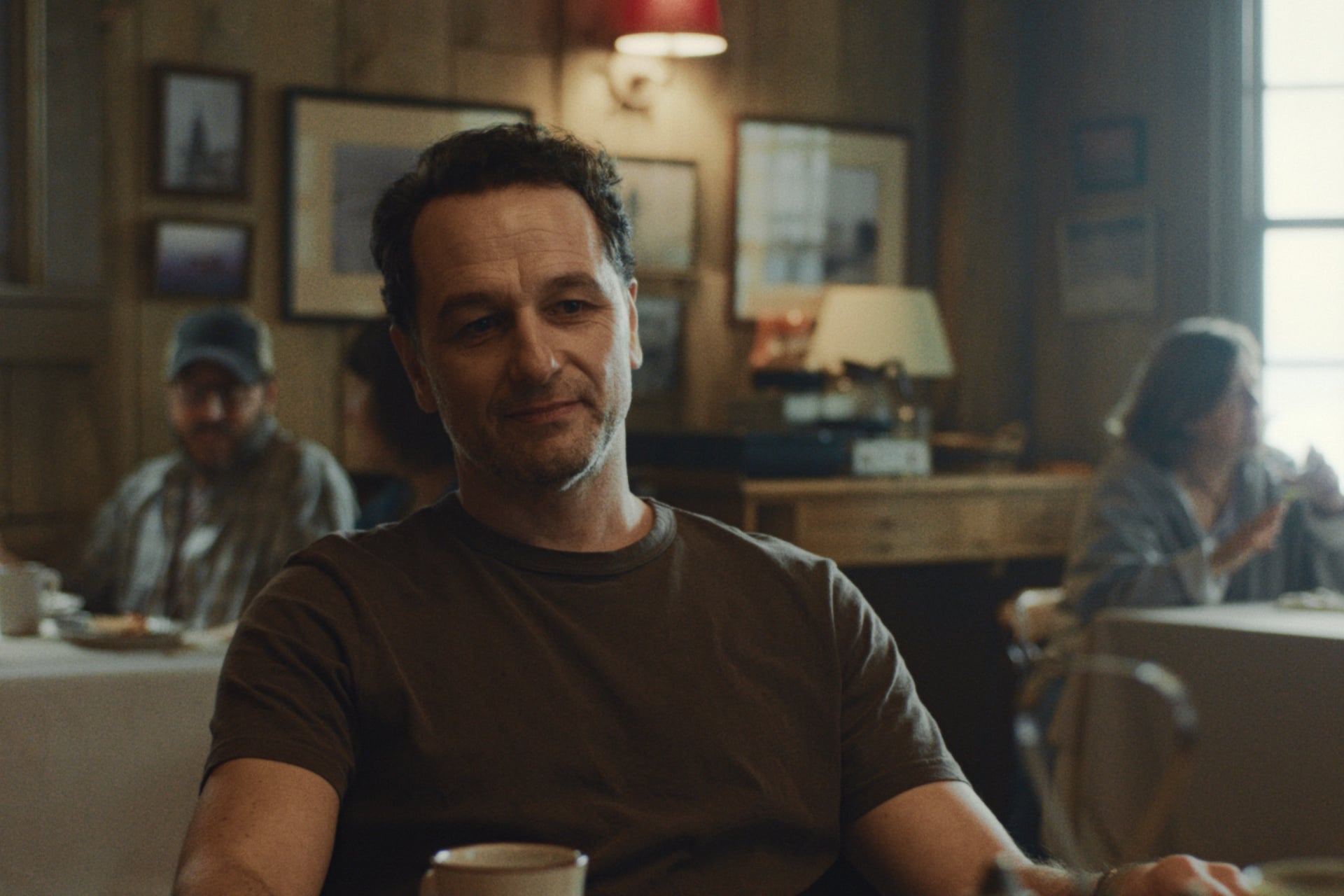
In that sense, Widow's Bay appears to be less about parodying horror than about honoring the pleasures of it. Dippold's comments make clear that she wanted television to capture the same feeling she chased as a kid, where terror and excitement were inseparable.
Why the show's first season appears to have connected
According to Gizmodo's summary, the series is ending its first season with strong reception, a second season ahead, and early awards attention in the conversation. That trajectory suggests Dippold's tonal recalibration paid off. Rather than staying in a lane that might have felt too broadly comedic, she found a version of the material that gave the premise room to breathe.
There is also a wider lesson here about genre development. Many projects begin as rough hybrids, carrying traces of earlier work or familiar industry expectations. The notable part of Dippold's account is that she recognized those limits and steered toward a more immersive, less overtly jokey approach. For creators moving between comedy and horror, that can be a difficult balance to strike. In this case, it seems to have defined the show's appeal.
The timing adds one more note of momentum. Gizmodo says the first-season finale arrives on Apple TV+ on Wednesday, June 17. That gives the finale a built-in sense of culmination at the same moment the show's origin story is coming into clearer focus. Viewers are not just watching an ending; they are seeing the payoff of a creative process that moved from a clever spec to a fuller, stranger world.
The bigger creative takeaway
Dippold's explanation of Widow's Bay is useful because it shows how genre ideas sharpen. A project may start with a strong voice, but that is not always enough. Sometimes what matters most is the decision to stop winking and start believing in the world. Widow's Bay seems to have made exactly that turn.
- The series originated from a much jokier script linked to Dippold's earlier comedic sensibility.
- Dippold reshaped it around immersion, wanting the island to feel real and explorable.
- Her childhood experiences with scary places helped define the show's mix of fear and exhilaration.
- Strong reception and a second season suggest that tonal shift resonated.
This article is based on reporting by Gizmodo. Read the original article.
Originally published on gizmodo.com


