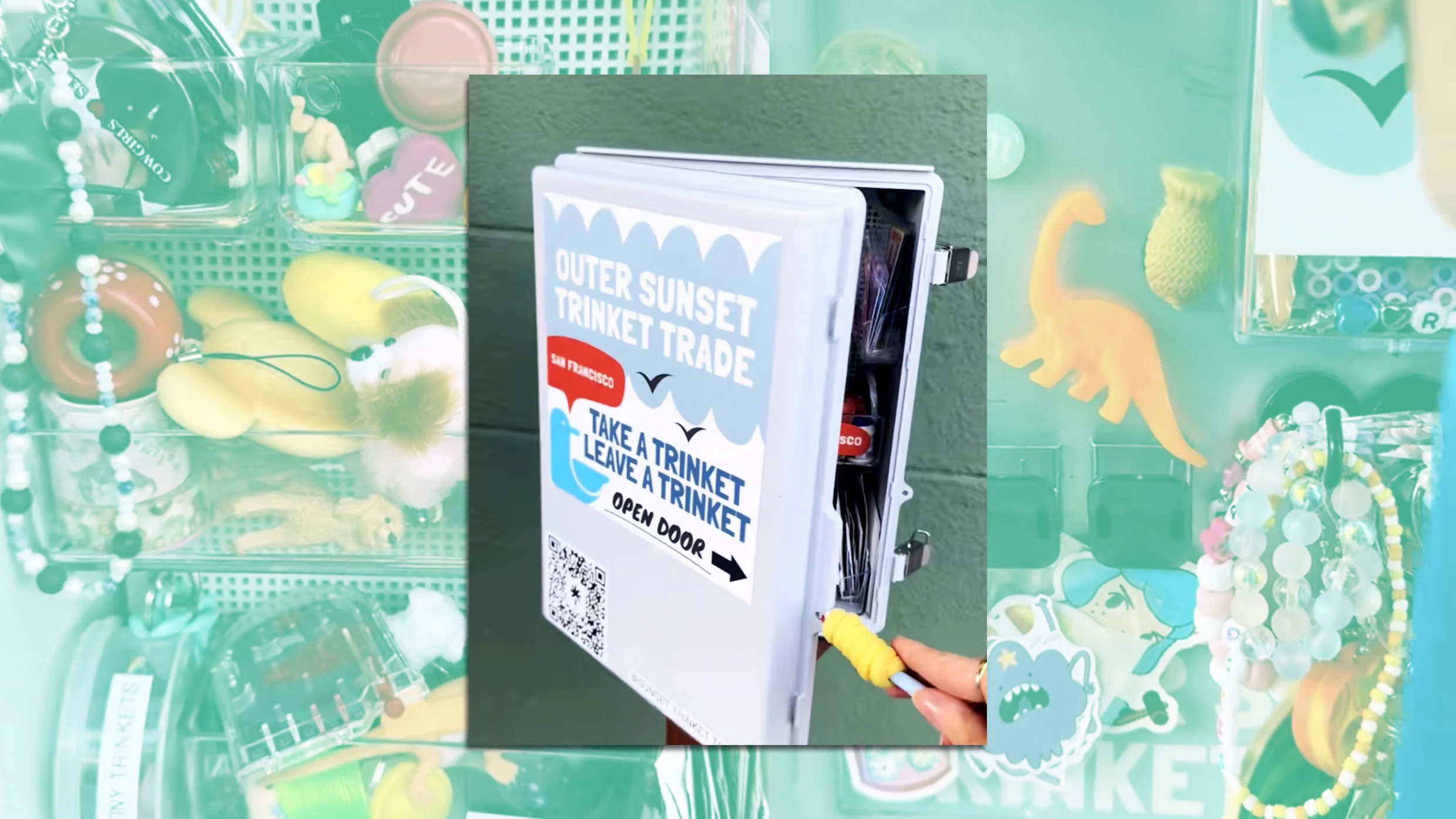
A Delightful Detour: How Trinket Trading Boxes Are Bringing Communities Back to the Physical World
Across major cities, an unlikely phenomenon is unfolding on sidewalks and street corners. Repurposed electrical junction boxes, affixed to fences and utility poles, have transformed into community treasure chests brimming with keychains, vintage stickers, miniature figurines, and assorted novelties. These unassuming containers represent far more than quirky street art—they embody a growing cultural shift toward tangible, offline experiences in an increasingly digital world.
From Philadelphia to the Nation: A Movement Takes Shape
The trinket trading phenomenon originated in Philadelphia, where an account documenting the contents and exchanges within a repurposed junction box launched on TikTok in September 2024. What began as a single community project has since exploded into a nationwide movement, with participating cities including New York, San Francisco, Denver, and numerous other metropolitan areas establishing their own exchange stations. The concept operates on a single, elegant principle: "Give a trinket, take a trinket."
The spread reflects organic community engagement rather than top-down marketing. Content creators have enthusiastically documented their discoveries and contributions through vlog-style videos, while community organizers announce new box locations and encourage neighbors to participate. These digital documentations paradoxically promote an analog activity, creating a bridge between online platforms and offline interaction.
The Broader Context: Collectibles and the Trinket Phenomenon
The timing of trinket boxes aligns with a broader global fascination with small collectibles and mystery boxes. Since their 2019 market debut, Labubu figurines have achieved cult status, culminating in a viral craze during 2025. Similar collectible lines including Smiskis and Sonny Angels have generated comparable enthusiasm across social platforms, with blind box unboxing videos becoming a consistent content category. Major retailers including Michaels and Walmart have capitalized on this momentum by introducing their own mystery box collections.
What distinguishes trinket boxes from commercial collectible markets is their fundamental philosophy. Rather than encouraging consumption and purchase, these community exchanges promote sustainability and the principle that discarded items possess value for someone else. The boxes function as physical manifestations of the sharing economy, operating without transaction costs or commercial intermediaries.
Analog Life Ascendant: A Counter-Movement to Digital Saturation
Trinket boxes represent one expression of a larger cultural phenomenon gaining significant momentum. According to data shared with reporting outlets, the hashtag #AnalogLife has experienced a 330 percent increase in usage during the past year. The Global Wellness Summit identified "analog wellness" as a prominent trend for 2025, reflecting widespread recognition that digital saturation creates genuine wellness concerns.
This movement encompasses diverse activities and aesthetic choices:
- Analog bags and screen-free accessories gaining popularity among younger demographics
- Resurgence of traditional correspondence and snail mail participation
- Revival of "grandma hobbies" including knitting, gardening, and handcrafted pursuits
- Geocaching and similar location-based treasure hunts
- Little free libraries and community-sharing initiatives
These seemingly disparate trends share common DNA: they prioritize tangible experience, community connection, and intentional offline time as counterweights to constant digital engagement.
The Psychology of Surprise and Serendipity
Trinket boxes tap into psychological principles that explain their appeal across age groups. The element of surprise—not knowing what awaits in the box—creates genuine moments of delight absent from curated digital feeds. This unpredictability contrasts sharply with algorithmic recommendation systems designed to predict preferences with increasing accuracy.
Additionally, the act of physical discovery requires presence and attention. Walking to a specific location, opening a box, examining contents, and making exchange decisions demand engagement that cannot be passively consumed. This requirement for active participation may explain the trend's particular resonance during an era marked by concerns about digital fatigue and "brain rot."
Sustainability Meets Serendipity
Beyond their psychological appeal, trinket boxes address legitimate environmental and consumer culture concerns. Each exchange represents an alternative to disposal and replacement, extending object lifecycles and reducing waste streams. The boxes democratize access to novelty items regardless of economic status, creating equitable distribution of small treasures.
This sustainability dimension distinguishes trinket trading from other collectible trends driven by acquisition and accumulation. The philosophy embedded in the exchange model—that items retain value through circulation rather than ownership—challenges dominant consumer paradigms.
Looking Forward: Whimsy as Wellness
As digital wellness concerns continue gaining prominence, trinket boxes exemplify how communities can engineer moments of analog joy. These modest metal containers, filled with forgotten keepsakes and small wonders, represent deliberate choices to prioritize serendipity over algorithms, surprise over curation, and community over consumption. Whether this particular trend sustains long-term or evolves into different expressions, the underlying impulse—seeking meaningful offline experiences—appears positioned to define cultural movements throughout the coming years.
This article is based on reporting by Fast Company. Read the original article.
Originally published on fastcompany.com