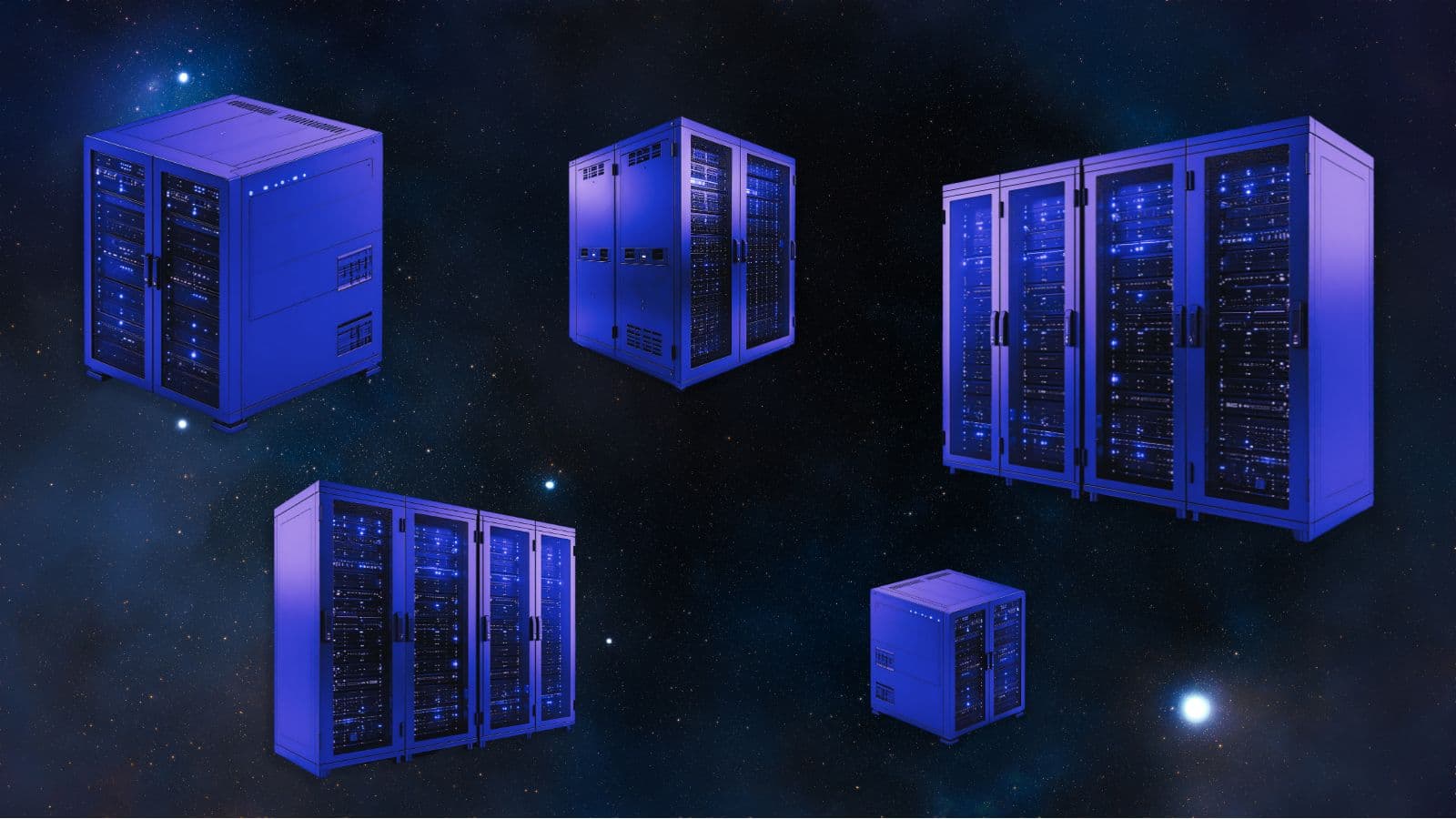
The Final Frontier for Cloud Computing
The idea of putting data centers in space once belonged firmly to the realm of science fiction. But a wave of startups and established aerospace companies are now actively developing orbital data center concepts, and several have secured significant funding to turn their plans into reality. The driving logic is compelling: space offers virtually unlimited solar power, passive cooling in the vacuum of near-absolute-zero temperatures, and — perhaps most controversially — freedom from the jurisdictional constraints that govern terrestrial data infrastructure.
According to Rest of World, this emerging industry is raising urgent questions about data sovereignty, environmental impact, and the governance of space-based infrastructure that operates beyond the reach of any single nation's regulatory framework.
Why Space Makes Engineering Sense
Terrestrial data centers face several growing challenges. They consume enormous amounts of electricity — an estimated 1 to 2 percent of global electricity production — and generate vast quantities of waste heat that must be managed through energy-intensive cooling systems. As AI workloads drive demand for ever-larger computing clusters, these power and cooling requirements are straining electrical grids and water supplies in communities near major data center hubs.
Space addresses both problems elegantly. In orbit, solar panels can generate continuous power without atmospheric interference, and the near-vacuum environment provides passive cooling that eliminates the need for energy-intensive air conditioning and water-based cooling systems. The theoretical energy efficiency gains are substantial, potentially reducing the total energy cost of computation by eliminating cooling overhead that accounts for roughly 40 percent of a terrestrial data center's power consumption.
There are also latency advantages for certain applications. A constellation of orbital data centers could provide low-latency service to any point on Earth, including remote regions far from terrestrial internet infrastructure. This could be particularly valuable for real-time applications like autonomous vehicle coordination, global financial trading, and military communications.
The Companies Leading the Charge
Several companies have emerged as leaders in the orbital data center space. Lumen Orbit, a U.S. startup, has raised significant venture capital to develop modular data center units designed for deployment in low Earth orbit. The company envisions a constellation of orbital computing nodes that can be launched on commercial rockets and linked together to provide scalable cloud computing capacity.
European startup OrbitsEdge has been developing hardened computing platforms designed to operate in the harsh space environment, focusing initially on edge computing applications for satellite operators and space agencies. And established aerospace companies, including Thales Alenia Space, have conducted feasibility studies for orbital data centers as part of broader visions for space-based infrastructure.
The falling cost of launch — driven primarily by SpaceX's reusable Falcon 9 and the anticipated even lower costs of its Starship vehicle — has been a crucial enabler. What was economically unthinkable a decade ago is becoming financially plausible as the price of putting a kilogram into orbit continues to drop.
- Terrestrial data centers consume 1-2% of global electricity, with cooling accounting for roughly 40% of power use
- Orbital data centers could leverage unlimited solar power and passive vacuum cooling
- Multiple startups have secured funding to develop modular orbital computing platforms
- Falling launch costs are making space-based data infrastructure economically viable
The Regulation Gap
Perhaps the most consequential aspect of the orbital data center trend is the regulatory vacuum in which it is developing. Data centers on Earth are subject to the laws of the country in which they are located — including data protection regulations like the EU's General Data Protection Regulation (GDPR), national security laws governing data access, and environmental regulations governing energy use and water consumption.
A data center in orbit exists in a fundamentally different legal context. The Outer Space Treaty of 1967 establishes that space is the province of all humanity and cannot be claimed by any nation, but it assigns jurisdiction over space objects to the state that registered them. This means an orbital data center registered by a country with minimal data protection laws could potentially process data from citizens of countries with strict privacy regulations, creating a regulatory arbitrage opportunity.
Several countries have already raised concerns about this possibility. EU officials have noted that orbital data centers could be used to circumvent GDPR requirements, particularly the regulation's restrictions on transferring personal data outside the European Economic Area. China has expressed concern about the security implications of orbital computing infrastructure operated by foreign companies.
AI Sovereignty in Orbit
The intersection of orbital data centers and artificial intelligence adds another layer of complexity. As governments around the world grapple with how to regulate AI, the question of where AI models are trained and deployed has become increasingly important. Several countries have begun implementing AI sovereignty requirements that mandate AI systems processing domestic data be hosted within national borders.
Orbital data centers could complicate these requirements by creating a class of computing infrastructure that is technically not within any nation's borders. A company could theoretically train AI models on an orbital platform using data aggregated from multiple countries, potentially evading national AI regulations and data localization requirements.
Environmental Considerations
The environmental implications of orbital data centers are debated. Proponents argue that removing data center cooling loads from terrestrial power grids would reduce carbon emissions and water consumption. Critics note that the manufacturing and launch of orbital hardware has its own environmental footprint, including the carbon emissions from rocket launches and the growing problem of space debris.
As more objects are placed in orbit, the risk of collisions increases, potentially contributing to a cascade of debris known as Kessler syndrome that could make certain orbital altitudes unusable. Any large-scale deployment of orbital data centers would need to include robust deorbiting plans to ensure the hardware is safely disposed of at end of life.
The race to put data centers in space is accelerating faster than the international community's ability to establish governance frameworks for this new category of infrastructure. How that gap is closed — or whether it persists — could have lasting implications for data privacy, digital sovereignty, and the future of computing itself.
This article is based on reporting by Rest of World. Read the original article.