Heat becomes the next flashpoint in the data center debate
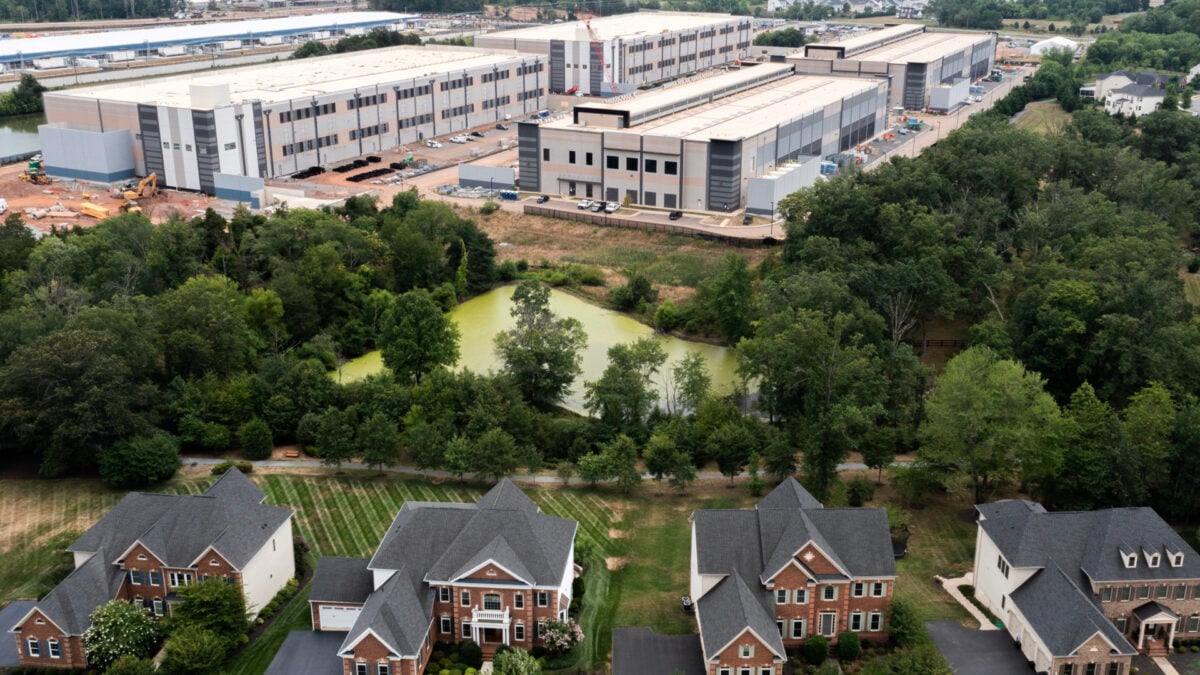
Data centers have already become a focal point in fights over water use, electricity demand, air quality, and land use. Now a new preprint study suggests they may also be reshaping local temperatures well beyond their fences. According to the report, large facilities can create heat islands that extend as far as six miles from a site, warming nearby land and potentially adding a new environmental burden to the communities hosting fast-growing digital infrastructure.
The study, cited in reporting on April 3, says researchers used remote sensing to measure land surface temperatures around AI-linked data centers. Their conclusion was striking: since operations began, surrounding land surface temperatures rose by an average of 2 degrees Celsius, or 3.6 degrees Fahrenheit. The paper argues that this effect is large enough to create localized microclimate zones and could eventually affect more than 340 million people worldwide.
Why land temperature matters
The researchers are not talking about a vague sense that server farms feel warm. They are pointing to a pattern similar to the urban heat island effect, the well-documented tendency for built environments to trap and retain more heat than nearby rural areas. In cities, that extra heat can worsen rainfall disruption, intensify air pollution, and raise the risk of heat-related illness and death. The concern in this case is that concentrated digital infrastructure may be reproducing some of those same stresses in new places.
Land surface temperature is not the same as the air temperature shown in a weather app, but it is still a meaningful signal. It shows how much heat the ground and built surfaces are absorbing and radiating. If those temperatures trend upward around large data campuses, the effect could alter how neighborhoods, agricultural areas, and regional ecosystems behave, especially in already hot climates.

Where researchers say the effect is already visible
The preprint points to several regions where notable warming may already be tied to data center buildouts. Among the examples cited are the Bajio region of Mexico, Spain's Aragon province, and northeastern Brazil. In each case, the researchers argue that land surface temperatures climbed more sharply in data-center-heavy areas than in nearby comparison zones after these facilities entered service.
Those examples matter because they suggest the issue is not confined to one climate, grid system, or regulatory setting. If the pattern holds up under further scrutiny, the implication is that the thermal footprint of data infrastructure may be a global planning problem rather than a local oddity. That would put the environmental costs of AI expansion in a broader frame than the current debate, which has mostly focused on power contracts, transmission constraints, and freshwater supplies.
An industry growing faster than local policy
The timing is difficult for both companies and regulators. The world is in the middle of a data center construction surge, with thousands of projects planned or underway in the United States alone. AI has intensified demand for large, power-hungry campuses, and communities are often asked to evaluate projects quickly because of promises of investment, tax revenue, and high-tech jobs. But the faster these facilities spread, the harder it becomes to treat each project as an isolated site decision.
The report's broader argument is that heat should now be part of that public review. If giant clusters of servers, cooling systems, and related equipment are measurably warming the land around them, then zoning fights and permitting hearings will likely widen. What began as a conversation about megawatts and water rights could become a conversation about neighborhood livability, public health, and regional climate resilience.

What this means for AI's social license
The data center industry has insisted that digital infrastructure is essential to economic development and the next generation of computing. That case is only getting stronger as AI services spread into business software, consumer tools, research workflows, and public services. But the more essential these facilities become, the less likely communities are to accept environmental blind spots around them.
The preprint does not close the matter. It is an early-stage paper, and the findings will need to be tested, challenged, and replicated. Even so, the warning is hard to ignore because it fits a larger pattern: the costs of computation are proving more physical than the digital economy once implied. AI may run in the cloud, but its consequences are showing up in transmission queues, water tables, electricity bills, and, if this study is right, in the heat held by the ground itself.
That makes this more than a narrow scientific curiosity. It is a governance problem arriving just as countries and corporations are racing to build the hardware for the next computing era. If data centers are creating measurable heat islands around host communities, then future planning decisions will need to account not only for how much power AI uses, but also for how much heat it leaves behind.
This article is based on reporting by Gizmodo. Read the original article.
Originally published on gizmodo.com