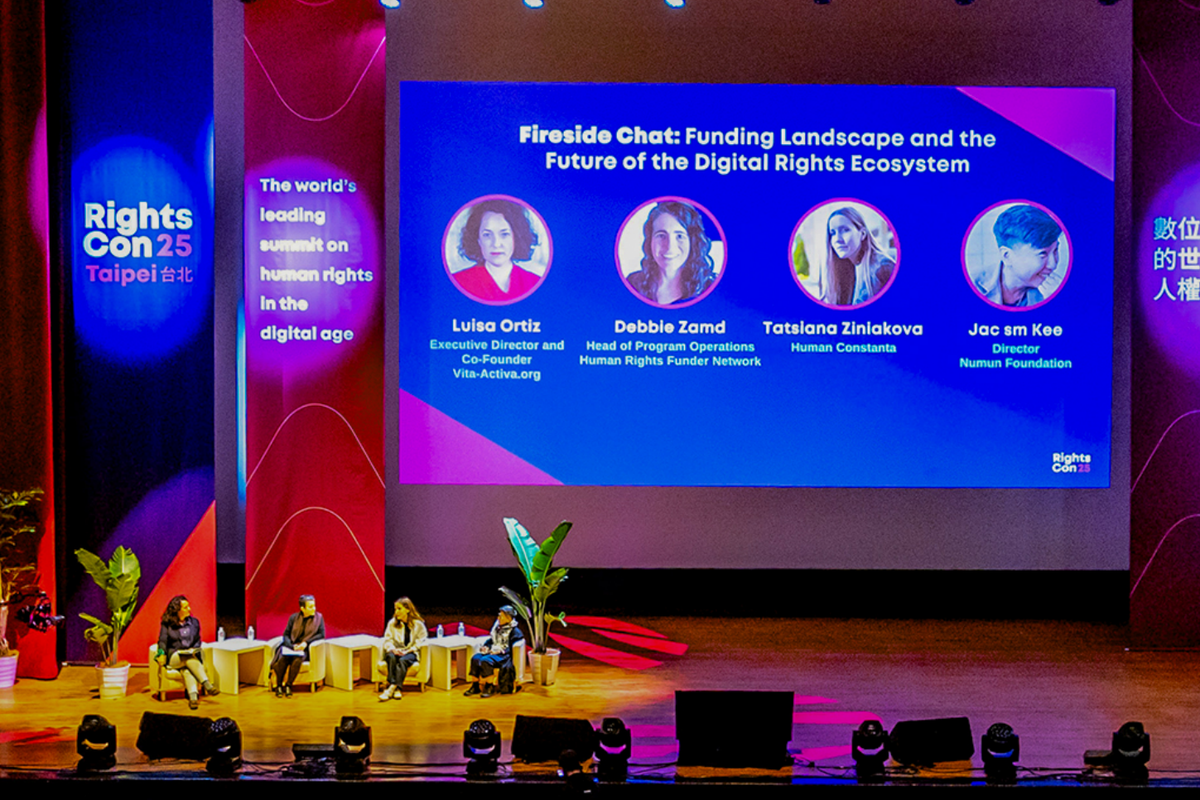
A major digital rights gathering unraveled in real time
One of the world’s most prominent digital human rights conferences has abruptly collapsed just as attendees were preparing to converge on Lusaka. RightsCon, a flagship event for researchers, advocates, academics, policy specialists, and civil society groups working on technology and rights, was first postponed by Zambian authorities and then canceled altogether, according to an update circulated by organizer Access Now and reported by 404 Media.
The speed of the reversal is what makes the episode remarkable. Participants were already making travel plans, and some were reportedly en route, when Zambia’s government announced it was delaying the conference. Soon after, a board member of Access Now reportedly wrote on an academic listserv that the event had been canceled, and the organization followed with an email stating that RightsCon would not proceed in Zambia or online and advising registered participants not to travel to Lusaka.
For a conference that functions as a global convening point on surveillance, internet governance, platform power, digital safety, and civil liberties, the disruption is more than a logistical failure. It has immediate implications for international coordination among groups that rely on in-person trust-building and time-sensitive discussions around policy and rights.
From postponement to cancellation
The first formal signal came on April 28, when Zambia’s Minister of Technology and Science, Felix Mutati, announced that the event would be postponed. According to the report, he said Zambia needed more time to ensure the conference fully aligned with national procedures, diplomatic protocols, and the goal of a balanced, consensus-driven platform for dialogue.
He also cited unresolved administrative and security clearances affecting certain invited speakers and participants. That explanation framed the move as procedural rather than ideological, but the practical effect was immediate: confusion among attendees, uncertainty for sponsors and partners, and a cloud over one of the sector’s central annual meetings.
The later communication from Access Now sharpened the situation. Rather than describing a rescheduling window or a partial change of plans, the message said RightsCon would not proceed in Zambia or online. In other words, this was not merely a venue disruption or a temporary pause. It became a full cancellation of the planned event format.

Why this matters beyond the conference circuit
RightsCon is not just another industry gathering. It is a rare space where technical experts, activists, academic researchers, nonprofit organizations, companies, and government representatives overlap around questions that often cut across borders. When such an event falls apart at the last minute, the immediate damage includes travel disruption and wasted organizational effort. But the deeper damage is to coordination.
Digital rights work often depends on timely coalition building. Policy windows can be short. Security concerns can evolve quickly. Cross-border harms related to censorship, surveillance, platform governance, and online safety frequently require informal as well as formal collaboration. Conferences like RightsCon provide an infrastructure for that collaboration, even if that infrastructure is less visible than panels and public speeches.
The cancellation also lands in a politically sensitive area of tech governance. A conference centered on rights, accountability, and open digital debate being halted over participant and clearance issues will inevitably raise concerns across the community, even when official explanations emphasize procedure and protocol.
The governance and reputational questions now in play
Based on the available reporting, several questions now become central. The first is transparency: what specific issues led to the government’s intervention, and why did those issues surface so close to the event? The second is institutional resilience: how will organizers handle the practical fallout for participants and partners who committed time and resources to attend? The third is reputational: what does this do to confidence in future host-country arrangements for major international rights and technology events?
The source reporting describes broad support from civil society, government representatives, sponsors, and the wider community in the final 48 hours before cancellation. That detail matters because it suggests the event had a substantial coalition willing to see it proceed. Even so, support was not enough to keep the conference on track.
For the broader digital policy world, the episode is a reminder that international convenings remain exposed to state decision-making even when they are framed as multistakeholder platforms. Organizers can build global brands and sophisticated programs, but they still depend on local permissions, diplomatic management, and the political tolerance of host governments.
What stands out in the reported sequence
- Zambia announced a postponement only days before the event, citing procedures, diplomatic protocols, and unresolved clearances.
- Access Now then told participants the conference would not proceed in Zambia or online.
- Some attendees were already traveling, amplifying the disruption and confusion.
- The cancellation affects a key international forum for digital rights and technology governance.
RightsCon’s sudden collapse is significant precisely because of the role the conference plays. It is a node in the global digital rights ecosystem, not just a calendar event. When that node fails unexpectedly, the disruption ripples far beyond Lusaka. The next developments to watch are whether organizers provide a fuller explanation, whether an alternative gathering plan emerges, and what this episode means for future attempts to host major technology rights forums under politically sensitive conditions.
This article is based on reporting by 404 Media. Read the original article.
_.png)
Originally published on 404media.co


