Two dark fantasy series are chasing a different kind of emotional payoff
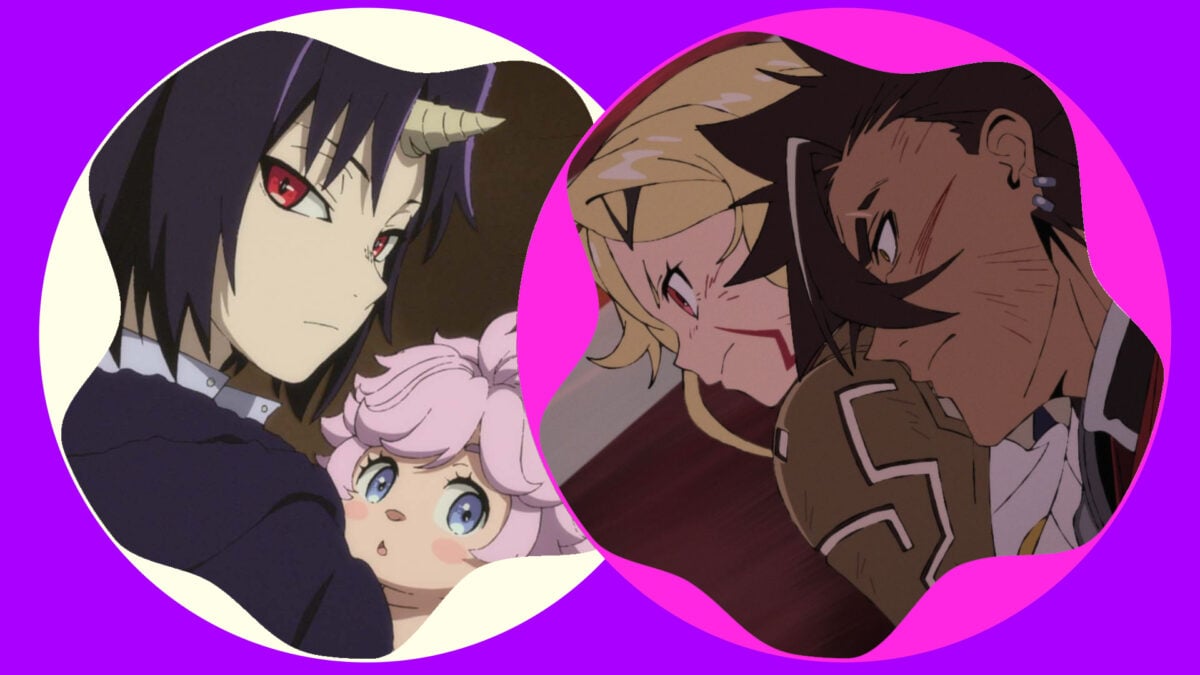
Fantasy anime has hardly been in short supply lately, but two newer series stand out for how they mix grim aesthetics with an unexpectedly warm emotional premise. In a recent write-up, Gizmodo singled out Sentenced to Be a Hero and Clevatess as action-heavy dark fantasy shows that also revolve around accidentally adopting a child. That framing may sound like a joke at first, but it points to something real about where parts of the genre are heading.
These are not being presented as contemplative fantasy dramas. Gizmodo places them closer to the indulgent, high-energy side of the genre, while arguing that both series avoid collapsing into pure misery. Instead, the article suggests that each show uses found-family dynamics to offset the visual and thematic harshness that often defines dark fantasy. That contrast appears to be the point: violence, danger, and apocalyptic stakes remain on screen, but they are paired with caregiving, comic timing, and reluctant attachment.
That combination helps explain why these titles feel timely. Fantasy anime has cycled through many dominant moods over the years, from grim heroic struggle to game-like quest structure to introspective character journeys. What these two shows appear to share is an effort to preserve the spectacle of dark fantasy while broadening its emotional range. Rather than treating tenderness as a separate genre lane, they build it directly into the machinery of action storytelling.
How Gizmodo frames the trend
Gizmodo describes the current wave of standout anime as heavily shaped by fantasy, citing the broader popularity of the form before narrowing to these two examples. The comparison is useful because it situates Sentenced to Be a Hero and Clevatess within a crowded field. The point is not that they are the only ambitious fantasy anime in circulation, but that they distinguish themselves by refusing a simpler dark-fantasy formula.
The article says some viewers might initially compare the shows to older grim fantasy touchstones because of familiar visual ingredients: gruff leads, oversized swords, and a generally miserable world. But Gizmodo’s actual argument is that the series are doing something more playful than those first impressions suggest. They borrow the surface codes of severity while structuring themselves around odd-couple and surrogate-family dynamics.
That shift matters because it changes how viewers process danger. In a straightforward dark fantasy, threat is often a tool for amplifying bleakness. In a found-family fantasy, threat also becomes the thing that reveals care, obligation, and emotional growth. A child in the narrative changes the stakes. It introduces vulnerability, but also responsibility, routine, and humor. Those elements can make a violent story more elastic without draining away its edge.

Clevatess and the monster-as-guardian twist
Of the two series, Gizmodo provides much more plot detail for Clevatess. The show, animated by Lay-duce, follows Alicia, one of three heroes assigned to kill Clevatess, one of the legendary dark beasts threatening the realm. The mission goes badly. Alicia is defeated and dies after an especially dramatic launch into the sky, only to be revived by the very creature she was supposed to destroy.
The reason, according to Gizmodo, is the series’ central inversion: after destroying the kingdom, Clevatess becomes interested in raising a kidnapped newborn infant who happens to be the crown prince destined to save the world. That premise alone tells you why the show caught attention. It turns a monster into a caretaker, a hero into an unwilling co-parent, and a prophecy-driven fantasy setup into something closer to a bizarre domestic adventure.
Gizmodo says the series develops into a found-family story filled with body horror, sharp tonal contrasts, and a growing ensemble that includes a half-orc wet nurse. Just as importantly, the article emphasizes that the show is funny. Humor is not treated as a side note here; it is part of what allows Clevatess to escape the trap of becoming dark fantasy for dark fantasy’s sake. Even the specific image of Clevatess taking child form and acting as a petulant straight man to Alicia’s gentler instincts suggests a series built on tonal friction rather than simple despair.
Sentenced to Be a Hero and the appeal of high-velocity fantasy
While Gizmodo offers less plot summary for Sentenced to Be a Hero in the supplied text, its placement alongside Clevatess is revealing. The article calls both series action-packed and dark fantasy in tone, while grouping them as examples of stories about accidentally taking in a child. That is enough to understand the editorial case being made: these are works that deliver the force and pace expected from the genre while softening their emotional center through caregiving dynamics.
Gizmodo also suggests that these shows function more like twists on whimsy-forward fantasy hits than as pure heirs to older grim epics. That framing does not diminish their action credentials. Instead, it points to a hybrid formula, one where battle spectacle and emotional warmth are interdependent rather than opposed. If fantasy anime has sometimes been split between “serious” violent worlds and more playful adventure frameworks, these shows appear to thrive by refusing to choose only one.
Why this matters beyond two titles
What makes these series worth watching as a cultural development is not just whether they are entertaining on their own terms. It is that they reflect a broader appetite for genre blends that preserve intensity without narrowing into cynicism. Viewers still want scale, danger, and stylized violence, but there is also growing room for stories where emotional attachment is not framed as weakness.
The accidental-parent setup has become a flexible storytelling engine across media because it creates immediate relational stakes. In anime, where worlds and power systems can become dense very quickly, a child can cut through exposition and clarify motive. Protecting someone is legible. Learning how to care is transformative. A damaged or reluctant protagonist becomes easier to invest in when responsibility forces change.
Based on Gizmodo’s write-up, Sentenced to Be a Hero and Clevatess tap that dynamic from within dark fantasy rather than outside it. They are not abandoning the genre’s weapons, monsters, or ruinous settings. They are testing how much more the genre can hold. If that approach continues to resonate, these shows may be remembered less as isolated curiosities and more as markers of a fantasy moment in which tenderness stopped being the thing that action had to pause for, and became part of the action itself.
This article is based on reporting by Gizmodo. Read the original article.
Originally published on gizmodo.com