When Marketing Authenticity Outshines $10 Million Ad Budgets
The Real Winner of Super Bowl LX May Have Been an Artist, Not an Advertiser
Super Bowl LX delivered a masterclass in modern marketing contradictions. While brands collectively spent between $8 million and $10 million for mere 30-second spots, one of the evening's most impactful moments came from an unexpected source: a musical performance that transcended traditional advertising entirely. The halftime show, headlined by Bad Bunny, demonstrated a fundamental truth about contemporary consumer engagement that many of the night's most expensive campaigns failed to grasp—authenticity resonates far more powerfully than celebrity-laden production value.
According to insights from Dara Treseder, Chief Marketing Officer at Autodesk, the Super Bowl LX advertisement landscape revealed a troubling trend in marketing strategy. Approximately 60 percent of the evening's advertisements featured celebrity endorsements, yet the return on investment for these costly placements proved disappointing. The celebrity marketing spend alone exceeded $250 million—a quarter-billion dollars invested with minimal measurable impact on consumer behavior or brand perception.
The Celebrity Problem: When Star Power Becomes a Liability
The disconnect between celebrity presence and marketing effectiveness emerged as a central theme throughout the evening. Brands appeared to operate under the assumption that assembling recognizable names would automatically generate engagement and conversion. Instead, the data suggests the opposite occurred. Treseder noted that many brands utilized celebrity talent without clear strategic purpose, essentially defaulting to star power as a substitute for genuine creative thinking.
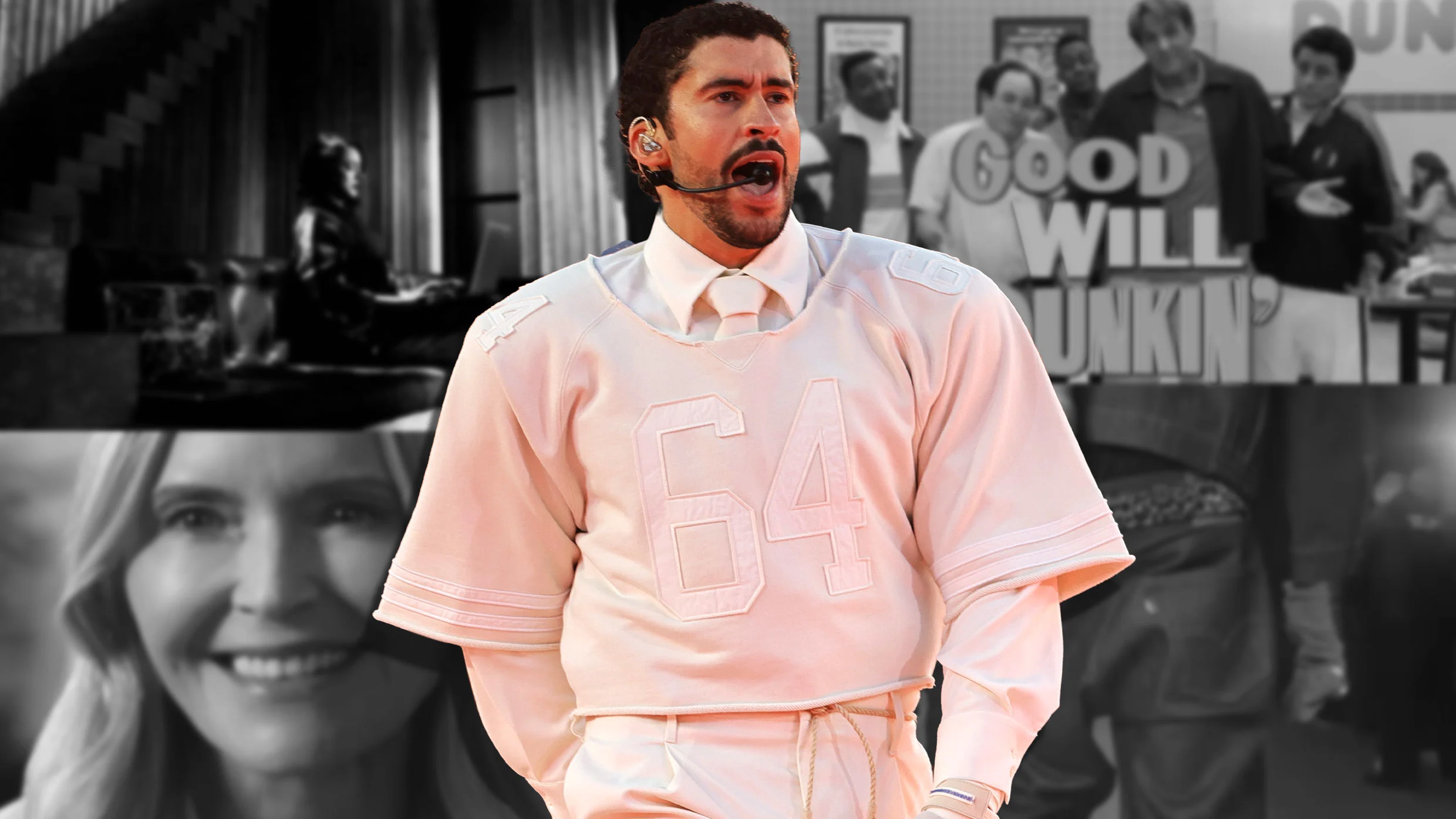
The most successful celebrity-driven campaign of the evening—Dunkin's "Good Will Dunkin'" featuring Ben Affleck—succeeded precisely because the casting made intuitive sense. The brand leveraged Affleck's well-documented personal preferences, creating a narrative that felt earned rather than manufactured. This stood in sharp contrast to other high-profile spots featuring actors like Scarlett Johansson, Jon Hamm, and Bowen Yang, where the rationale for their involvement remained unclear to viewers.
Similarly, Squarespace's Emma Stone advertisement cut through the noise not because of Stone's star quality but because of a single, memorable insight: the urgency of securing a domain name. The spot generated such resonance that it reportedly inspired children to consider their own digital presence, demonstrating how clarity of message trumps celebrity magnetism.
The Artificial Intelligence Advertising Glut
Approximately one-quarter of Super Bowl LX's commercial inventory focused on artificial intelligence applications and capabilities. This saturation created a peculiar dynamic where the category itself became diluted through overexposure. With the exception of Anthropic's boldly competitive campaign targeting OpenAI, the artificial intelligence advertisements largely failed to differentiate themselves or establish compelling reasons for consumer adoption.
The Anthropic campaign distinguished itself through strategic audacity. By directly challenging OpenAI's market position, the company generated conversation before, during, and after the broadcast. The willingness to take a competitive stance—and the resulting response from OpenAI's leadership—signaled that Anthropic had successfully penetrated the cultural conversation. However, Treseder cautioned that such aggressive positioning carries long-term consequences. Brands that make bold claims must be prepared to deliver on them consistently, or face public skepticism and potential backlash.
Beyond Anthropic, the artificial intelligence category produced what observers characterized as underwhelming results. Advertisements featuring Matthew Broderick promoting Genspark, for instance, struck many viewers as tone-deaf regarding legitimate public concerns about AI's societal implications. The collective effect suggested that artificial intelligence advertising had become a bandwagon phenomenon, with brands rushing to capitalize on technological relevance without sufficient creative rigor or strategic clarity.
The Simplicity That Succeeded
Among the evening's most effective campaigns were those that embraced conceptual simplicity. Levi's advertisement, which focused on the universal human form and the brand's inclusive sizing philosophy, generated organic conversation through its directness. The spot communicated a powerful message—that every body deserves representation—without requiring celebrity endorsement or technological gimmickry.
Rocket and Pepsi similarly achieved strong results through straightforward, well-executed creative approaches. These campaigns demonstrated that effective Super Bowl advertising need not rely on expensive celebrity placements or trendy technology references. Instead, they succeeded by identifying a clear consumer insight and executing that insight with precision and authenticity.
Bad Bunny's Unscripted Victory
The evening's most significant marketing moment, however, occurred during the halftime performance. Bad Bunny's decision to perform primarily in Spanish, punctuated by messages of unity and inclusivity, transcended traditional advertising metrics. Rather than attempting to appeal to every demographic simultaneously—a strategy that historically results in bland, ineffective messaging—Bad Bunny spoke directly to his core audience with complete authenticity.
The performance generated polarized reactions among viewers. Some audience members objected to the linguistic choice or the broader cultural inclusivity message. However, Treseder argued that attempting to satisfy objectors would have constituted a strategic failure. Instead, Bad Bunny succeeded by remaining true to his identity and values, thereby resonating powerfully with audiences who shared those values.
The halftime show represented a win not only for Bad Bunny but for Apple, which broadcast the event, and for the NFL, which continues positioning itself as a global entertainment property. The performance demonstrated that brands can achieve significant cultural impact by embracing authenticity and inclusive messaging, even when—or perhaps especially when—such choices generate controversy among certain segments of the audience.
The Overarching Lesson
Super Bowl LX ultimately revealed a marketing landscape characterized by confusion about fundamental principles. When brands attempt to speak to everyone simultaneously, they effectively speak to no one. The most successful campaigns—whether Anthropic's competitive positioning, Squarespace's domain-name insight, or Bad Bunny's cultural authenticity—succeeded by identifying a specific audience and serving that audience's values and needs with precision and sincerity. The $10 million price tag, it turned out, mattered far less than the clarity of vision behind the message.
This article is based on reporting by Fast Company. Read the original article.
Originally published on fastcompany.com