After splashdown, the scientific work is just beginning
NASA’s Artemis 2 mission has returned to Earth, but the mission’s most durable impact may now be starting. One week after the end of the historic 10-day flight, scientists and engineers are beginning to sort through what the mission produced: images of the Moon, biomedical data from the crew, and the first crewed deep-space test-flight record from the Orion spacecraft.
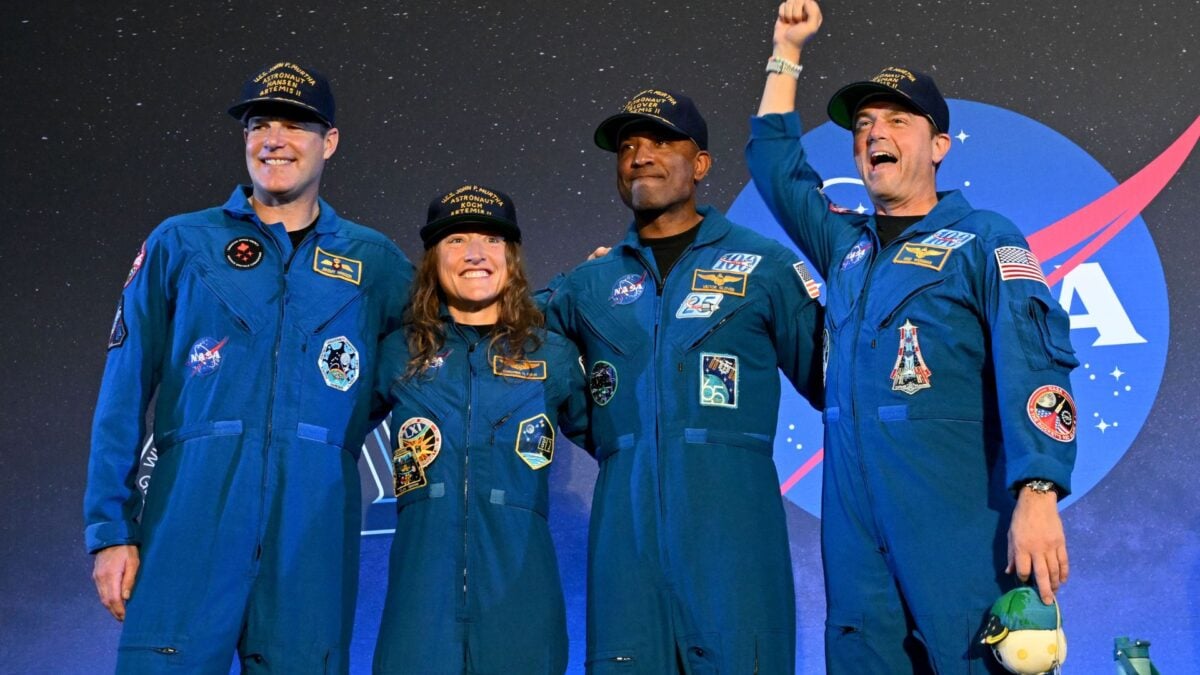
That transition, from voyage to analysis, is the focus of the post-mission discussion now unfolding around Artemis 2. The mission carried NASA astronauts Reid Wiseman, Victor Glover, Christina Koch, and Canadian Space Agency astronaut Jeremy Hansen farther from Earth than any humans had traveled before, according to the supplied source text. In doing so, it created a dataset that researchers say will shape lunar science, astronaut health studies, and the design of future deep-space missions.
A mission built for more than symbolism
Artemis 2 was historic because it was the first crewed test flight of Orion, but the source material makes clear that its importance is not limited to proving the spacecraft could fly people around the Moon and back. The mission also served as a research platform, collecting information that could influence how agencies prepare for longer voyages in deep space.
That is especially important because deep-space missions expose astronauts to stresses that differ from those in low Earth orbit. Microgravity remains a major factor, but radiation exposure also becomes more relevant as missions move farther from Earth’s protective environment. Artemis 2 offered a rare chance to gather data in that context during a real crewed flight.

Astronaut-derived tissue chips could help personalize space medicine
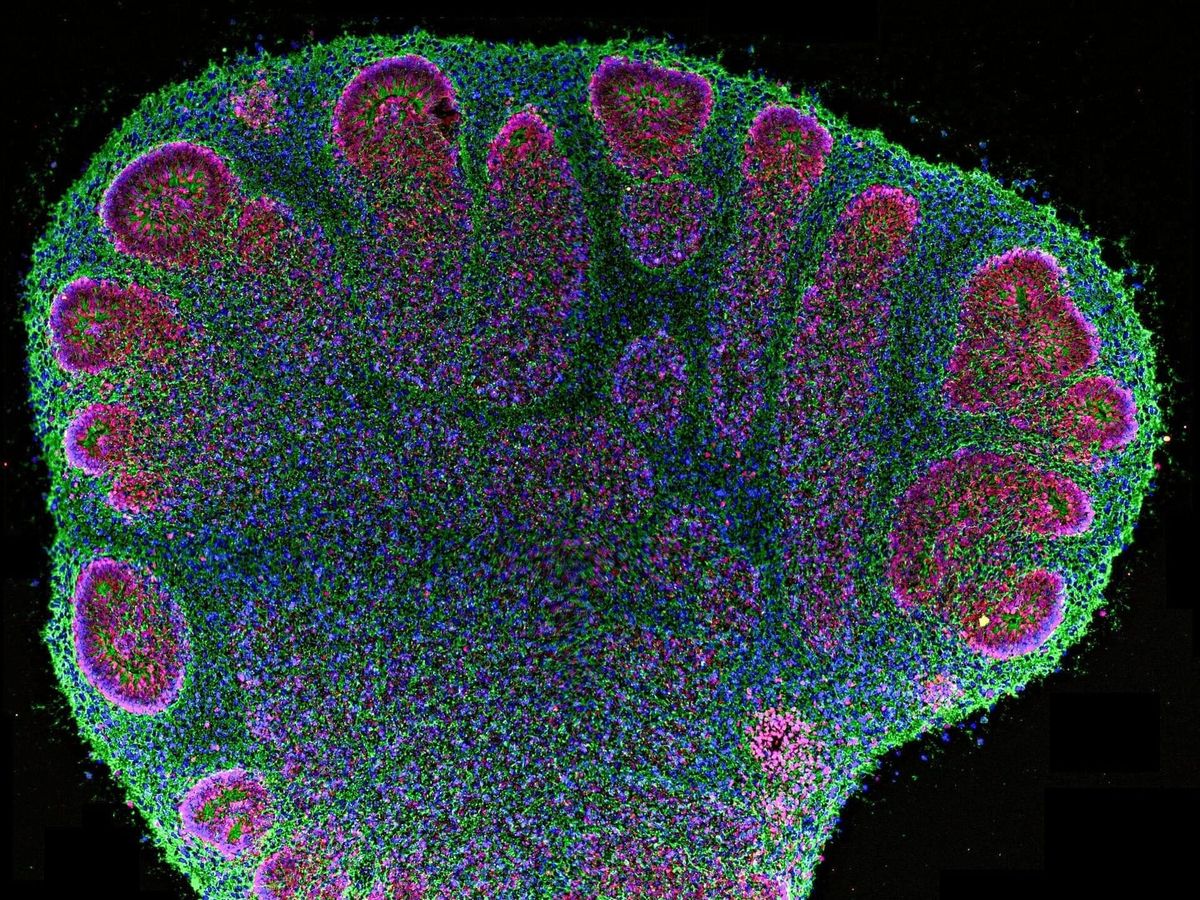
One of the most intriguing studies mentioned in the supplied text is AVATAR, which involved miniature tissue chips created from the astronauts’ own stem cells. In this case, the chips simulated bone marrow and were flown so NASA could investigate how 10 days of microgravity and deep-space radiation affect each astronaut’s tissues through a personalized biological model.
The concept is powerful because it bridges two kinds of measurement. Researchers can examine changes in the miniature bone marrow models and compare them with changes in the astronauts’ own blood cells, which originate in bone marrow. If those comparisons align, the platform could become a more reliable predictor of how individual astronauts respond to deep-space exposure.
The source text credits the Translational Research Institute for Space Health, a NASA-funded consortium based at Baylor College of Medicine, with helping standardize these human tissue chips so labs can produce them consistently. That standardization matters because a promising model is only as useful as its reproducibility. In future missions, the broader vision described in the text is to test astronaut-derived tissue chips before launch to predict damage risk and identify medications tailored to individual crews.
The implications could extend beyond spaceflight. The same personalized testing approach could eventually inform treatments for diseases on Earth, including cancer, if the platform proves reliable enough in practice.
Building a baseline for how humans adapt to space
The source material also points to NASA’s Standard Measures study, an effort to document how humans adapt to space in a standardized way. That kind of longitudinal framework is essential for turning one mission’s findings into a body of usable knowledge. A deep-space mission is too rare and too expensive to treat as a collection of isolated anecdotes.
Standardized measures allow scientists to compare responses across crews, durations, and mission profiles. They make it easier to distinguish what is specific to one astronaut or one flight from what might be a recurring pattern in human adaptation beyond low Earth orbit. Artemis 2 therefore matters not only because it generated new data, but because it generated data that can fit into a more systematic research architecture.

From engineering proof to operational preparation
There is also a practical aerospace dimension to what comes next. Artemis 2 was the first crewed test of Orion, so engineers now have a real mission’s worth of performance information to study. Even without going beyond the supplied text, the importance is evident: the spacecraft has now completed a crewed flight, and the people who build and operate it can compare expectations with actual mission behavior.
That process is how test missions mature into operational programs. Images of the Moon and records of human performance are part of the mission legacy, but so are quieter engineering lessons about systems functioning over a 10-day deep-space flight. Those lessons are likely to inform future Artemis planning, even if the specific post-flight findings will take time to emerge.
The meaning of the data phase
What makes Artemis 2 unusual is that its post-flight phase may prove just as consequential as the flight itself. High-profile missions often dominate attention while they are underway, then fade once the capsule returns home. Artemis 2 appears set to follow a different path. The mission was built not only to inspire, but to produce information scientists can mine for years.
That is why the current moment matters. The spacecraft is back, the crew is home, and the event itself is over. But the mission has now entered the stage where broad claims become measurable findings. Researchers are examining astronaut-derived tissue chips, comparing those models to crew biology, and folding Artemis 2 into wider efforts to understand how humans and hardware perform beyond Earth orbit.
If Artemis 2 marked the return of crewed lunar test flight as a lived reality, its data-analysis phase could determine how quickly that reality becomes a sustainable program. The headlines celebrated the journey. The next chapter will be written in the evidence the mission brought back.
This article is based on reporting by Gizmodo. Read the original article.
Originally published on gizmodo.com