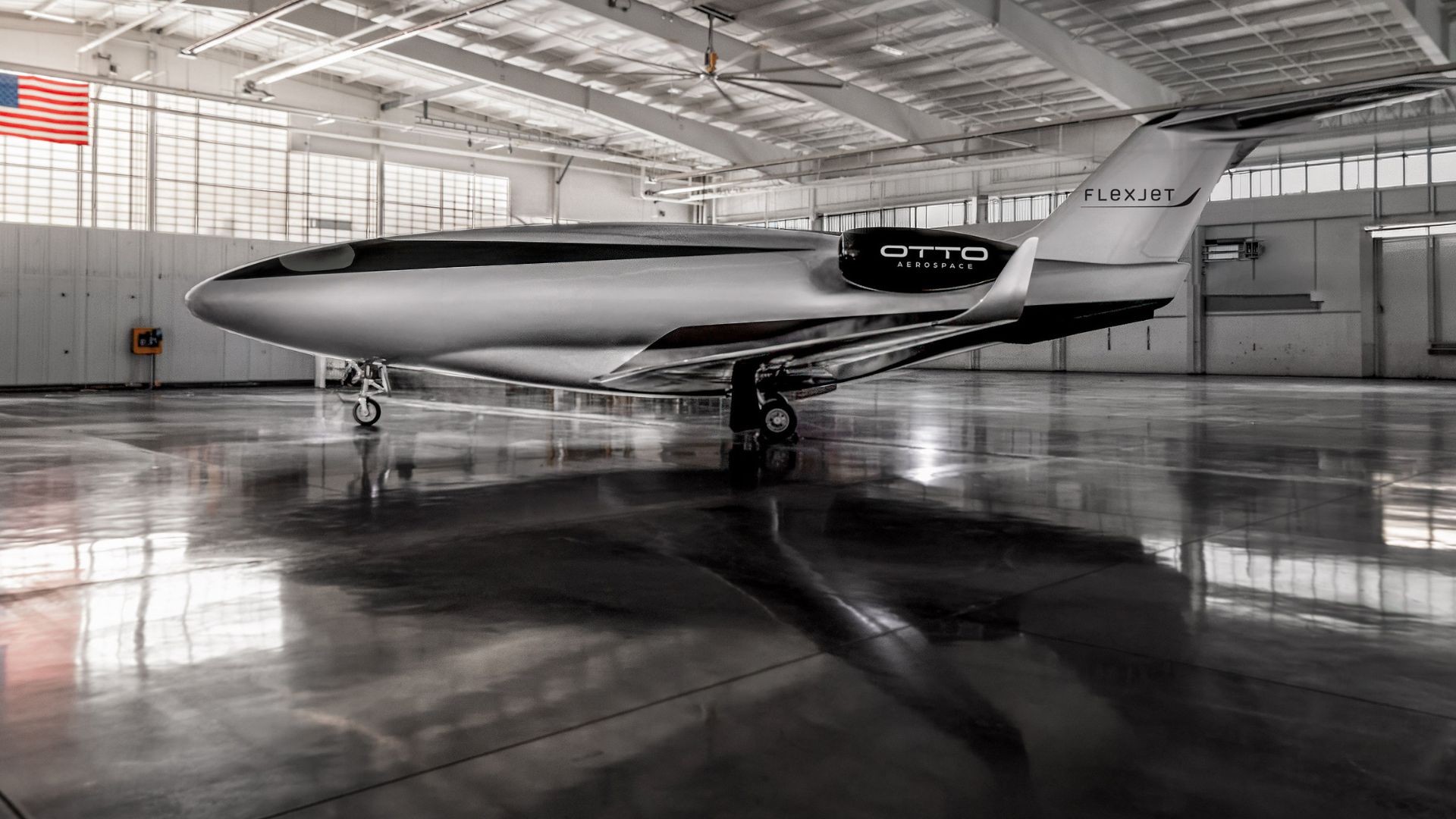
Phantom 3500 Clears Regulatory Hurdle
Otto Aerospace has achieved a significant milestone in the development of its unconventional Phantom 3500 aircraft, clearing a major regulatory hurdle that brings the windowless jet closer to commercial service. The company announced that the Phantom 3500 has received a key certification from the Federal Aviation Administration (FAA), marking a critical step toward entry into service. This certification validates the aircraft's design and safety features, paving the way for further testing and eventual production.
Revolutionary Design for Lower Emissions
The Phantom 3500 is designed to achieve 90% lower emissions compared to conventional aircraft of similar size. This ambitious goal is made possible through a combination of advanced aerodynamics, lightweight materials, and a novel propulsion system. The aircraft features a unique blended wing body design that reduces drag and improves fuel efficiency. Additionally, the Phantom 3500 is powered by hybrid-electric engines that significantly cut carbon emissions. Otto Aerospace claims that the aircraft will produce 90% fewer CO2 emissions per passenger mile than current regional jets.

Windowless Cabin: A Bold Innovation
One of the most striking features of the Phantom 3500 is its windowless cabin. Instead of traditional windows, the aircraft uses high-resolution OLED screens that display real-time exterior views captured by external cameras. This design eliminates the structural weaknesses caused by window cutouts, allowing for a lighter and more aerodynamic fuselage. The screens can also be used for entertainment or informational displays, enhancing the passenger experience. Otto Aerospace says the windowless design contributes to the aircraft's overall efficiency and lower emissions.
FAA Certification Process
The FAA certification received by Otto Aerospace is a type certificate for the Phantom 3500's airframe and systems. This certification confirms that the aircraft meets all applicable safety standards. The process involved extensive testing of the aircraft's structure, avionics, and propulsion system. Otto Aerospace worked closely with FAA engineers to address any concerns, particularly regarding the windowless cabin and emergency evacuation procedures. The company demonstrated that passengers can safely exit the aircraft using floor-level lighting and tactile cues, even without windows.

Market Potential and Use Cases
The Phantom 3500 is targeting the regional jet market, with a capacity of up to 50 passengers. Its low emissions and operating costs make it attractive for short-haul routes, where fuel efficiency is critical. Otto Aerospace envisions the aircraft being used by airlines looking to reduce their carbon footprint, as well as for private and corporate travel. The company also sees potential for military and cargo variants. With the FAA certification in hand, Otto Aerospace plans to begin production and deliver the first aircraft to customers by 2028.
Environmental Impact and Industry Response
The aviation industry is under increasing pressure to reduce its environmental impact, and the Phantom 3500 represents a significant step forward. If the 90% lower emissions claim holds true, the aircraft could set a new standard for regional aviation. Environmental groups have cautiously welcomed the development, though they emphasize the need for independent verification of emissions data. Industry analysts note that the Phantom 3500's success will depend on its ability to meet performance targets and compete with established aircraft manufacturers. Otto Aerospace is confident that the aircraft's innovative design will resonate with eco-conscious airlines and passengers.

Challenges Ahead
Despite the regulatory milestone, the Phantom 3500 faces several challenges before entering service. The aircraft must undergo additional testing, including flight tests to validate its performance and reliability. Otto Aerospace also needs to secure production funding and build a supply chain for its unique components. The windowless cabin may require regulatory approval for passenger acceptance, as some travelers may be uncomfortable without windows. However, the company believes that the benefits of the design will outweigh any initial skepticism.
Conclusion
Otto Aerospace's Phantom 3500 is a bold step toward a more sustainable future for aviation. With its windowless design and 90% lower emissions goal, the aircraft challenges conventional thinking about what an airplane can be. The recent FAA certification is a crucial validation of the aircraft's safety and design, bringing it one step closer to reality. As the aviation industry seeks to decarbonize, the Phantom 3500 offers a glimpse of what the future of flight might look like.
This article is based on reporting by Interesting Engineering. Read the original article.
Originally published on interestingengineering.com