Nvidia, Uber এর সম্পূর্ণ-স্ট্যাক Autonomous Driving Partner হয়ে উঠেছে
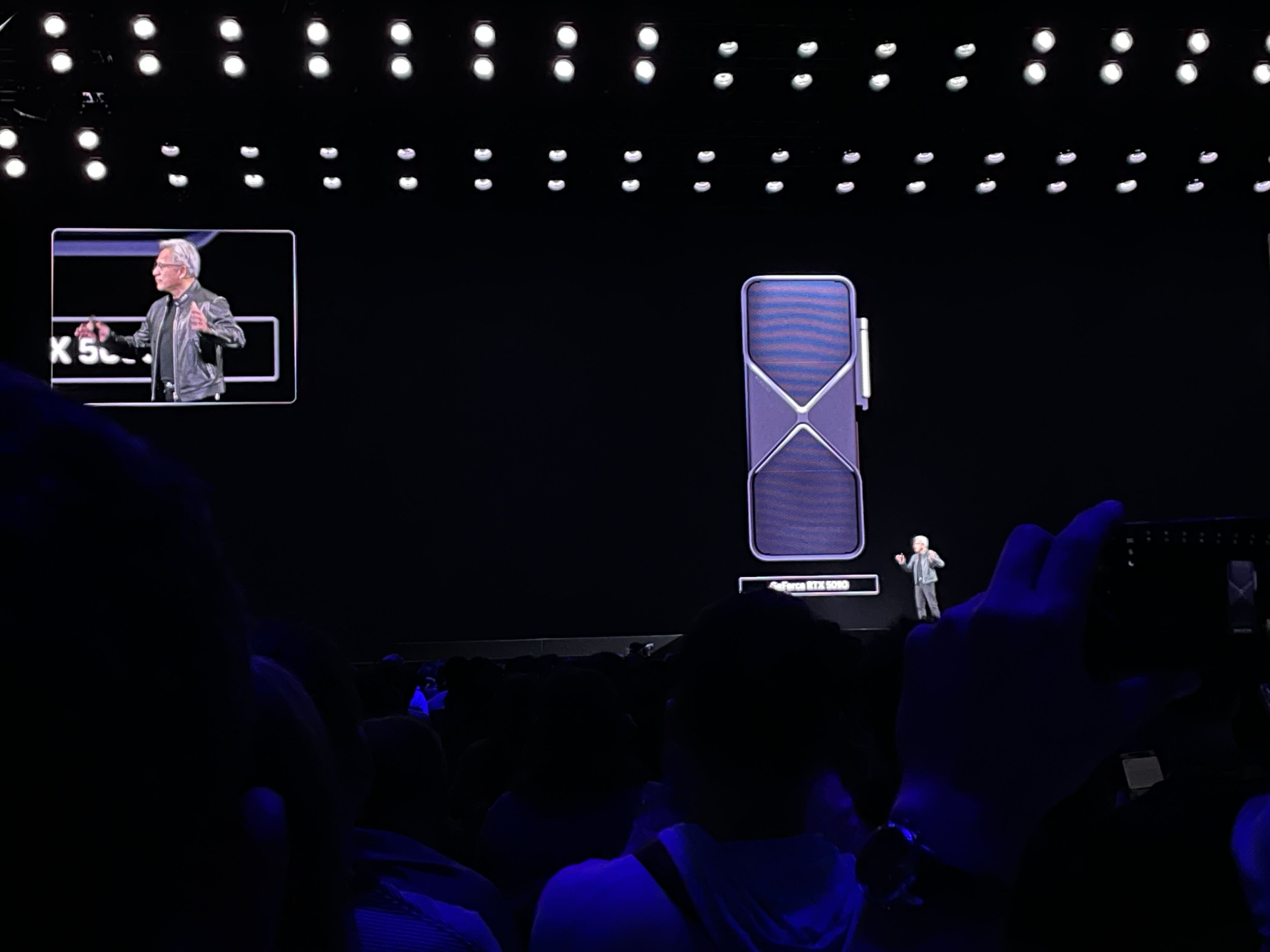
Nvidia এবং Uber একটি সম্প্রসারিত অংশীদারিত্ব ঘোষণা করেছে যা 2027 সালের প্রথম অর্ধেক থেকে শুরু করে Nvidia এর সম্পূর্ণ autonomous vehicle software platform কে Uber robotaxis কে বাণিজ্যিক স্কেলে শক্তি প্রদান করতে দেখবে। কোম্পানিগুলি Los Angeles এবং San Francisco থেকে শুরু করে 2028 সালের শেষ নাগাদ চার মহাদেশ জুড়ে 28টি বাজারকে লক্ষ্য করছে। এই ঘোষণাটি Nvidia CEO Jensen Huang দ্বারা San Jose তে Nvidia এর বার্ষিক artificial intelligence conference GTC 2026 এ মূল বক্তৃতায় করা হয়েছে।
এই চুক্তির সুযোগ কোম্পানিগুলির বিদ্যমান সহযোগিতা থেকে উল্লেখযোগ্য বিবর্তন চিহ্নিত করে। Uber ইতিমধ্যে এই বছর CES এ Nvidia এর AI training pipeline এ real-world driving data পাঠানোর জন্য সম্মত হয়েছে। সেই ব্যবস্থা এখন অনেক বেশি ব্যাপক কিছুতে সম্প্রসারিত হয়েছে: Nvidia Uber এর জন্য স্কেলে সম্পূর্ণ autonomous vehicle stack তৈরি করবে — perception, prediction, planning, এবং control কভার করে — পাশাপাশি training infrastructure এবং simulation validation ও পরিচালনা করবে যা যেকোনো commercial AV deployment এর জন্য অপরিহার্য।
Nvidia এর AV Stack প্রকৃতপক্ষে কী করে
Autonomous vehicle development এ সম্পর্কিত engineering সমস্যাগুলি একযোগে সমাধান করতে হবে। Nvidia platform stack এর প্রতিটি layer কে address করে। Perception system cameras, lidar, এবং radar থেকে ডেটা প্রক্রিয়া করে vehicle এর চারপাশের একটি real-time 3D model তৈরি করে। Prediction module pedestrians, cyclists, এবং অন্যান্য vehicles এর movements কে anticipate করে। Planning system জটিল traffic scenarios এর মাধ্যমে একটি path chart করে, এবং control layer সেই পরিকল্পনাকে steering, acceleration, এবং braking inputs এ অনুবাদ করে।
Deployed system এর পিছনে একটি বিশাল training এবং simulation infrastructure রয়েছে। Nvidia এর DRIVE platform AV companies কে synthetic data এ neural networks প্রশিক্ষণ দিতে সক্ষম করে যা simulation এ উৎপন্ন হয়, যা developers কে rare বা dangerous scenarios এর সাথে পরিচয় করিয়ে দেয় যা real world এ সংগ্রহ করা অব্যবহারিক হবে। একবার models simulation এ সন্তোষজনকভাবে কাজ করে, সেগুলি real-world data এর বিপরীতে validate করা যেতে পারে এবং progressively deploy করা যেতে পারে।
Ali Kani, Nvidia এর vice president of automotive, এই ব্যবস্থার বর্ণনা করেছেন: Uber, Nvidia কে Los Angeles এবং San Francisco থেকে শুরু করে 28টি cities এ software partner হতে অনুরোধ করছে। এই phrasing Uber এর evolving strategy কে প্রতিফলিত করে — 2020 সালে তার AV unit কে Aurora কে divest করার পর in-house autonomous technology develop করার পরিবর্তে, কোম্পানি যারা সেরা self-driving technology build করে তাদের জন্য একটি distribution network হিসেবে নিজেকে প্রতিষ্ঠিত করেছে।
Uber এর Multi-Partner Robotaxi Marketplace
Nvidia partnership একটি বৃহত্তর Uber strategy এর মধ্যে ফিট করে যা autonomous ride-hailing এর জন্য একটি marketplace হয়ে ওঠা সংক্রান্ত। Uber এর Waymo, Zoox, Nuro, May Mobility, এবং Wayve এর সাথে বিদ্যমান partnerships রয়েছে। Nvidia partnership আলাদা কারণ এটি Nvidia দ্বারা সম্পূর্ণ autonomous stack building জড়িত, rather than Uber কেবল একটি third-party AV operator দ্বারা উৎপন্ন rides বিতরণ করা।
এই structure Uber কে বিশ্বব্যাপী robotaxi service scale করতে আরও নমনীয়তা দিতে পারে। Individual AV companies এর উপর city by city expand করার জন্য নির্ভর করার পরিবর্তে, Uber যেখানেই regulatory approvals অনুমতি দেয় সেখানে Nvidia-powered platform deploy করতে পারে। 2028 সালের শেষ নাগাদ 28-market target উচ্চাভিলাষী — Waymo বর্তমানে মোটামুটি চারটি US cities এ paid robotaxi service operate করে।
Waymo এর সাথে প্রতিযোগিতা
Partnership স্পষ্টভাবে Uber কে Waymo এর সাথে আরও সরাসরি প্রতিযোগিতা করার জন্য অবস্থান করে, যা তার নিজস্ব full-stack AV system build করেছে এবং Waymo One এর মাধ্যমে standalone robotaxi service operate করে। Waymo উল্লেখযোগ্য capital আকর্ষণ করেছে এবং $45 billion এর বেশি মূল্যবান, যা vertically integrated AV operations এর perceived long-term value প্রতিফলিত করে।
Robotaxis এর জন্য public acceptance এখনও একটি open question। National Highway Traffic Safety Administration একটি investigation করেছে যখন একটি Waymo vehicle January এ Santa Monica তে একটি child কে hit এবং injured করেছে। এই ধরনের incidents public perception কে shape করে এবং regulatory timelines কে প্রভাবিত করে, সম্ভবত Uber-Nvidia rollout schedule কে affect করতে পারে।
Market Timing এবং AI Chip সুবিধা
AI training chips এ Nvidia এর dominance AV space এ কোম্পানিকে একটি structural advantage প্রদান করে। Autonomous vehicle development মৌলিকভাবে একটি data এবং compute সমস্যা — যত বেশি miles একটি system train করে, এটি তত বেশি safer এবং capable হয়ে ওঠে। Companies যারা Nvidia এর scale এ AI infrastructure operate করে সম্ভবত সেই advantage কে AV training এ প্রয়োগ করতে পারে, development timelines কে competitors এর তুলনায় shorten করতে পারে।
এই announcement একটি সময়ে আসে যখন AV industry একটি retrenchment এর সময়কাল থেকে উদীয়মান, যখন 2022 এবং 2024 এর মধ্যে অনেক high-profile programs কে scale back করা হয়েছে। Nvidia-Uber partnership renewed confidence কে signal করে যে both the technology এবং regulatory environment commercial viability এর দিকে mature হচ্ছে scale এ।
এই article Automotive News দ্বারা reporting এর উপর ভিত্তি করে। মূল article পড়ুন।
Originally published on autonews.com