An Unexpected Hazard
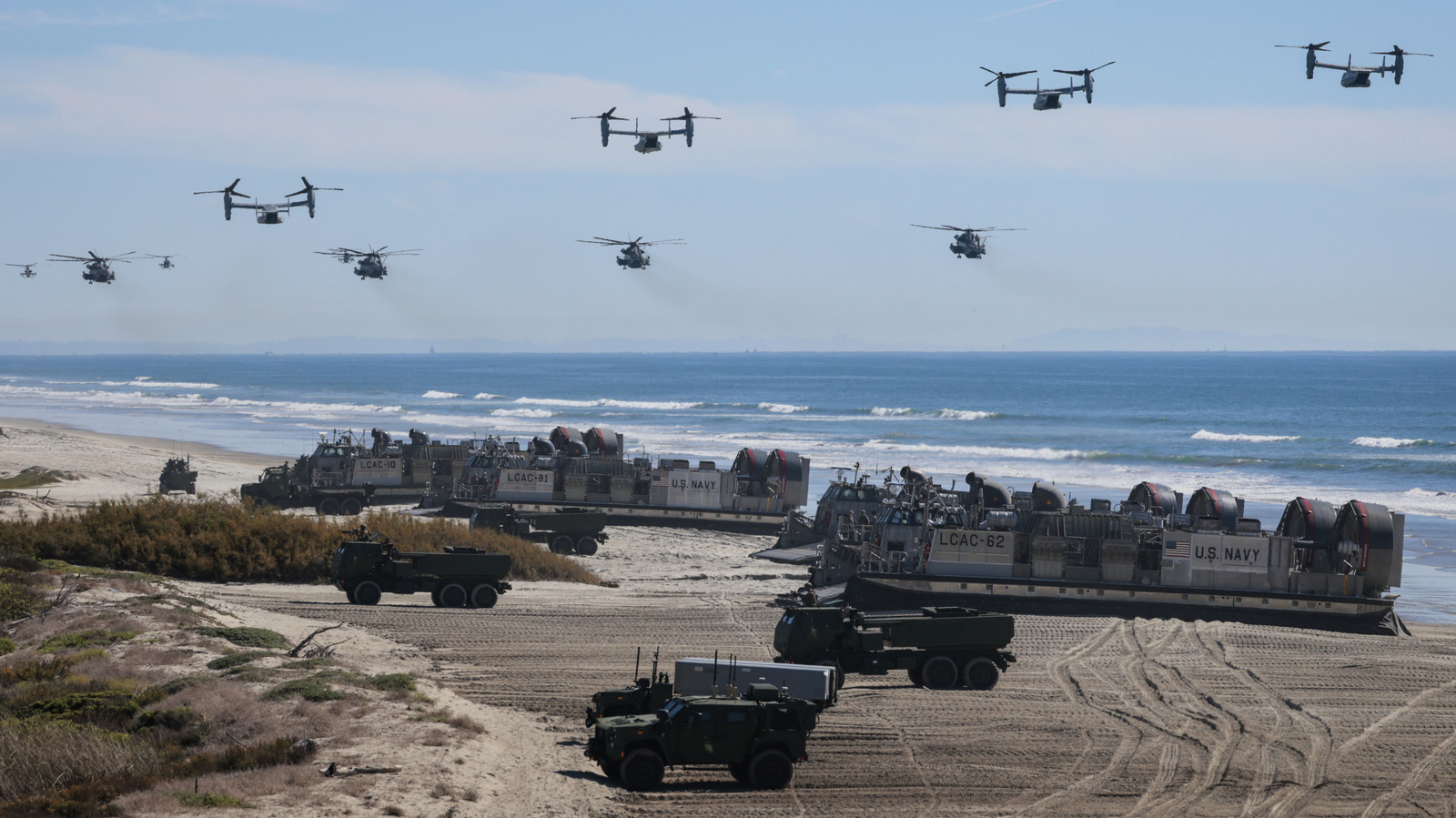
A live-fire demonstration at a Marine Corps installation in California went dangerously wrong when a malfunction caused artillery shrapnel to rain down on a nearby public highway. The incident occurred during what appears to have been a scheduled military demonstration, and it prompted the immediate cancellation of the remainder of the event while raising serious questions about the safety margins between military training areas and civilian infrastructure in the state.
Details emerging from initial reports indicate that a malfunction during artillery fire resulted in shrapnel traveling beyond the designated impact zone and landing on or near a public roadway. The specific nature of the malfunction — whether it involved a premature detonation, a round that failed to perform as expected, or an error in calculation — has not been formally disclosed by Marine Corps public affairs.
The Immediate Response
Military officials moved quickly to suspend the live-fire activity once the shrapnel impact on the highway became apparent. The demonstration was canceled, and the area was secured for inspection. Authorities would have needed to assess whether any debris on or near the roadway posed a continuing hazard to vehicles and whether the affected stretch of highway needed to be closed for clearance.
The Marine Corps has not publicly detailed any injuries resulting from the incident. Shrapnel falling on a California highway during normal traffic hours could have consequences ranging from vehicle damage to serious injury if debris struck a moving car or driver. The circumstances of traffic conditions at the time of the incident — whether the road was in use, whether it had been temporarily restricted during the demonstration — will likely factor into any subsequent investigation.

Military Training in Proximity to Civilian Infrastructure
The incident highlights a persistent tension in California and other densely populated states: military installations, many of which were established decades or a century ago when surrounding areas were sparsely settled, now operate adjacent to suburban communities, major roadways, and populated areas. The safety buffer zones that were adequate for the population density of mid-20th-century California may be less appropriate for the current landscape.
Marine Corps installations in California include bases along the coast and in inland areas bounded by communities, roads, and other civilian uses. Range safety officers use extensive calculations to establish safe areas during live-fire exercises, accounting for round trajectory, potential malfunctions, and maximum debris radius. When a malfunction produces an unexpected result, those calculations may prove insufficient.
Investigation and Accountability
Military mishaps of this nature typically trigger a formal investigation under the Uniform Code of Military Justice and relevant Marine Corps regulations. Range safety is a serious discipline in all service branches, with detailed protocols designed to prevent exactly this kind of incident. The investigation would examine the chain of events leading to the malfunction, whether all applicable safety procedures were followed, and whether the range safety plan was appropriate for the conditions and proximity to civilian areas.
If the investigation finds that established safety procedures were properly followed and the malfunction was an unforeseeable equipment failure, the outcome may focus on procedural improvements and equipment inspection. If it finds that protocols were not properly implemented, individuals in the chain of command could face disciplinary action.

Public Safety and Military Relations
Military training accidents that affect civilian areas strain the relationship between installations and surrounding communities. Local officials and community members near military bases often express concerns about training activities, and incidents like this one — while relatively rare — tend to elevate those concerns and fuel calls for greater oversight or restrictions on certain training activities.
The Marine Corps has a strong interest in maintaining positive community relations and will likely respond with transparency about the investigation process and its findings, as well as any changes implemented to prevent recurrence. The outcome of the investigation will be important not only for accountability purposes but for the long-term credibility of the installation's commitment to safety.
No further demonstrations were reported at the site following the incident, and the investigation is expected to take several weeks at minimum before preliminary findings are available.
This article is based on reporting by Jalopnik. Read the original article.
Originally published on jalopnik.com