GM-এর আয় বড় গাড়ির চাহিদার স্থিতিস্থাপকতা দেখায়
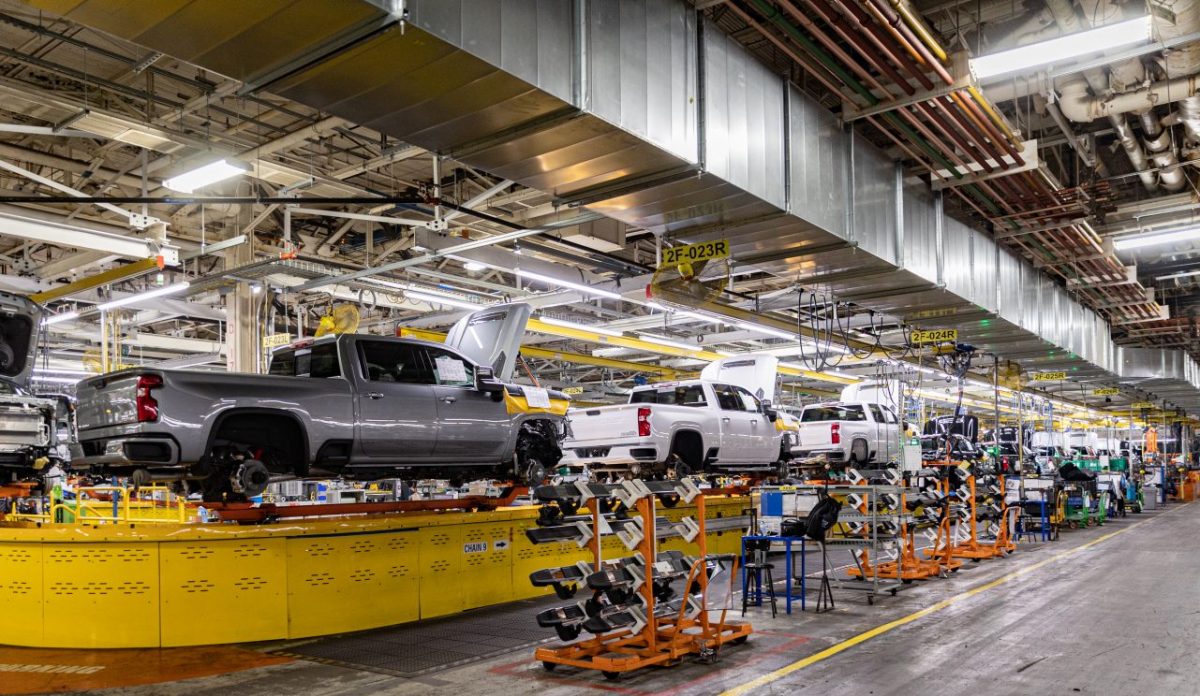
যুক্তরাষ্ট্রে ট্রাক ও SUV বিক্রি শক্তিশালী হওয়ায় General Motors-এর মুনাফা 22% বেড়েছে বলে কোম্পানি জানিয়েছে, এবং এতে অটোমেকারটি অস্থির জ্বালানির দাম ও নীতিগত অনিশ্চয়তায় ভরা বছরে আরও আত্মবিশ্বাস পেয়েছে। কোম্পানি তার 2026 মুনাফা পূর্বাভাসও $500 মিলিয়ন বাড়িয়েছে, যা ইঙ্গিত দেয় ব্যবস্থাপনা বিশ্বাস করে তার মূল লাইনআপ এখনও যথেষ্ট গতি তৈরি করছে যাতে স্পষ্ট প্রতিকূলতা সামাল দেওয়া যায়.
ফলাফলটি উল্লেখযোগ্য, কারণ এটি অটো বাজারের একটি পরিচিত ধারণার বিপরীতে যায়: জ্বালানির দাম বাড়লে বড় গাড়ির চাহিদা কমে যাওয়া উচিত. কিন্তু GM-এর পারফরম্যান্স দেখায়, অন্তত এখনো, মার্কিন ক্রেতারা আকার, ব্যবহারিকতা, এবং ব্র্যান্ড পছন্দকে পাম্পের দামের সংবেদনশীলতার চেয়ে বেশি গুরুত্ব দিচ্ছেন. এটি গুরুত্বপূর্ণ, কারণ পিকআপ ও বড় SUV Detroit-এর অর্থনীতির কেন্দ্রবিন্দু. এই গাড়িগুলো চলতে থাকলে মুনাফা দ্রুত বাড়তে পারে.
দামি জ্বালানির মধ্যেও শক্তিশালী বছর
তেলবাজারের অস্থিরতা ও বেশি পেট্রোল দামের সময় এই আয়-সংক্রান্ত আপডেট এসেছে, যা ইতিমধ্যেই বৈশ্বিক যানবাহন বাজারের কিছু অংশ বদলে দিচ্ছিল। শিল্পের একই সংকলনে The Drive জানিয়েছিল, মার্চে ইরানে যুদ্ধ ও মধ্যপ্রাচ্যের অস্থিরতার সঙ্গে যুক্ত বৈশ্বিক EV কেনাকাটায় উল্লম্ফন দেখা গেছে. এই বৈপরীত্যটা কাজে লাগে. এটি দেখায় বাজার একমুখী নয়. যুক্তরাষ্ট্রের বাইরে উচ্চ জ্বালানি খরচ বিদ্যুতায়নকে দ্রুততর করতে পারে. GM-এর দেশীয় কোরে কোম্পানি এখনও প্রচলিত উচ্চ-মার্জিন যানবাহনের চাহিদা থেকে লাভ পাচ্ছে.
এই দুই-দৃশ্যের বাস্তবতা শিল্পের পরবর্তী পর্ব নির্ধারণ করতে পারে. অটোমেকারদের একই সঙ্গে দুইটি বাজারে কাজ করতে হচ্ছে: একটিতে জ্বালানি খরচের চাপে বিদ্যুতায়ন ত্বরান্বিত হচ্ছে, আরেকটিতে লাভজনক দহন-নির্ভর যানবাহন খাত এখনো শক্তিশালী। GM-এর সর্বশেষ সংখ্যাগুলো দেখায়, দ্বিতীয় বাজারটি এখনও যথেষ্ট নগদ প্রবাহ দিচ্ছে.
ট্যারিফ ছাড়ও পূর্বাভাস গঠনে ভূমিকা রেখেছে
GM তার উচ্চতর পূর্বাভাসকে শুধু পণ্যের চাহিদার সঙ্গে যুক্ত করেনি। কোম্পানি বলেছে, $500 মিলিয়ন বৃদ্ধিটি সেই পরিমাণের সমান, যা তারা আশা করছে U.S. Supreme Court-এর এমন রায়ের পর ফিরে পাবে, যা Trump প্রশাসনের ট্যারিফ বাতিল করেছিল. এই বিবরণটি গুরুত্বপূর্ণ, কারণ এটি দেখায় আইনগত ও বাণিজ্য নীতি কীভাবে সরাসরি আয়ের প্রত্যাশায় প্রভাব ফেলে. বৈশ্বিক সরবরাহ শৃঙ্খলযুক্ত নির্মাতাদের জন্য ট্যারিফ ব্যবস্থার পরিবর্তন পটভূমির শব্দ নয়. এগুলো মুনাফা-নির্দেশনাকে বাস্তবভাবে প্রভাবিত করতে পারে.
শক্তিশালী পণ্য-মিশ্রণ এবং ট্যারিফ-সংক্রান্ত ছাড় GM-কে কিছু প্রতিদ্বন্দ্বীর তুলনায় আরামদায়ক অপারেটিং কুশন দেয়. এটি আরও বোঝায় কেন প্রতিষ্ঠানটি শিল্পজুড়ে জ্বালানির দাম-অস্থিরতা, বাণিজ্য উত্তেজনা, এবং ভোক্তারা কত দ্রুত EV-তে যাবে সেই প্রশ্ন সত্ত্বেও প্রত্যাশা বাড়াতে রাজি হয়েছে.
GM-এর বাইরেও ফলটি কেন গুরুত্বপূর্ণ
বিস্তৃত পরিবহন খাতের জন্য GM-এর এই আপডেট মনে করিয়ে দেয় যে প্রচলিত ট্রাক ও SUV থেকে সরে আসা সরলরেখায় ঘটছে না. শুধু উচ্চ জ্বালানির দামই যুক্তরাষ্ট্রের বাজার-প্রভাবশালী যানবাহনের চাহিদা মুছে দিতে যথেষ্ট নয়। ভোক্তা অভ্যাস, ফাইন্যান্সিং পরিস্থিতি, পণ্যের আকর্ষণ, এবং কাজভিত্তিক যানবাহনের গুরুত্ব এখনো এই খাতকে সমর্থন করছে.
তাতে চাপ নেই এমন নয়। উচ্চ জ্বালানি খরচ দীর্ঘায়িত হলে, বা অর্থনৈতিক অবস্থা দুর্বল হলে, হিসাব বদলে যেতে পারে। কিন্তু সাম্প্রতিক ত্রৈমাসিক দেখায় বড় গাড়ির চাহিদা এখনও এতটাই স্থিতিশীল যে আয় বৃদ্ধি দিতে পারে. বিনিয়োগকারী ও প্রতিদ্বন্দ্বী উভয়ের জন্যই বার্তাটি সোজা: পুরনো মুনাফার ইঞ্জিন এখনও চলছে, এবং অন্তত স্বল্পমেয়াদে GM তার ওপর বাজি ধরতে স্বচ্ছন্দ.
এই নিবন্ধটি The Drive-এর প্রতিবেদনের ভিত্তিতে লেখা। মূল নিবন্ধ পড়ুন.
Originally published on thedrive.com