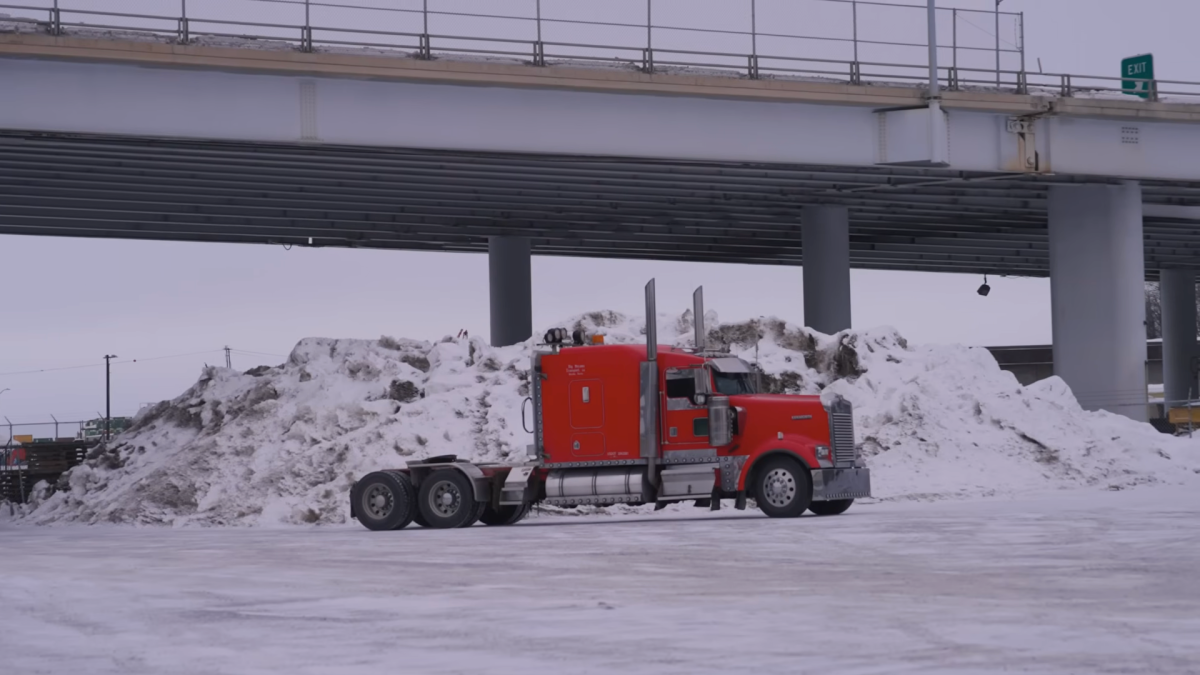
When Emissions Compliance Becomes a Safety Problem
Diesel exhaust fluid, or DEF, is a urea-based solution that modern diesel engines use to neutralize nitrogen oxide emissions. Injected into the exhaust stream, it causes a chemical reaction that converts harmful NOx gases into harmless nitrogen and water vapor. The system, required by EPA regulations and universally implemented in current diesel vehicles, has been one of the more successful emissions control technologies deployed across the heavy trucking industry.
It has also been one of the most controversial. DEF systems require careful maintenance, are prone to freezing in cold temperatures, and can trigger engine power deratings or complete shutdowns when they malfunction. For truck operators in warm climates with good access to DEF supply chains and maintenance infrastructure, this is a manageable inconvenience. For operators running heavy vehicles in extreme cold, far from service infrastructure, it can be genuinely dangerous.
The Alaska Problem
DEF freezes at 12 degrees Fahrenheit. Alaska regularly sees temperatures well below that threshold. For truckers hauling loads on remote Alaskan roads in winter—often in the dark, in conditions that make breakdown genuinely life-threatening—a DEF system failure that triggers an engine shutdown is not a compliance problem. It is an emergency.
The Alaska Department of Transportation and Public Facilities has documented this problem in detail. Brad Bylsma, the department's state equipment fleet manager, has described DEF systems as responsible for a significant portion of maintenance issues and costs in the state fleet. Commercial operators in Alaska have reported similar experiences: Frederic Sifuentes, president of Big Dreams Transport, an Alaska-based trucking company, stated that 85 percent of his fleet's maintenance and repair needs are DEF-related.
These are not abstract policy concerns. They represent real operational impacts on the logistics infrastructure of a state where trucking is often the only available supply chain for remote communities, and where vehicle breakdowns have outcomes ranging from expensive to potentially fatal.

The Legislation
US Senators Dan Sullivan (R-Alaska) and Cynthia Lummis (R-Wyo.) introduced the Cold Weather Diesel Reliability Act in November 2025. The bill's core provision would allow manufacturers to suspend engine power deratings and shutdowns caused by emissions control system faults when ambient temperatures drop below 32 degrees Fahrenheit. A more expansive provision would grant year-round DEF exemptions for vehicles operating north of 59 degrees north latitude—a line that roughly bisects Alaska and includes much of the state's most remote terrain.
The bill distinguishes between turning off DEF systems entirely and modifying when the DEF failure protection activates. Under current rules, a DEF fault can trigger automatic engine power reduction or shutdown regardless of ambient conditions. The proposed legislation would create a temperature-based override that keeps engines running even when DEF systems are compromised, allowing operators to complete their journey and address the DEF issue at a safe location rather than on a remote road in extreme cold.
Environmental Trade-Offs
The legislation involves an unavoidable trade-off: vehicles operating with compromised DEF systems produce more nitrogen oxide emissions than vehicles with functioning DEF. NOx is associated with respiratory health effects and contributes to smog formation. In densely populated urban airsheds where most US residents live, DEF requirements are a meaningful component of air quality management. In remote Arctic and sub-Arctic regions with minimal population density, the public health calculus is different.
Supporters argue that the geographic scope of the exemptions naturally limits air quality impact while addressing a genuine safety concern. Critics counter that any weakening of DEF requirements creates precedent for broader exemptions and argue that the appropriate solution is better DEF system engineering for cold-weather reliability rather than regulatory carve-outs.
Legislative Prospects
The bill is currently before the Senate Committee on Environment and Public Works. Its prospects are meaningfully enhanced by the current administration's demonstrated willingness to reduce emissions control requirements. EPA administrator Lee Zeldin has already moved to eliminate forced engine deratings due to low DEF levels in a separate regulatory action, signaling administration support for the policy direction. Alaska's unique operational context gives the bill bipartisan-accessible framing that purely ideological energy legislation does not have—the safety argument resonates across party lines in a way that broader DEF elimination arguments do not.
This article is based on reporting by The Drive. Read the original article.
Originally published on thedrive.com