Mexico’s Chinese auto boom is entering a tougher phase
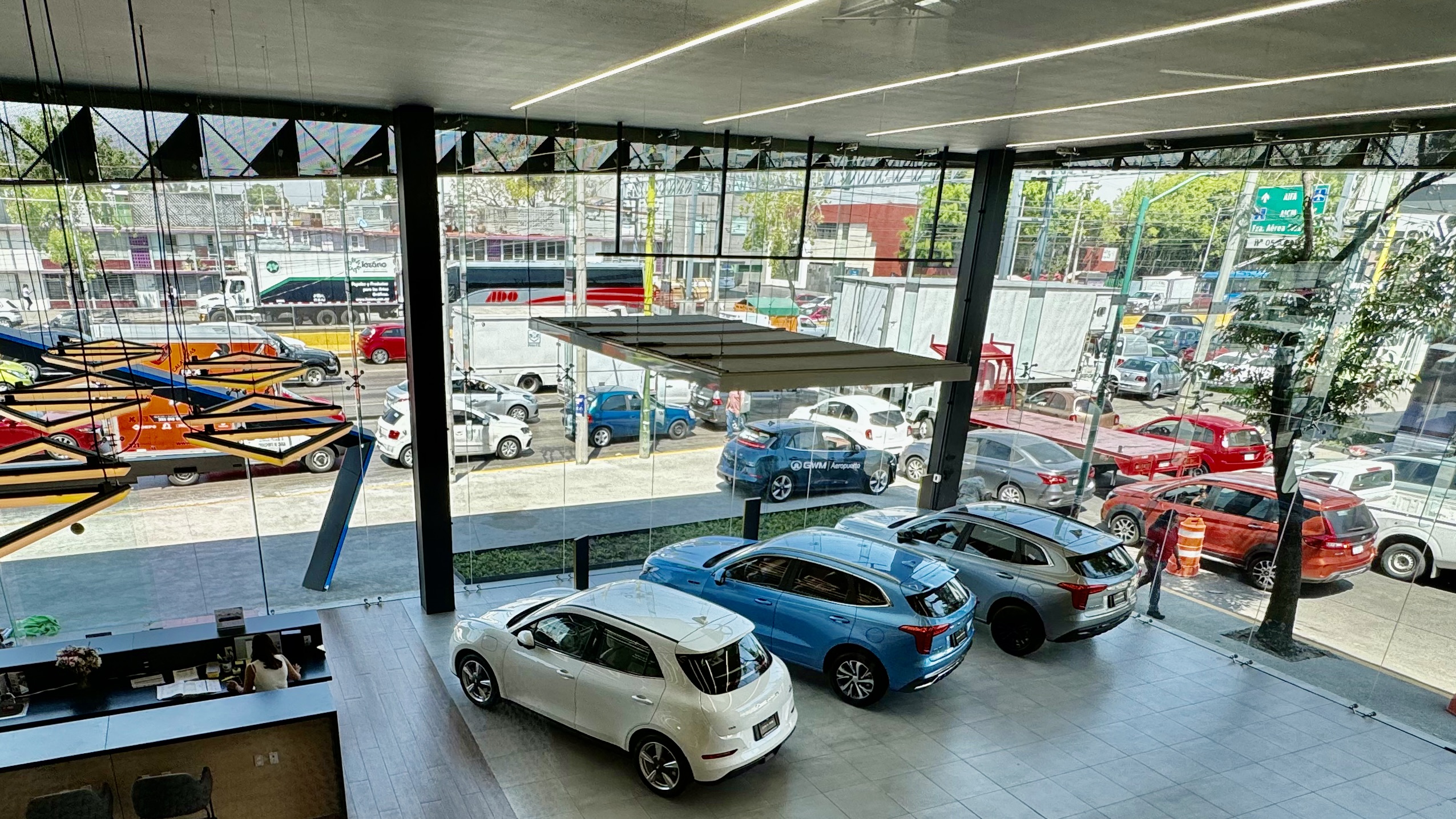
The rapid expansion of Chinese car brands in Mexico is shifting from land grab to stress test. According to Automotive News, Mexican dealers moved quickly during the pandemic to sign up with Chinese automakers, helping open the market to roughly 30 competing brands. That early rush created scale fast. It also created the conditions for a later shakeout.
The article’s central lesson for U.S. dealers is not simply that Chinese automakers can move quickly. It is that speed without durable support systems can strain the retail network. As more brands crowd the same market, dealers are becoming more selective, especially as customer service appears to be lagging behind the sales push.
Why dealers said yes so quickly
The pandemic period disrupted normal supply patterns and shifted dealer incentives. In that environment, new partnerships with Chinese brands offered a way to fill inventory gaps, broaden lineups, and capture demand while incumbent automakers were constrained. The result, according to the source material, was a wave of signings that brought a large number of Chinese marques into the Mexican market in a short period.
That kind of expansion can look impressive on paper. More brands means more storefronts, more models, and a stronger claim to market presence. But dealership networks are not just sales channels. They are also service providers, financing partners, warranty administrators, and local reputation managers. A network built around rapid sign-ups has to prove it can handle those jobs consistently once the novelty wears off.
The after-sales question is becoming harder to ignore
The most telling detail in the supplied summary is that dealers are growing more selective because customer service has taken a back seat to sales. That signals a familiar industry problem. Companies often optimize for initial distribution and unit growth, only to discover that customer retention depends far more on parts availability, repair support, training, and long-term brand reliability.
For dealers, poor after-sales performance is not a side issue. It can directly damage local trust, service profitability, and future vehicle demand. Dealers are the ones facing customers when warranty work is delayed, parts are missing, or a new brand’s back-end support falls short. A showroom can be opened quickly. A durable service reputation cannot.
Why U.S. retailers are watching closely
The headline frame from Automotive News asks what U.S. dealers can learn from Mexico. The clearest answer is that rapid brand expansion should not be mistaken for sustainable market development. If Chinese brands eventually push more aggressively into markets that influence or touch the United States, retailers will want to evaluate not just product appeal and pricing, but also the operational depth behind the franchise.
Mexico offers a useful stress case because it shows what happens when dealer appetite is strong and barriers to entry appear manageable. The first phase rewards speed. The second phase exposes which companies can actually support a national retail footprint. That distinction matters because dealership economics are built over years, not launch quarters.
Another lesson is about saturation. Roughly 30 Chinese brands competing in one market is a large number. Even if several begin with momentum, not all will build enough scale, service capacity, or brand loyalty to remain attractive partners over time. Dealers who initially signed broadly may now be reassessing which relationships are viable.
Expansion is easy to announce and hard to sustain
Automotive markets often celebrate expansion as if the hardest work ends once a badge reaches the showroom floor. In reality, that is when the harder work starts. Dealer training, repair standards, inventory support, logistics, financing coordination, and customer communication all determine whether a brand becomes a lasting presence or a short-lived experiment.
The Mexican case suggests some Chinese automakers, or at least some of their local strategies, may have prioritized front-end growth over back-end resilience. That is not unusual in high-growth phases. It is also not a formula dealers will tolerate indefinitely.
The next stage will be more selective
If the market is moving from enthusiasm to scrutiny, that is a sign of maturation, not failure. Dealers becoming more selective means they are now testing partners against tougher criteria than simple sales promise. The brands that survive that filter could emerge stronger. Those that cannot deliver adequate customer support may find that early market share gains are hard to defend.
For U.S. observers, the lesson is less about one country than about retail discipline. When new entrants arrive quickly, the temptation is to focus on demand, novelty, and margin opportunity. Mexico shows why service infrastructure has to be weighed just as heavily. In the auto business, a weak support system eventually reaches the showroom.
The real story is not that Chinese brands expanded rapidly in Mexico. It is that the market is now asking whether rapid expansion was backed by enough operational substance. Dealers, as usual, are among the first to notice the difference.
This article is based on reporting by Automotive News. Read the original article.
Originally published on autonews.com