একটি ছায়াপথ যা স্বাভাবিক আচরণ করে না
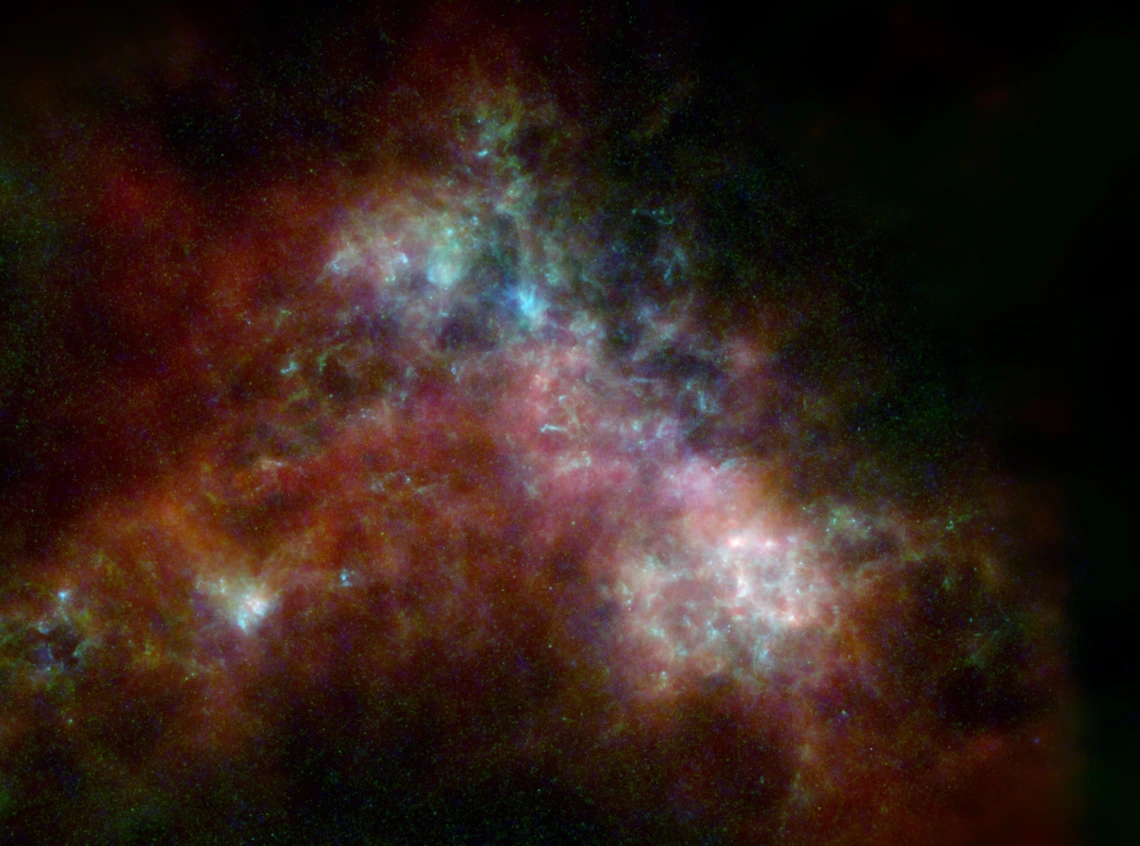
Small Magellanic Cloud দশকের পর দশক ধরে জ্যোতির্বিজ্ঞানীদের বিস্মিত করে চলেছে। এই বামন অনিয়মিত ছায়াপথটি, যা দক্ষিণ গোলার্ধ থেকে Milky Way এর কাছাকাছি একটি ক্ষীণ ধুমুক্তি হিসাবে নগ্ন চোখে দৃশ্যমান, অস্বাভাবিকভাবে আচরণ করে। বেশিরভাগ ছায়াপথ—বিশাল সর্পিল থেকে ছোট বামন পর্যন্ত—এমন তারকা রয়েছে যা তাদের ছায়াপথের কেন্দ্রের চারপাশে অপেক্ষাকৃত পূর্বাভাসযোগ্য প্যাটার্নে কক্ষপথ করে। SMC এমনটি করে না। এর তারকাগুলি বিশৃঙ্খল, আপাতভাবে এলোমেলো গতিপথে চলে যা প্রজন্মের গবেষকদের জন্য ব্যাখ্যাকে চ্যালেঞ্জ করেছে।
রহস্যকে জটিল করে, SMC-এর একটি অনিয়মিত, বিকৃত আকৃতি রয়েছে যা বেশিরভাগ অভিকর্ষ মডেল বিচ্ছিন্ন বামন ছায়াপথগুলির জন্য পূর্বাভাস দেয় এমন সুষম কাঠামোর বিপরীতে। এটিতে মহাকাশে বিস্তৃত গ্যাসের একটি দীর্ঘ জোয়ারীয় লেজও রয়েছে এবং এটি একাধিক স্কেলে ব্যাঘাতের স্পষ্ট প্রমাণ দেখায়। এই ছায়াপথের সাথে কিছু ঘটেছে—কিন্তু সেই ঘটনার প্রকৃতি এবং কারণ রহস্যময় ছিল।
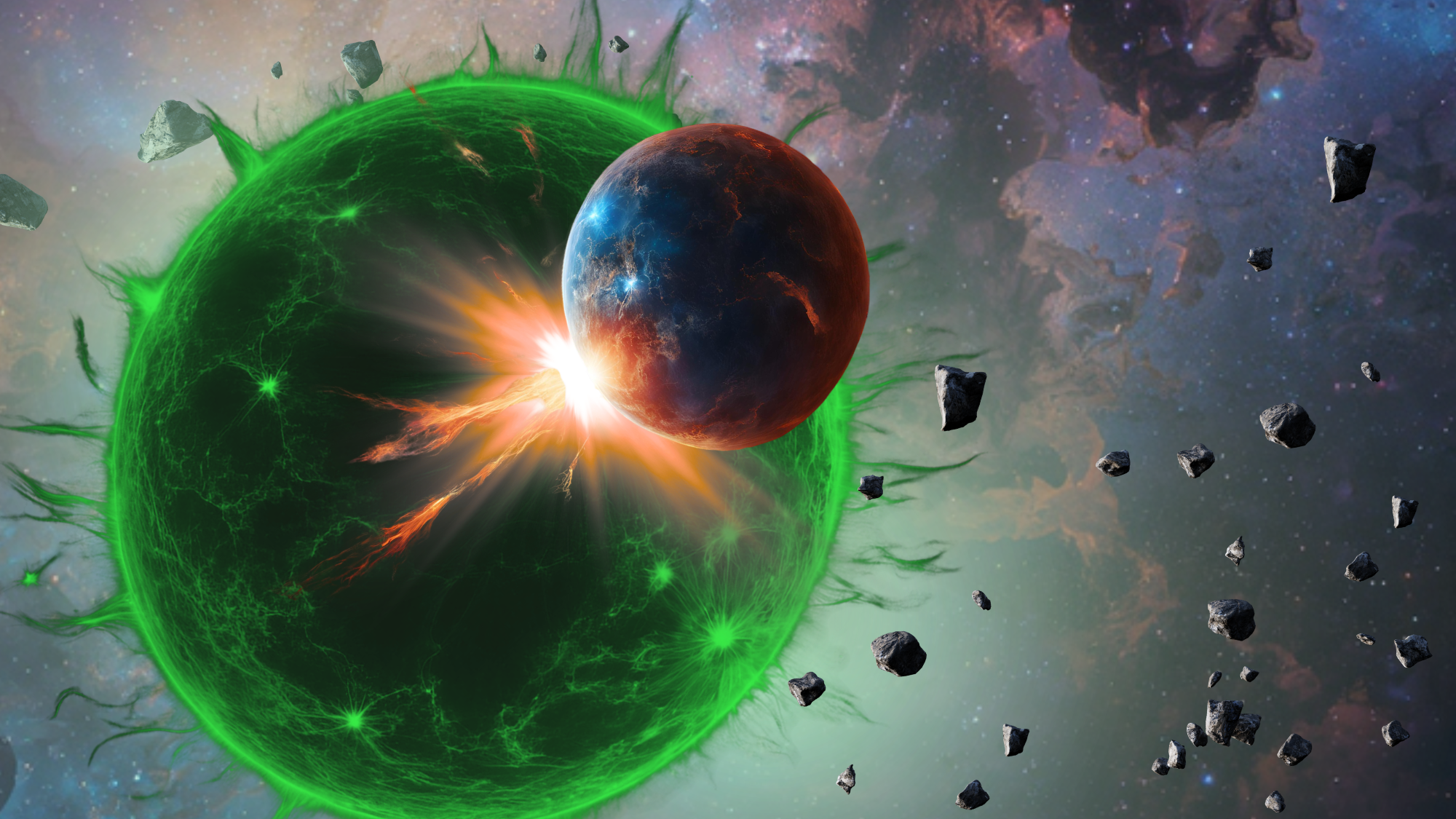
এখন, University of Arizona এর স্নাতক ছাত্র Himansch Rathore এর নেতৃত্বে জ্যোতির্বিজ্ঞানীদের একটি দল ব্যাখ্যাটি ট্র্যাক করেছে: Small Magellanic Cloud দূর অতীতে তার প্রতিবেশী, Large Magellanic Cloud এর মধ্য দিয়ে সরাসরি চলেছিল।
সংঘর্ষের পুনর্নির্মাণ
গবেষণায় Gaia মহাকাশ টেলিস্কোপের ডেটা ব্যবহার করা হয়েছে, যা আমাদের ছায়াপথীয় পাড়াপোশের তারকাগুলির অবস্থান এবং গতিবিধি অভূতপূর্ব নির্ভুলতার সাথে পরিমাপ করছে। Gaia-এর যথাযথ গতির পরিমাপগুলিকে একত্রিত করে—আকাশ জুড়ে তারকাগুলির ক্ষুদ্র আপাত স্থানান্তর যখন তারা মহাকাশের মাধ্যমে চলে—রেডিয়াল বেগ ডেটা সহ, দল SMC জুড়ে ত্রিমাত্রিক তারকীয় বেগ পুনর্নির্মাণ করতে সক্ষম হয়েছিল।
তারা যা খুঁজে পেয়েছিল তা হল একটি গতিশীলভাবে নিষ্পত্তিকৃত ছায়াপথ থেকে প্রত্যাশিত সংগঠিত ঘূর্ণন নয়। পরিবর্তে, SMC-তে তারকীয় গতিবিধি এমন স্বাক্ষর প্রদর্শন করেছিল যা একটি জনসংখ্যা হিংসাত্মকভাবে বাধাগ্রস্ত এবং বিভিন্ন গতিপথে পাঠানো হয়েছে। এই প্যাটার্নটি Large Magellanic Cloud এর ঘন তারকীয় এবং গ্যাস ডিস্কের মাধ্যমে একটি সরাসরি উত্তরণের সাথে সামঞ্জস্যপূর্ণ ছিল।
যখন দুটি ছায়াপথ সংঘর্ষ হয়, তাদের তারকা এবং গ্যাস মেঘগুলির মধ্যে অভিকর্ষ মিথস্ক্রিয়া সংঘর্ষের আগে যে কক্ষীয় কাঠামো বিদ্যমান ছিল তা সম্পূর্ণরূপে বাধাগ্রস্ত করতে পারে। যে তারকাগুলি পূর্বে অনুমানযোগ্যভাবে কক্ষপথ করছিল সেগুলি নতুন গতিপথে নিক্ষিপ্ত হতে পারে, অন্য ছায়াপথের অভিকর্ষ দ্বারা আটকানো হতে পারে বা সম্পূর্ণভাবে বহিষ্কৃত হতে পারে। সংঘর্ষটি যত বেশি কাছাকাছি এবং সরাসরি হয়, ব্যাঘাত তত বেশি সম্পূর্ণ হয়। SMC-এর তারকীয় গতিশীলতা পরামর্শ দেয় যে এটি একটি অত্যন্ত সরাসরি সংঘর্ষের অভিজ্ঞতা লাভ করেছে, একটি স্পর্শকাতর সাক্ষাতের পরিবর্তে।

ম্যাজেলানিক সিস্টেমের সহিংস ইতিহাস
Large এবং Small Magellanic Clouds হল Milky Way এর উপগ্রহ ছায়াপথ, আমাদের ছায়াপথ এবং একে অপরের সাথে অভিকর্ষীয়ভাবে আবদ্ধ। তারা দীর্ঘদিন ধরে সঙ্গী হিসাবে বিবেচিত ছিল যারা বিলিয়ন বছর ধরে Milky Way এর চারপাশে একটি অপেক্ষাকৃত স্থিতিশীল কনফিগারেশনে কক্ষপথ করছে। সাম্প্রতিক কাজ এই চিত্রটি সংশোধন করেছে: Magellanic Clouds সম্ভবত Milky Way এর অভিকর্ষ প্রভাবক্ষেত্রে সম্প্রতি আগত, Local Group এর দূরবর্তী স্থান থেকে পড়ে গেছে।
এই সংশোধিত বোঝাপড়া জ্যোতির্বিজ্ঞানীরা Clouds এর বর্তমান চেহারা এবং গতিশীলতা কীভাবে ব্যাখ্যা করে তা পরিবর্তন করে। Rathore এর দল দ্বারা পুনর্নির্মাণ করা SMC-LMC সংঘর্ষ দেখা যায় যখন উভয় ছায়াপথ ইতিমধ্যে Milky Way এর দিকে তাদের প্রবাহ গতিপথে ছিল, যার অর্থ SMC উভয়ই ইতিমধ্যে একটি বিরক্ত গতিশীল অবস্থায় ছিল যখন আঘাত পেয়েছিল।
ম্যাজেলানিক স্ট্রিম
এই সহিংস ইতিহাসের সবচেয়ে দৃশ্যমান প্রকাশ হল Magellanic Stream—নিরপেক্ষ হাইড্রোজেন গ্যাসের একটি বিশাল ফিতা যা আকাশের প্রায় অর্ধেক জুড়ে বিস্তৃত, Magellanic Clouds এর পিছনে ট্রেইল করছে। Stream 1970-এর দশক থেকে পরিচিত কিন্তু এর উৎপত্তি বিতর্কিত। কিছু মডেল এটিকে প্রাথমিকভাবে Milky Way দ্বারা জোয়ারীয় সরানোর জন্য দায়ী করে; অন্যরা Clouds যখন Milky Way এর গরম গ্যাসীয় হ্যালো জুড়ে চলে তখন রাম চাপ সরানোর কথা উল্লেখ করে।
সংঘর্ষের পরিস্থিতি আরেকটি প্রক্রিয়া যোগ করে: সরাসরি SMC-LMC সংঘর্ষ SMC থেকে বিশাল পরিমাণে গ্যাস বের করতে সক্ষম হয়েছে, Stream এর ভর অবদান রেখেছে। এটি পর্যবেক্ষণের সাথে সামঞ্জস্যপূর্ণ যা দেখায় যে Stream-এ Large Magellanic Cloud এর পরিবর্তে Small Magellanic Cloud এর সাথে মেলে এমন রাসায়নিক প্রাচুর্য রয়েছে, যা SMC-কে প্রাথমিক গ্যাসের উৎস হিসাবে নির্দেশ করে।
বামন ছায়াপথ বিজ্ঞানের জন্য প্রভাব
SMC-এর নির্দিষ্ট রহস্যগুলি সমাধানের বাইরে গিয়ে, এই গবেষণাটি জ্যোতির্বিজ্ঞানীরা বামন ছায়াপথ বিবর্তনকে কীভাবে বুঝতে পারে তার জন্য প্রভাব ফেলে। Milky Way এর কয়েক ডজন পরিচিত উপগ্রহ ছায়াপথ রয়েছে এবং অনেকগুলি অনিয়মিততা প্রদর্শন করে—বিকৃত আকৃতি, অপ্রত্যাশিত তারকীয় গতিবিধি, জোয়ারীয় ব্যাঘাতের প্রমাণ—যা বিভিন্নভাবে Milky Way জোয়ার, অভ্যন্তরীণ তারকা গঠন প্রতিক্রিয়া এবং অন্ধকার পদার্থ বৈশিষ্ট্যগুলিকে দায়ী করা হয়।
SMC ফলাফল প্রদর্শন করে যে উপগ্রহ ছায়াপথের মধ্যে সরাসরি সংঘর্ষ রূপগত ব্যাঘাতের একটি কম প্রশংসিত চালক। যদি SMC, আকাশে সবচেয়ে বিস্তৃতভাবে অধ্যয়ন করা বামন ছায়াপথগুলির মধ্যে একটি, একটি সংঘর্ষ স্বাক্ষর বহন করে যা ঠিকভাবে ব্যাখ্যা করতে দশক সময় নিয়েছে, অন্যান্য উপগ্রহ ছায়াপথগুলি অনুরূপ স্বীকৃত সংঘর্ষ ইতিহাস বহন করতে পারে যা তাদের বর্তমান চেহারা গঠন করছে।
এই নিবন্ধটি Universe Today দ্বারা রিপোর্টিং এর উপর ভিত্তি করে। মূল নিবন্ধটি পড়ুন।
Originally published on universetoday.com