শুক্র তার পেছনমুখী ঘূর্ণনের জন্য এক সহিংস প্রাথমিক সংঘর্ষের ঋণী হতে পারে
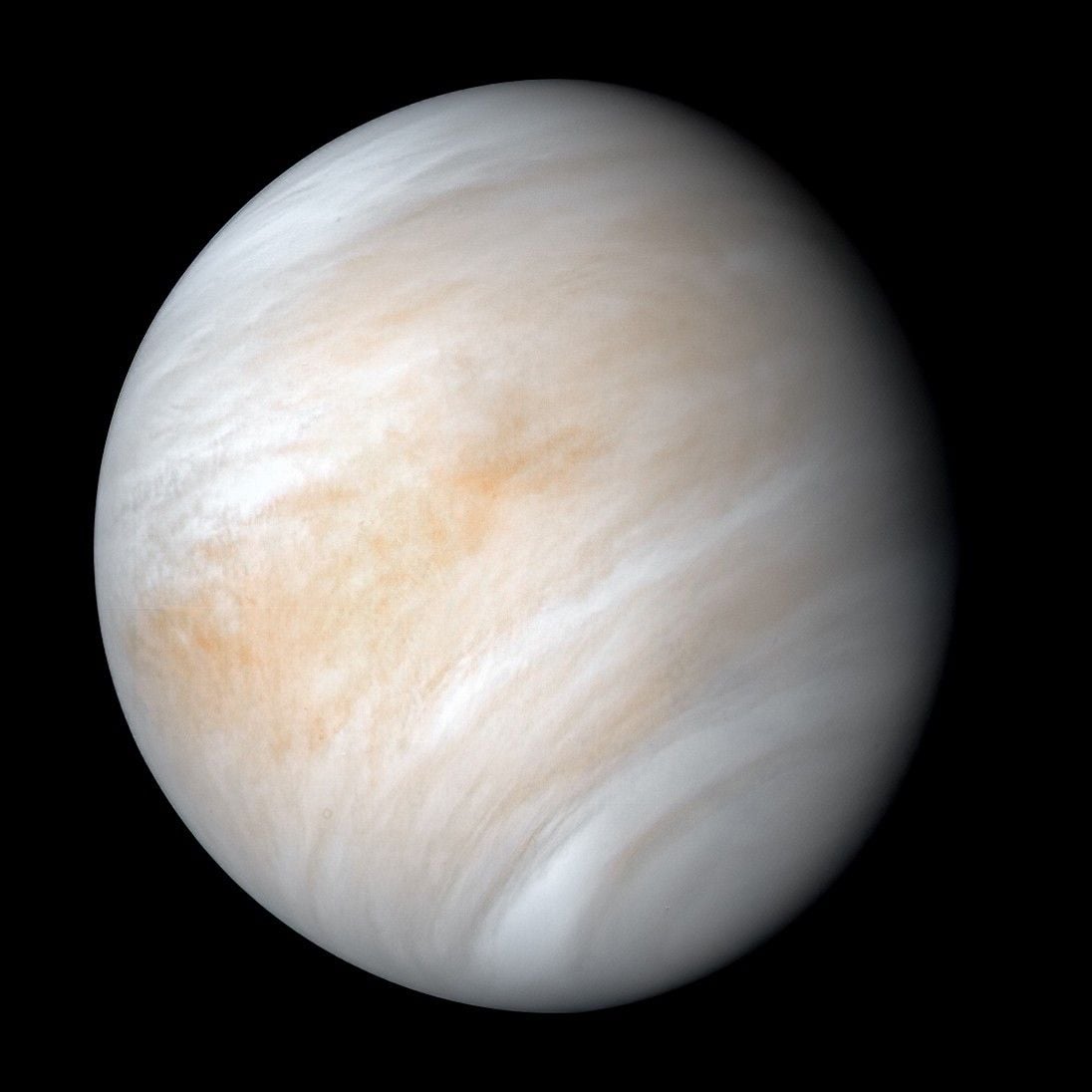
সৌরজগতের সবচেয়ে বড় ঘূর্ণনগত বিস্ময়গুলোর একটি হিসেবে শুক্র দীর্ঘদিন ধরে আলাদা হয়ে আছে। এটি অত্যন্ত ধীরে ঘোরে, নিজের অক্ষে একবার ঘুরতে 248 দিন লাগে, এবং অধিকাংশ গ্রহের বিপরীত দিকে ঘোরে। এখন একটি নতুন মডেলিং গবেষণা বলছে, এই অদ্ভুত আচরণ একটি প্রাচীন ঘটনার ফল হতে পারে: গ্রহটির ইতিহাসের শুরুর দিকে চাঁদের আকারের একটি সংঘর্ষকারী বস্তু উচ্চ-কোণে আঘাত করেছিল।
এই কাজটি সম্প্রতি ভিয়েনায় অনুষ্ঠিত ইউরোপিয়ান জিওসায়েন্সেস ইউনিয়ন জেনারেল অ্যাসেম্বলিতে উপস্থাপিত হয় এবং Universe Today তা রিপোর্ট করে। বিবরণ অনুযায়ী, প্রধান লেখক Cedric Gillmann, ETH Zurich, এবং সহকর্মীরা মডেল করেন যে একটি বড় সংঘর্ষ কি শুক্রের প্রাথমিক ঘূর্ণন অবস্থা উল্লেখযোগ্যভাবে বদলে দিতে পারে। তাদের সিদ্ধান্ত ছিল, বস্তুটি যদি উচ্চ বেগে এবং সঠিক কোণে আঘাত করত, তবে তা সম্ভব ছিল।
প্রস্তাবিত সংঘর্ষটি শুক্র গঠনের পর প্রথম 50 মিলিয়ন বছরের মধ্যে ঘটেছিল বলে ধরা হচ্ছে, যখন তরুণ গ্রহটি তখনও আজকের পর্যবেক্ষিত বিশ্বের দিকে রূপান্তরিত হচ্ছিল।
শুক্র কেন এমন এক গ্রহীয় ধাঁধা
আকারে পৃথিবীর কাছাকাছি হওয়ায় শুক্রকে প্রায়ই পৃথিবীর যমজ বলা হয়। কিন্তু প্রায় প্রতিটি পরিবেশগত অর্থেই এটি সম্পূর্ণ ভিন্ন। দেওয়া প্রতিবেদনে পৃষ্ঠের তাপমাত্রা প্রায় 467 ডিগ্রি সেলসিয়াস, বায়ুচাপ পৃথিবীর প্রায় 92 গুণ, এবং ক্ষয়কারী অ্যাসিডের মেঘের কথা বলা হয়েছে। এর ঘূর্ণন আরেকটি স্তরের বিস্ময় যোগ করে।
পৃথিবীসহ অধিকাংশ গ্রহ সূর্যকে যে সাধারণ দিকে প্রদক্ষিণ করে, সেই একই বিস্তৃত দিকেই ঘোরে। শুক্র প্রতিগামীভাবে ঘোরে, অর্থাৎ বিপরীত দিকে। এটি আবার অত্যন্ত ধীর গতিতেও ঘোরে। পেছনমুখী দিক এবং ধীর গতি, দুটোরই ব্যাখ্যা গ্রহবিজ্ঞানীদের জন্য দীর্ঘদিনের চ্যালেঞ্জ।
নতুন মডেলগুলো সমস্যার প্রতিটি অংশ মীমাংসা করার দাবি করে না, তবে তারা প্রাথমিক সংঘর্ষ পদার্থবিদ্যাকে বর্তমান দীর্ঘমেয়াদি ঘূর্ণন অবস্থার সঙ্গে যুক্ত করার একটি পথ দেখায়।

নতুন মডেলিং কী ইঙ্গিত দেয়
Gillmann এই প্রকল্পকে এমন একটি প্রাথমিক ঘূর্ণন অবস্থা খুঁজে বের করার প্রচেষ্টা হিসেবে বর্ণনা করেন, যা পরে বর্তমান শুক্রে পরিণত হতে পারে। প্রতিবেদিত সিমুলেশনে, শুক্রের ভরের প্রায় দশমাংশের একটি সংঘর্ষকারী বস্তু উচ্চ কোণে আঘাত করলে তরুণ গ্রহের ঘূর্ণন নাটকীয়ভাবে বদলানোর জন্য যথেষ্ট ছিল।
সংঘর্ষের সুনির্দিষ্ট পরামিতির ওপর নির্ভর করে, সেই সংঘর্ষ দ্রুত ঘূর্ণায়মান প্রাথমিক শুক্রকে এমন হারে ধীর করতে পারত, যা দীর্ঘমেয়াদি বিবর্তনের মাধ্যমে আজকের ধীর ঘূর্ণনের সঙ্গে সামঞ্জস্যপূর্ণ। আরও শক্তিশালী স্পর্শকীয় ক্ষেত্রে, এটি গ্রহটিকে প্রাথমিক পর্যায়েই প্রতিগামী ঘূর্ণনে ঠেলে দিতে পারত, যদিও তখনও আজকের তুলনায় দ্রুততর।
এই পার্থক্যটি গুরুত্বপূর্ণ। মডেলগুলো মনে হয় না যে শুধু এই সংঘর্ষেই আধুনিক শুক্র হুবহু তাৎক্ষণিকভাবে তৈরি হয়ে গেছে। বরং, সংঘর্ষটি এমন শুরুর শর্ত নির্ধারণ করে থাকতে পারে, যেখান থেকে পরবর্তী গ্রহীয় বিবর্তন পর্যবেক্ষিত ফল তৈরি করেছে।
ঘূর্ণনই একমাত্র ফল নয়
প্রতিবেদনে আরও বলা হয়েছে, সিমুলেশনে বড় সংঘর্ষগুলো পৃষ্ঠে ম্যাগমা মহাসাগর তৈরি করেছিল। সংঘর্ষের বৈশিষ্ট্যের ওপর নির্ভর করে এর গভীরতা প্রায় 100 কিলোমিটার মাত্রার অপেক্ষাকৃত অগভীর গলনস্তর থেকে সম্পূর্ণ গলিত ম্যান্টল পর্যন্ত ছিল।
এই ফলাফল ধারণাটির গুরুত্ব আরও বাড়ায়। একটি বড় সংঘর্ষ শুধু শুক্রের ঘূর্ণনে প্রভাব ফেলবে না; এটি গ্রহটির তাপীয় এবং অভ্যন্তরীণ বিবর্তনকেও প্রভাবিত করবে। যদি একটি বিস্তৃত ম্যাগমা মহাসাগর তৈরি হয়ে পরে সময়ের সঙ্গে ঠান্ডা হয়ে যায়, তবে মহাকাশে তাপক্ষয়ের গতি পরবর্তী সময়ে পৃষ্ঠ ও অভ্যন্তরের বিকাশকে প্রভাবিত করতে পারে।
অন্যভাবে বললে, এই সংঘর্ষ-ধারণা ঘূর্ণনকে গ্রহের গঠন ও ইতিহাসের গভীরতর গল্পের সঙ্গে যুক্ত করে। যে ঘটনা ঘূর্ণনের দিক বা গতি বদলেছিল, সেটিই গ্রহটি পরিণত হওয়ার সময় তার অভ্যন্তরীণ অবস্থাও গঠনে সাহায্য করে থাকতে পারে।

সময় নির্ধারণ কেন গুরুত্বপূর্ণ
প্রস্তাবিত সময়, অর্থাৎ শুক্রের গঠনের প্রথম প্রায় 50 মিলিয়ন বছরের মধ্যে, সংঘর্ষটিকে এমন এক সময়ে স্থাপন করে যখন প্রাথমিক সৌরজগত এখনও সহিংস এবং ভিড়পূর্ণ ছিল। সেই যুগে বড় সংঘর্ষ ছিল না অস্বাভাবিক; সেগুলোই ছিল গ্রহের জন্ম, বিভাজন এবং কখনও কখনও রূপান্তরের অংশ।
এটি বৃহত্তর গ্রহবিজ্ঞানের দৃষ্টিকোণ থেকে অনুমানটিকে সম্ভাব্য করে তোলে। পৃথিবীর নিজস্ব ইতিহাসেও বড় সংঘর্ষ রয়েছে, এবং সৌরজগতের বহু বৈশিষ্ট্যের মূলধারার ব্যাখ্যায়ও বৃহৎ সংঘর্ষ ইতিমধ্যেই অন্তর্ভুক্ত। শুক্রের জন্য প্রশ্নটি নয় যে এমন সংঘর্ষ আদৌ হয়েছিল কি না, বরং তাদের মধ্যে একটি কি আমরা এখন যে নির্দিষ্ট ঘূর্ণন অবস্থা দেখি তা ব্যাখ্যা করতে পারে কি না।
নতুন মডেলিং যুক্তি দিচ্ছে যে, সীমিত কিছু সংঘর্ষ-শর্তের অধীনে অন্তত উত্তর হতে পারে হ্যাঁ।
গ্রহীয় শান্তি যে প্রতারণামূলক হতে পারে তার স্মরণ
শুক্র এত আকর্ষণীয় থাকার একটি কারণ হলো, এর বর্তমান চেহারা অতীতের সহিংসতাকে আড়াল করতে পারে। Universe Today প্রতিবেদনের সঙ্গে একটি স্মরণও জুড়ে দিয়েছে যে শান্ত দেখানো একটি গ্রহীয় ডিস্ক আসলে চরম তাপ ও চাপের একটি জগৎ লুকিয়ে রাখে। এর গতিশীল ইতিহাসও তেমন হতে পারে। এখন ধীর, পেছনমুখী ঘূর্ণনের সঙ্গে আকাশে ভাসতে থাকা একটি গ্রহ একসময় একক কোনো বিধ্বংসী সংঘর্ষে পুনর্গঠিত হতে পারে।
নতুন কাজটিকে চূড়ান্ত রায় নয়, বরং একটি শক্তিশালী হাইপোথেসিস হিসেবে দেখা উচিত। এটি পর্যবেক্ষিত ঘূর্ণন, প্রাথমিক সংঘর্ষগত গতিবিদ্যা, এবং অভ্যন্তরীণ পরিণতিকে একটি সুসংগত কাঠামোয় যুক্ত করে। ভবিষ্যতের মডেলিং এবং তুলনামূলক গ্রহীয় প্রমাণ যদি এটিকে সমর্থন করে, তবে শুক্রের বিখ্যাত অদ্ভুত দিনটি সৌরজগতের প্রথম অধ্যায়ের এক সংঘর্ষের সবচেয়ে প্রাচীন ক্ষতগুলোর একটি হয়ে উঠতে পারে।
এই নিবন্ধটি Universe Today-এর প্রতিবেদনকে ভিত্তি করে লেখা হয়েছে। মূল নিবন্ধটি পড়ুন.

Originally published on universetoday.com