A mission that changes the timeline
For the first time in more than half a century, humans are once again on their way to the moon. NASA’s Artemis 2 mission began heading toward lunar space on the evening of April 2, 2026, after the Orion spacecraft completed an engine burn that took it out of Earth orbit. The flight puts four astronauts on a path toward the moon and ends one of the longest pauses in human exploration history.
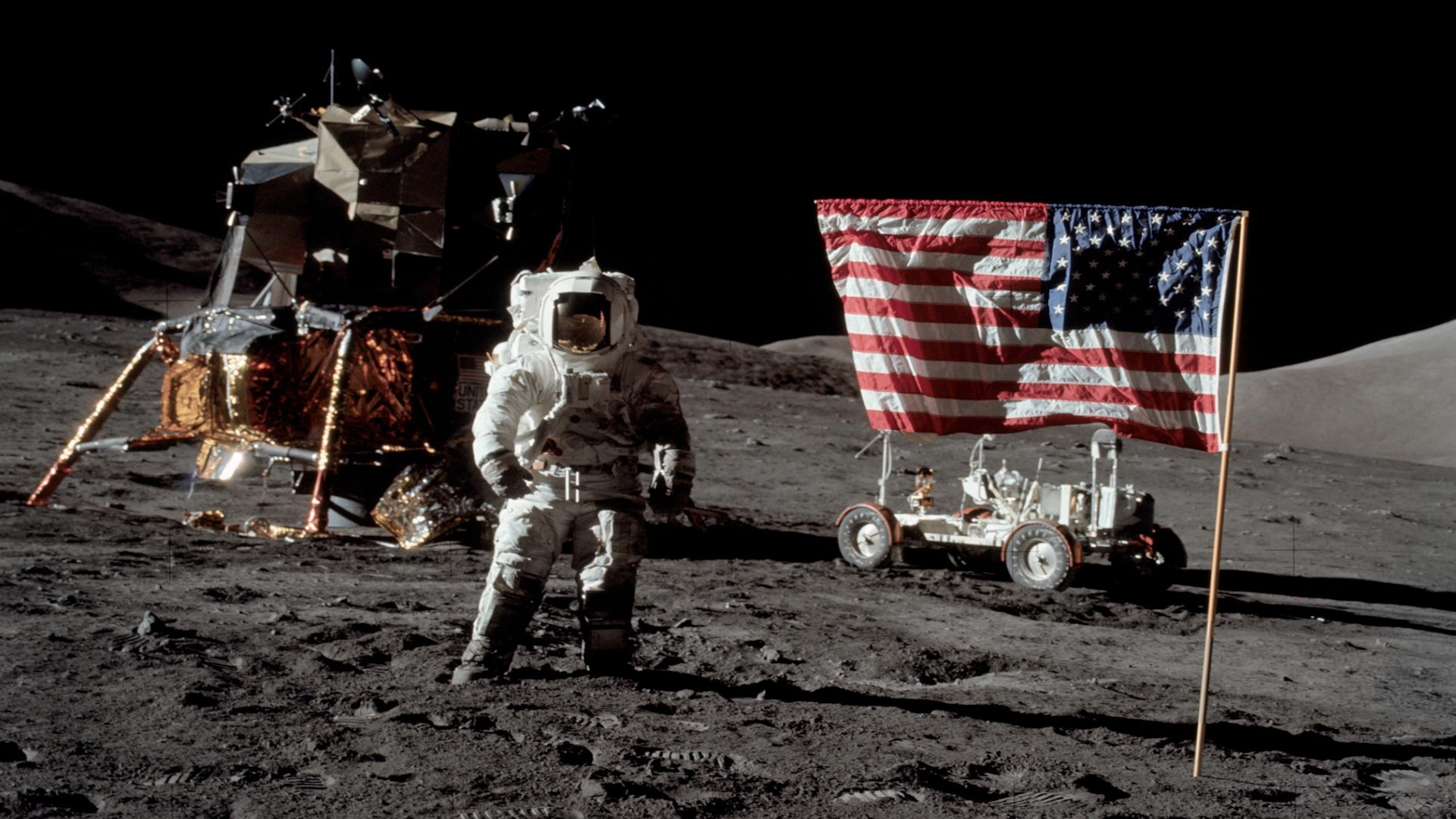
The milestone is easy to state and much harder to absorb. The last time people traveled to the moon’s neighborhood was during Apollo 17 in December 1972. That means Artemis 2 is reopening a route that has been dormant for more than 53 years. The scale of that gap is part of the story: this is not simply another crewed mission, but the return of a capability that had effectively disappeared.
Why the return took so long
The central question around Artemis 2 is not only where it is going, but why it took so long to get there. The answer, as framed in the source material, begins with the Cold War. Winning the original moon race was a national security imperative, and it was funded accordingly. Apollo was built in a political environment that treated lunar achievement as a strategic contest rather than a long-duration transportation program.
Once that immediate geopolitical contest faded, so did the funding intensity that made rapid moon missions possible. The first lunar era was compressed, expensive, and driven by extraordinary urgency. Artemis 2 underscores what happens when that urgency disappears: even a country that has already achieved lunar flight can take decades to return.
That reality makes Artemis 2 important beyond symbolism. The mission is demonstrating that human lunar operations must be rebuilt, not merely resumed. Sending a crew beyond Earth orbit after such a long break means reestablishing hardware, procedures, confidence, and public momentum in a very different era from the one that produced Apollo.

A crewed pathfinder, not a nostalgic replay
The four Artemis 2 astronauts are following a trail first opened by Apollo, but the meaning of the mission is contemporary. Humanity has not been to the moon’s neighborhood since 1972, and Artemis 2 is changing that fact in real time. Even before any future lunar landing mission, this flight serves as proof that deep-space crewed missions are again operational.
That distinction matters. A return to lunar space is not the same as a return to a lunar surface campaign, but it is the step that makes later ambitions credible. Artemis 2 therefore functions as a bridge mission: it connects the memory of Apollo to a modern exploration agenda while showing that human missions beyond low Earth orbit are no longer only historical achievements.
The mission also revives a public frame that had gone quiet for decades. For many people, the moon had become a destination associated more with archival footage than with current operations. Artemis 2 changes the grammar of that conversation. The moon is once again a place astronauts are actively traveling toward, not only a place they once visited.
What the long pause reveals
The long interval between Apollo 17 and Artemis 2 reveals a hard truth about spaceflight: technical capability does not sustain itself automatically. If the political mission changes, the infrastructure behind exploration can atrophy. The gap also shows that exploration programs depend on more than engineering success. They require durable reasons to keep going after the first burst of achievement.
In that sense, Artemis 2 is both a mission and a test of continuity. Apollo proved that lunar flight was possible. Artemis 2 is part of the effort to prove that lunar exploration can be resumed in a new century under different conditions, with different expectations and a different policy environment. It is a reminder that space history is not a straight line of constant progress.
There is also a broader lesson in the timing. More than half a century after Apollo, human spaceflight is returning to a destination that once seemed permanently opened. That alone says something about the difficulty of maintaining ambition when the original emergency, rivalry, or prestige race no longer dominates national priorities.

The significance of this week
Artemis 2’s departure toward the moon stands as one of the clearest markers yet that the lunar era has restarted. The mission’s importance lies partly in its destination, partly in its crewed status, and partly in the historical silence it breaks. A route unused since 1972 is active again.
That is why the question of delay matters so much. The answer is not that humanity forgot how to reach the moon, but that the conditions that once demanded it did not last. Artemis 2 now enters that vacuum with a different purpose: not to win a 20th-century race, but to prove that human lunar flight still belongs in the 21st century.
This article is based on reporting by Space.com. Read the original article.
Originally published on space.com