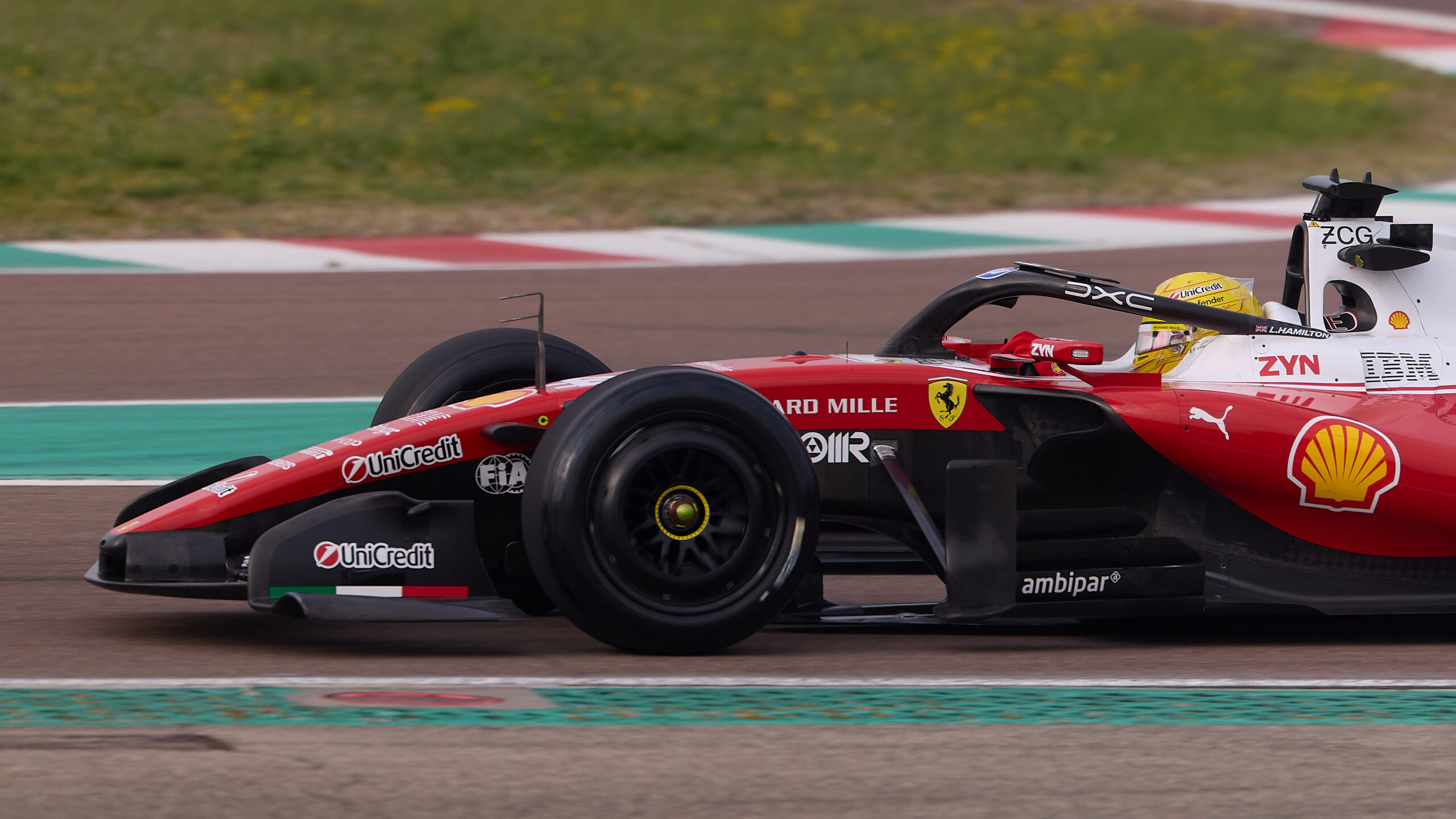
F1 দ্রুত নিজের তৈরি সমস্যা ঠিক করছে
নতুন পাওয়ারট্রেইন যুগের মাত্র কয়েক সপ্তাহের মধ্যেই ফর্মুলা 1 তার হাইব্রিড শক্তির নিয়ম সংশোধন করছে, কারণ দল ও সংগঠকেরা মনে করেছেন বর্তমান সেটআপ প্রতিযোগিতা ও নিরাপত্তা, দুটোকেই ক্ষতিগ্রস্ত করছে। এই পরিবর্তনগুলি ১ থেকে ৩ মে অনুষ্ঠিতব্য মিয়ামি গ্র্যান্ড প্রিক্সে কার্যকর হবে, এবং ল্যাপের মাঝখানে গাড়িগুলোকে ব্যাটারি রিচার্জ করতে বাধ্য হওয়ার ফলে যে চরম গতি-ব্যবধান তৈরি হচ্ছে, তা কমানোই লক্ষ্য।
সমস্যার উৎস খেলাটির সর্বশেষ পাওয়ার ইউনিট, যা আগের চেয়ে অনেক বেশি শক্তিশালী ইলেকট্রিক মোটরের ওপর নির্ভর করে, কিন্তু সেগুলোর সঙ্গে এমন ব্যাটারি যুক্ত আছে যা প্রতিটি ল্যাপে সীমিত সময়ের জন্যই পূর্ণ আউটপুট দিতে পারে। সঞ্চিত শক্তি শেষ হয়ে গেলে, আরও চার্জ পুনরুদ্ধার না হওয়া পর্যন্ত উপলভ্য শক্তি দ্রুত কমে যায়। কোয়ালিফাইংয়ে এটি ন্যাড়া-গতির ল্যাপের ঐতিহ্যগত ধারণাকেই দুর্বল করেছে। রেসে, যেসব গাড়ির চার্জ আছে আর যেগুলোর নেই তাদের মধ্যে বড় গতি-ব্যবধান তৈরি হয়েছে।
মূল সমস্যা: harvesting বনাম racing
সিজনের প্রথম দিকের রেসের জন্য মূল সেটআপে ড্রাইভারদের প্রতি ল্যাপে ৮ megajoules পর্যন্ত রিচার্জ করে ইলেকট্রিক মোটর চালানোর অনুমতি ছিল। ব্যাটারি নিজে ৪ megajoules সঞ্চয় করে, তাই ব্রেকিং এবং খেলায় super clipping নামে পরিচিত, অর্থাৎ engine যখন generator হিসেবে electric motor-কে শক্তি দেয়, সেই পদ্ধতিতে গাড়িগুলোকে সবসময় শক্তি পুনরুদ্ধার করতে হয়।
এই engineering সমাধানের একটি কুৎসিত পার্শ্বপ্রতিক্রিয়াও ছিল। চার্জিংয়ে মোড়ানো প্রতিটি kilowatt হলো এমন শক্তি যা পিছনের চাকায় যাচ্ছে না। প্রতিবেদনে বলা হয়েছে, এতে ঘণ্টায় ৭০ kilometers, অর্থাৎ প্রায় ৪৩ miles per hour পর্যন্ত গতি-ব্যবধান তৈরি হয়েছে। অতি সূক্ষ্ম ব্যবধানে নির্ধারিত এই সিরিজে এটি তুচ্ছ নয়। এটি overtaking-এর ধরণ বদলে দেয়, lap construction বিকৃত করে, এবং একই straight-এ দুই গাড়ি ভিন্ন operating modes-এ চললে স্পষ্ট নিরাপত্তা উদ্বেগ তৈরি করে।

মিয়ামিতে কী বদলাচ্ছে
মিয়ামি থেকে শুরু করে, কোয়ালিফাইংয়ে সর্বোচ্চ শক্তি অনুমতি প্রতি ল্যাপে ৮ megajoules থেকে ৭-এ নামানো হবে। লক্ষ্য সরল: দলগুলোর মোট ল্যাপজুড়ে কম শক্তি লাগলে harvesting-ও কম লাগবে, ফলে ড্রাইভাররা ব্যবস্থাপনার বদলে আক্রমণে বেশি সময় দিতে পারবে। কর্মকর্তারা মনে করেন এই পরিবর্তন কোয়ালিফাইং ল্যাপকে আরও flat-out করবে এবং দল ও দর্শক উভয়ের কাছেই বোধগম্য করে তুলবে।
একই সঙ্গে, super clipping-এর সময় গাড়িগুলো যত শক্তি পুনরুদ্ধার করতে পারবে, তা F1 বাড়াচ্ছে। সীমা ২৫০ kilowatts থেকে বাড়িয়ে পুরো ৩৫০ kilowatts করা হচ্ছে। FIA অনুযায়ী, এতে super clipping প্রতি ল্যাপে প্রায় ২ থেকে ৪ seconds-এ সীমাবদ্ধ থাকা উচিত। বেশি harvesting allowance রেসেও প্রযোজ্য হবে, পাশাপাশি electric power কীভাবে deploy করা যাবে তার সংশোধিত নিয়মও থাকবে।
সব মিলিয়ে, নতুন হাইব্রিড প্যাকেজের মূল ধারণা বজায় রেখেই সবচেয়ে বিঘ্নকারী পার্শ্বপ্রতিক্রিয়াগুলো সরিয়ে দেওয়ার চেষ্টা এটি। খেলাটি electrification থেকে সরে আসছে না। বরং স্বীকার করছে যে harvesting আর drivability-এর মধ্যে প্রাথমিক ভারসাম্য ঠিক ছিল না।
F1-এর বাইরেও কেন এটি গুরুত্বপূর্ণ
ফর্মুলা 1 দীর্ঘদিন ধরে high-performance power management-এর একটি পরীক্ষাগার হিসেবে কাজ করছে, আর বর্তমান বিতর্ক দেখায় যে নিয়ম যখন ব্যবস্থাকে নতুন চরম সীমার দিকে ঠেলে দেয়, তখন এই ভারসাম্য কতটা কঠিন হয়ে যায়। তত্ত্বে বেশি electrical power আকর্ষণীয় শোনায়। কিন্তু সহায়ক energy architecture যদি প্রতিযোগিতামূলক racing-এর demand profile-এর সঙ্গে না মেলে, তবে spectacle ক্ষতিগ্রস্ত হয়।
এখানেই তা ঘটেছে। seamless hybrid performance দেখানোর বদলে, নিয়মগুলো tactical recharging আচরণকে উৎসাহ দিয়েছে, ফলে fastest lap less intuitive হয়েছে এবং racing আরও erratic হয়েছে। এর ফলে যে সমালোচনা উঠেছে, তা motorsport regulators সাধারণত যত দ্রুত সাড়া দেয়, তার চেয়েও দ্রুত তাদের পদক্ষেপ নিতে বাধ্য করেছে।
এই ঘটনাটি প্রযুক্তিগতভাবে উচ্চাভিলাষী rule changes সম্পর্কে আরেকটি বড় সত্যও দেখায়: simulation আর design intent কেবল নির্দিষ্ট সীমা পর্যন্তই পূর্বাভাস দিতে পারে। বাস্তব racing সঙ্গে সঙ্গেই edge cases উন্মোচিত করে, বিশেষ করে যখন ideal deployment আর practical usage-এর মধ্যে ফারাক lap-এর ভগ্নাংশে মাপা হয়।
শো বাঁচানোর পাশাপাশি safety margin-ও
উৎস প্রতিবেদনে স্পষ্ট বলা হয়েছে যে লক্ষ্য “save the show”, কিন্তু এই পরিবর্তন কেবল cosmetic নয়। কোনো সিরিজ যদি এখানে বর্ণিত মাত্রার speed differentials তৈরি করে, তাহলে সমস্যা aesthetics-এর বাইরে চলে যায়। Drivers-দের predictable closing speeds দরকার, বিশেষ করে braking zones-এ এবং এমন battles-এ যেখানে প্রতিটি গাড়ির energy state ভিন্ন হতে পারে।
মোট কোয়ালিফাইং energy target কমিয়ে এবং দ্রুত recovery-র অনুমতি দিয়ে, F1 আশা করছে গাড়িগুলো আরও consistently raceable হবে এবং less strategically awkward লাগবে। এতে সমস্যা পুরোপুরি মিটবে কি না, তা এখনও দেখা বাকি, তবে এটি অন্তত fans যে ধরনের grand prix car আশা করেন আর নিয়মগুলো বাস্তবে যেটা করতে বাধ্য করে, সেই ব্যবধান কমাবে।
engineering complexity-কে আকর্ষণীয় প্রতিযোগিতায় রূপান্তর করতে গর্ববোধ করা একটি ক্রীড়ার জন্য এই পার্থক্য গুরুত্বপূর্ণ। মিয়ামি এখন প্রথম বাস্তব পরীক্ষা হবে, F1 একটি কার্যকর সংশোধন খুঁজে পেয়েছে কি না, নাকি deeper hybrid design challenge-এর ওপর কেবল অস্থায়ী patch বসিয়েছে।
এই নিবন্ধটি Ars Technica-এর প্রতিবেদনের ভিত্তিতে লেখা। মূল নিবন্ধ পড়ুন.
Originally published on arstechnica.com