JAWBONE আইনের উপস্থাপন
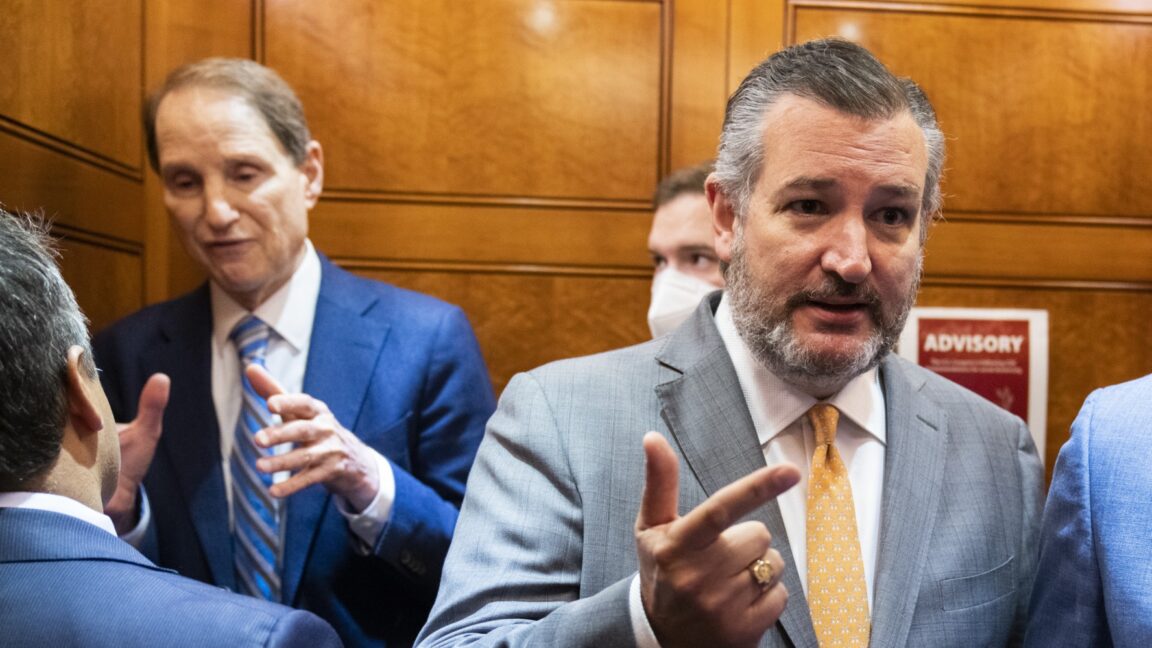
যুক্তরাষ্ট্রের সিনেটর টেড ক্রুজ (আর-টেক্সাস) এবং রন ওয়াইডেন (ডি-ওরেগন) জাস্টিস অ্যাগেইনস্ট ওয়েপনাইজড ব্যুরোক্র্যাটিক ওভাররিচ টু নেটওয়ার্কড এক্সপ্রেশন অ্যাক্ট, বা JAWBONE Act, উত্থাপন করেছেন। এটি একটি দ্বিদলীয় বিল, যার লক্ষ্য সম্প্রচারক এবং প্রযুক্তি প্ল্যাটফর্মগুলোর ওপর বক্তব্য সীমিত করতে সরকারি চাপ কমানো। প্রস্তাবিত আইনটি এমন ব্যক্তিদের জন্য ব্যক্তিগত মামলা করার অধিকার সৃষ্টি করবে, যাদের প্রথম সংশোধনী অধিকার ফেডারেল কর্মকর্তারা “জবোনিং” করে লঙ্ঘন করেছেন - অর্থাৎ বেসরকারি কোম্পানিকে সুরক্ষিত বক্তব্য সেন্সর করতে বাধ্য করা.
বিলের প্রধান বিধান
JAWBONE আইন ফেডারেল সংস্থা এবং কর্মচারীদের সম্প্রচারক, অনলাইন সেবা প্রদানকারী বা এআই সেবা প্রদানকারীদের কনটেন্ট পরিবর্তন করতে বাধ্য করা বা চেষ্টা করা থেকে নিষিদ্ধ করবে। এটি ফেডারেল কমিউনিকেশনস কমিশন (FCC) সহ যেকোনো ফেডারেল সংস্থার কার্যকলাপে প্রযোজ্য হবে, যার চেয়ারম্যান ব্রেন্ডন কার টিভি নেটওয়ার্ক ও সম্প্রচারকদের ওপর বারবার চাপ সৃষ্টি করেছেন। এই বিল সোশ্যাল মিডিয়া প্রতিষ্ঠান এবং এআই চ্যাটবট নির্মাতাদের ওপর সরকারি চাপও অন্তর্ভুক্ত করে.
আইন অনুসারে, জবোনিংয়ের শিকাররা সরকারি কর্মকর্তাদের বিরুদ্ধে মামলা করে ক্ষতিপূরণ পেতে পারবেন। রাজ্যের অ্যাটর্নি জেনারেলরাও দেওয়ানি মামলা করে আইন প্রয়োগ করতে পারবেন। আইনটি স্পষ্টভাবে “জবোনিং”কে লক্ষ্য করে, যার সংজ্ঞা প্রথম সংশোধনী দ্বারা সুরক্ষিত বক্তব্য সেন্সর করতে বেসরকারি কোম্পানির ওপর সরকারি চাপ.

দ্বিদলীয় সমর্থন ও সমালোচনা
ক্রুজ ও ওয়াইডেন দলীয় সীমা অতিক্রম করে মুক্ত অভিব্যক্তির ওপর বাড়তে থাকা হুমকি মোকাবিলা করায় এই বিলটি বিশেষভাবে উল্লেখযোগ্য। ক্রুজ আগে FCC চেয়ারম্যান কার, যিনি একজন রিপাবলিকান, ABC-কে জিমি কিমেলকে স্থগিত করতে বাধ্য করার জন্য সমালোচনা করেছিলেন। তবে প্রেস বিজ্ঞপ্তিতে ক্রুজের বক্তব্য বাইডেন প্রশাসনের পদক্ষেপের ওপর কেন্দ্রীভূত ছিল, বিশেষ করে টিকা বাধ্যবাধকতা ও নির্বাচনী জালিয়াতির বিরুদ্ধে কথা বলা আমেরিকানদের “বাতিল” করতে বিগ টেকের ওপর সাইবারসিকিউরিটি অ্যান্ড ইনফ্রাস্ট্রাকচার সিকিউরিটি এজেন্সির চাপের বিষয়ে.
অন্যদিকে, ওয়াইডেন প্রাক্তন প্রেসিডেন্ট ডোনাল্ড ট্রাম্পের “খোলামেলা” হুমকির কথা উল্লেখ করেন, যিনি গভীর রাতের শো নিয়ে কেবল কোম্পানিগুলোর ওপর চাপ দিয়েছিলেন। ওয়াইডেন বলেন, “সবচেয়ে স্পষ্ট উদাহরণ হলো ট্রাম্পের কেবল কোম্পানিগুলোকে হুমকি দেওয়া, কারণ তিনি তাদের গভীর রাতের শো পছন্দ করতেন না, কিন্তু জবোনিং কোনো দলীয় বিষয় নয়, এবং এটি নতুনও নয়।” তিনি জোর দিয়ে বলেন, টিভি সংবাদ, অনলাইন স্ট্রিম এবং এআই সেবা সহ প্রায় সব আমেরিকান বক্তব্যই এমন জবরদস্তির ঝুঁকিতে থাকে.
পটভূমি ও প্রেক্ষাপট
JAWBONE আইন ডিজিটাল যুগে সরকারি ক্ষমতার অতিরিক্ত ব্যবহারের বিষয়ে চলমান উদ্বেগের ওপর ভিত্তি করে। ফেডারেল সংস্থাগুলো বেসরকারি প্ল্যাটফর্মগুলোর কনটেন্ট মডারেশন সিদ্ধান্ত প্রভাবিত করতে অনানুষ্ঠানিক চাপ বেশি ব্যবহারের ফলে “জবোনিং” শব্দটি জনপ্রিয় হয়েছে। এই বিলের লক্ষ্য এমন চাপের কারণে যাদের বক্তব্য দমিত হয়, তাদের জন্য আইনি প্রতিকার নিশ্চিত করা, এবং প্রথম সংশোধনী সুরক্ষা জোরদার করা.
সেন্সরশিপ, মুক্ত বক্তব্য এবং অনলাইন কনটেন্ট নিয়ন্ত্রণে সরকারের ভূমিকা নিয়ে বৃহত্তর বিতর্কের মাঝেই এই আইন এসেছে। সমর্থকেরা বলেন, ফেডারেল কর্মকর্তাদের জবাবদিহির আওতায় আনতে এবং ভবিষ্যৎ জবরদস্তি নিরুৎসাহিত করতে এই বিল জরুরি। সমালোচকেরা তুচ্ছ মামলা বা ভুল তথ্য মোকাবিলায় বৈধ সরকারি প্রচেষ্টায় হস্তক্ষেপের আশঙ্কা তুলতে পারেন.

সম্ভাব্য প্রভাব
আইনটি কার্যকর হলে সরকার এবং বেসরকারি বক্তব্য প্ল্যাটফর্মগুলোর সম্পর্ক উল্লেখযোগ্যভাবে বদলে যেতে পারে। এটি ব্যক্তি ও রাজ্যের অ্যাটর্নি জেনারেলদের এমন ফেডারেল পদক্ষেপ চ্যালেঞ্জ করতে ক্ষমতা দেবে, যা পরোক্ষভাবে বক্তব্য দমন করে। সম্প্রচারক, অনলাইন সেবা এবং এআই প্রদানকারীদের ওপর এর বিস্তৃত প্রয়োগ এটি প্রথাগত টিভি থেকে উদীয়মান এআই চ্যাটবট পর্যন্ত বিস্তৃত যোগাযোগ মাধ্যমকে প্রভাবিত করতে পারে.
ব্যক্তিগত মামলা করার অধিকার হলো এই বিলের একটি গুরুত্বপূর্ণ বৈশিষ্ট্য, যা ভুক্তভোগীদের কেবল সরকারি প্রয়োগের ওপর নির্ভর না করে ক্ষতিপূরণ চাইতে দেবে। এতে ফেডারেল কর্মকর্তাদের বিরুদ্ধে মামলা বাড়তে পারে এবং আক্রমণাত্মক জবোনিং কৌশল কিছুটা হলেও নিরুৎসাহিত হতে পারে.
প্রতিক্রিয়া ও পরবর্তী পদক্ষেপ
JAWBONE আইন উত্থাপনের পর মুক্ত বক্তব্য সমর্থক ও নাগরিক স্বাধীনতা গোষ্ঠীগুলোর দৃষ্টি আকর্ষণ করেছে। বিলটি এখন সিনেট প্রক্রিয়ায় এগোবে, যেখানে কমিটির অনুমোদন ও মঞ্চে ভোটের প্রয়োজন হবে। এর দ্বিদলীয় পৃষ্ঠপোষকতা সম্ভাবনা বাড়াতে পারে, তবে বিভক্ত কংগ্রেসে এর পথ অনিশ্চিত.
সেনেটর ক্রুজ ও ওয়াইডেন দ্রুত পদক্ষেপের আহ্বান জানিয়েছেন, যুক্তি দিয়ে বলেছেন যে আমেরিকানদের সাংবিধানিক অধিকার রক্ষায় এই বিল অপরিহার্য। বিতর্ক যত এগোচ্ছে, JAWBONE Act ডিজিটাল যুগে সরকার কীভাবে সূক্ষ্ম কিন্তু শক্তিশালী উপায়ে বক্তব্যকে প্রভাবিত করতে পারে, তা মোকাবিলার একটি গুরুত্বপূর্ণ আইনগত প্রচেষ্টা হিসেবে দাঁড়িয়ে আছে.
এই নিবন্ধটি Ars Technica-র প্রতিবেদনের ভিত্তিতে লেখা। মূল নিবন্ধ পড়ুন.

Originally published on arstechnica.com