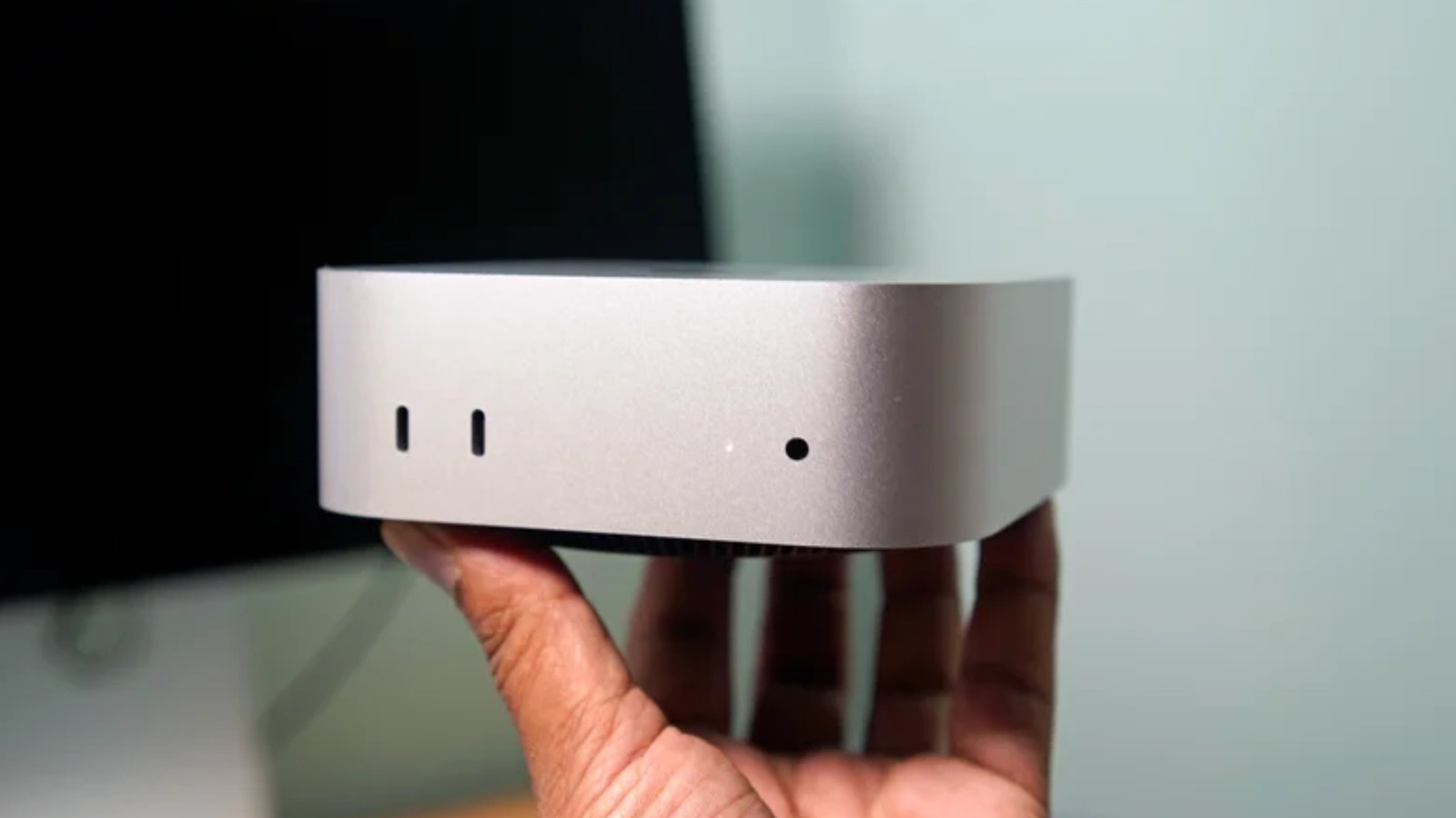
Mac Mini-এর শুরু মূল্য উপরে উঠেছে
দেখা যাচ্ছে Apple তার সবচেয়ে কম দামের Mac mini কনফিগারেশন বিক্রি বন্ধ করে দিয়েছে, ফলে এই কমপ্যাক্ট ডেস্কটপের প্রবেশমূল্য কার্যত $599 থেকে বেড়ে $799 হয়েছে। দেওয়া সোর্স টেক্সট অনুযায়ী, Apple-এর স্টোর পেজে এখন শুধু অন্তত 512GB স্টোরেজ-সহ কনফিগারেশনই রয়েছে; এই পরিবর্তন প্রথমে MacRumors লক্ষ্য করে এবং পরে Engadget তা রিপোর্ট করে।
যদি এটি সাময়িক স্টক পরিবর্তনের বদলে একটি পণ্য-সংক্রান্ত সিদ্ধান্ত হিসেবে নিশ্চিত হয়, তবে এটি Apple-এর সবচেয়ে আক্রমণাত্মকভাবে দাম নির্ধারিত Macs-এর একটিতে উল্লেখযোগ্য পরিবর্তন হবে। 2024 সালে আনা $599 Mac mini কোম্পানির ডেস্কটপ লাইনে ঢোকার তুলনামূলকভাবে সহজ একটি পথ ছিল। সোর্সে একে সাম্প্রতিক বছরগুলোর মধ্যে Apple-এর সেরা ডিলগুলোর একটি বলা হয়েছে, যেখানে Apple silicon পারফরম্যান্স, অন্তত 16GB RAM, অন্তত 256GB স্টোরেজ এবং এমন পোর্ট সেটআপ ছিল যা এটিকে ব্যাপকভাবে ব্যবহারযোগ্য করেছিল।
তবে এর আকর্ষণ হয়তো শুধু প্রচলিত ডেস্কটপ ক্রেতাদের মধ্যে সীমিত ছিল না। সোর্স বলছে, লোকাল বড় ভাষা মডেল চালানো মানুষের মধ্যে এই মেশিন জনপ্রিয় হয়ে ওঠে, পরে OpenClaw-এর মতো AI agents-এর জন্য একটি নিবেদিত কম্পিউটার হিসেবেও ব্যবহৃত হতে থাকে। ফলে একসময় যাকে মূলত ছোট ঘরোয়া বা অফিস কম্পিউটার হিসেবে দেখা হতো, সেই পণ্যের জন্য ভিন্ন ধরনের চাহিদা তৈরি হয়।
AI ওয়ার্কলোড কোন কনফিগারেশন গুরুত্বপূর্ণ তা বদলে দিচ্ছে
Engadget-এর রিপোর্ট প্রকাশের সময় Apple-এর এই পদক্ষেপকে আনুষ্ঠানিকভাবে নিশ্চিত বলে দেখায় না। এতে বলা হয়েছে, আউটলেট Apple-এর সঙ্গে নিশ্চিতকরণের জন্য যোগাযোগ করেছিল এবং উত্তর পেলে আপডেট দেবে। কিন্তু সোর্স আরেকটি বৃহত্তর প্রেক্ষাপটও তুলে ধরে: মেমোরি, স্টোরেজ এবং শক্তিশালী চিপের জন্য AI-সম্পর্কিত চাহিদা। সেই দৃষ্টিতে Mac mini-ও একই supply-demand চাপের মধ্যে পড়ছে, যা হঠাৎ স্থানীয় AI কাজের জন্য উপযোগী হয়ে ওঠা অন্য হার্ডওয়্যারকেও প্রভাবিত করেছে।
সোর্স অনুযায়ী, পারফরম্যান্স, আকার এবং তুলনামূলকভাবে কম দামের ভারসাম্যের কারণে Mac mini AI সম্প্রদায়ের কাছে বিশেষভাবে আকর্ষণীয়। সেই জনপ্রিয়তার ফলও দেখা যাচ্ছে। Engadget মনে করে, AI tinkerer-দের আগ্রহ এবং মেমোরি ও স্টোরেজ সরবরাহ-সীমাবদ্ধতার সমন্বয় Apple-কে সবচেয়ে সস্তা কনফিগারেশন সরিয়ে নিতে প্ররোচিত করতে পারে, অন্তত সাময়িকভাবে।
এই ব্যাখ্যাটি সতর্কভাবে দেওয়া হলেও এটি একা নয়। আর্টিকেলে Apple CEO Tim Cook-এর কোম্পানির সাম্প্রতিক earnings call-এ করা মন্তব্যও উদ্ধৃত করা হয়েছে। সোর্স টেক্সটে Cook বলেন, Mac mini এবং Mac Studio-কে supply-demand ভারসাম্যে পৌঁছাতে কয়েক মাস লাগতে পারে এবং তিনি উভয় পণ্যকে “AI এবং agentic tools-এর জন্য অসাধারণ platform” হিসেবে বর্ণনা করেন, আরও বলেন যে গ্রাহকেরা এই ব্যবহারকে প্রত্যাশার তুলনায় দ্রুত চিনতে পারছেন।

একটি হার্ডওয়্যার ক্যাটাগরি তার ব্যবহারের ধরন অনুযায়ী নতুন করে মূল্যায়িত হচ্ছে
এই দৃশ্যমান পরিবর্তনের গুরুত্ব শুধু একটি স্টোরেজ টিয়ার হারিয়ে যাওয়া নয়। আসল বিষয় হলো, বাজারে Mac mini-এর ভূমিকা বদলাচ্ছে। যে মেশিনকে একসময় অস্বাভাবিকভাবে সাশ্রয়ী Apple ডেস্কটপ হিসেবে দেখা হতো, তা যখন লোকাল AI পরীক্ষা-নিরীক্ষার জন্য উপকারী অবকাঠামো হয়ে ওঠে, তখন তার সবচেয়ে সীমাবদ্ধ উপাদানগুলো ভিন্নভাবে গুরুত্বপূর্ণ হয়ে যায়। Storage এবং RAM আর দ্বিতীয় সারির চেকবক্স নয়। সেগুলো মূল value proposition-এর অংশ হয়ে ওঠে।
এটাই বোঝায় কেন বাকি কনফিগারেশনগুলো 512GB থেকে শুরু হচ্ছে। বেশি স্টোরেজ-ভিত্তি সামগ্রিক supply সমস্যাকে একা সমাধান করে না, কিন্তু এটি পণ্যটিকে ব্যবহারের ভিন্ন প্রত্যাশার চারপাশে পুনঃস্থাপন করে। এটি ক্রেতাকে প্রবেশের জন্য যে ন্যূনতম মূল্য দিতে হবে, সেটিও বাড়িয়ে দেয়। 2024 মডেলটি $599 থেকে শুরু হওয়ায় যেসব খরচ-সংবেদনশীল ক্রেতা আকৃষ্ট হয়েছিলেন, তাদের জন্য এটি বড় ক্ষতি।
সোর্স বলছে, ওই দামের স্তরটি পূরণ করার মতো সমতুল্য কোনো পণ্য এখন নেই। MacBook লাইনে, Engadget উচ্চমূল্যের প্রভাবে ক্ষতিগ্রস্ত ক্রেতাদের জন্য MacBook Neo-কে একটি তুলনামূলক নরম অবতরণের মতো দেখায়। কিন্তু Mac mini-র ক্ষেত্রে পুরনো এন্ট্রি টিয়ারের সরাসরি কোনো বিকল্প নেই। পরিবর্তনটি স্থায়ী হলে Apple-এর ডেস্কটপ লাইনআপে একটি ফাঁক থেকে যাবে।
Apple-এর বিস্তৃত স্টোরেজ ও মেমোরি চাপ
প্রদত্ত প্রতিবেদন Mac mini-এর এই উন্নয়নকে একটি বড় প্রবণতার অংশ হিসেবে দেখায়। এতে বলা হয়েছে, Apple অনেক কোম্পানির তুলনায় “RAMaggedon” সামলাতে তুলনামূলকভাবে ভালো ছিল, বা অন্তত তার প্রভাব পণ্যজুড়ে আড়াল করতে পেরেছিল। তবে সেখানেও চাপ এখন স্পষ্ট হতে শুরু করেছে। সোর্স M5 MacBook Air আপডেটের কথা উল্লেখ করে, যেখানে স্টোরেজ 512GB করা হয়েছে এবং শুরু মূল্য বেড়ে $1,099 হয়েছে।
এই পদক্ষেপগুলো একসঙ্গে দেখলে বোঝা যায়, মেমোরি ও স্টোরেজের খরচ যেখানে সবচেয়ে বেশি চাপ দিচ্ছে, সেখানে Apple কনফিগারেশন ও দাম সমন্বয় করছে। Mac mini-র 256GB বেস মডেল তুলে দেওয়া সেই প্যাটার্নের সঙ্গে মেলে। এটি শুধু ডেস্কটপের মূল্য নির্ধারণের গল্প নয়। এটি ইঙ্গিত দিচ্ছে যে AI-যুগের হার্ডওয়্যার চাহিদা মূলধারার ভোক্তা ও প্রোসিউমার ডিভাইস কীভাবে প্যাকেজ ও বিক্রি করা হয়, তা প্রভাবিত করতে শুরু করেছে।
সোর্স অবশ্য বলছে না যে Apple স্থায়ীভাবে সস্তা Mac mini-কে বাদ দিয়েছে। এটি স্পষ্টভাবে সেই সম্ভাবনাও রাখে যে কনফিগারেশনটি এখন শুধু “for now” অনুপস্থিত। সেই সতর্কতা গুরুত্বপূর্ণ। কোম্পানির বক্তব্য ছাড়া পরিস্থিতি এখনো চূড়ান্ত নিশ্চিতকরণের বদলে শক্তিশালী ইঙ্গিত হিসেবেই রয়ে গেছে।

ক্রেতাদের জন্য এর মানে কী
ক্রেতাদের জন্য তাৎক্ষণিক বাস্তব ফলাফল সহজ। Mac mini এখন $599-এর বদলে $799 থেকে শুরু হচ্ছে বলে মনে হচ্ছে, এবং স্টোরেজ ফ্লোরও 512GB-এ দ্বিগুণ হয়েছে। এতে বাকি মডেলগুলো ভারী ওয়ার্কলোডের জন্য বেশি মানানসই হতে পারে, কিন্তু entry-level desktop গ্রাহকদের জন্য Apple-এর value proposition-ও সঙ্কুচিত হচ্ছে।
গভীরতর গল্পটি হলো, AI চাহিদা কীভাবে একটি পণ্য লাইনের অর্থনীতি দ্রুত বদলে দিতে পারে। একসময় স্থিতিশীল, খরচ-সাশ্রয়ী প্রবেশ পয়েন্ট হিসেবে দেখা একটি কমপ্যাক্ট ডেস্কটপ এখন উচ্চ-স্পেক কম্পোনেন্ট এবং নতুন ধরনের ব্যবহারকারী চাহিদার দৌড়ঝাঁপে আটকে গেছে বলে মনে হচ্ছে। সোর্স বলছে, Mac mini এবং Mac Studio-কে AI ও agentic tools-এর platform হিসেবে গ্রাহকেরা এত দ্রুত গ্রহণ করবেন, Apple সেটা পুরোপুরি অনুমান করতে পারেনি।
যদি এই মূল্যায়ন ঠিক হয়, তাহলে হারিয়ে যাওয়া $599 মডেলটি শুধু ছোট একটি কনফিগারেশন পরিবর্তন নয়। এটি AI ওয়ার্কলোড কীভাবে consumer hardware lineup-কে শুধু উচ্চ প্রান্তে নয়, বরং সেই জায়গাতেও প্রভাবিত করতে শুরু করেছে, যেখানে সাশ্রয়ী হওয়াই ছিল প্রধান বৈশিষ্ট্য, তার প্রাথমিক লক্ষণ। Apple পরে ওই tier ফিরিয়ে আনুক বা লাইনআপ যেমন আছে তেমনই রাখুক, Mac mini-এর বাজারগত ভূমিকা ইতিমধ্যে বদলে গেছে।
এই নিবন্ধটি Engadget-এর প্রতিবেদনের ভিত্তিতে লেখা। মূল নিবন্ধ পড়ুন.
Originally published on engadget.com
