A historic jump is being prepared for the Pentagon
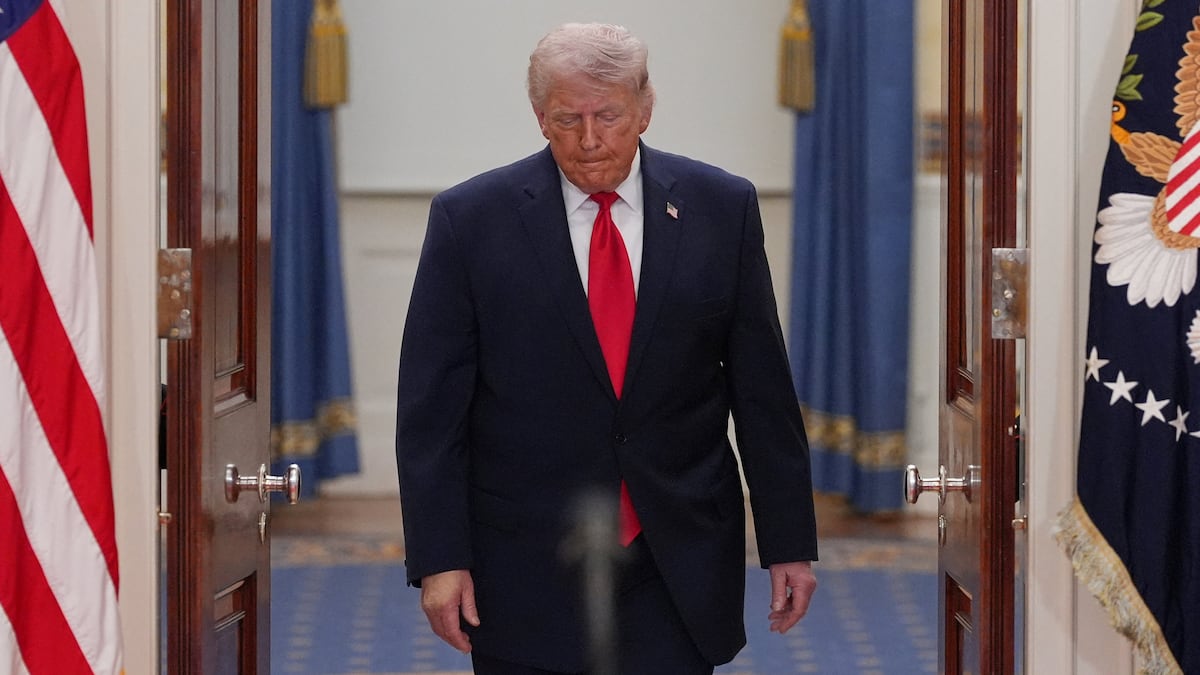
President Donald Trump is set to unveil a $1.5 trillion defense budget request for the next fiscal year, according to Defense News, in what the report describes as the largest year-over-year increase in defense spending since World War II. Even before Congress weighs in, the figure would reset the scale of the U.S. defense debate.
The request is expected to include money for the administration’s proposed $185 billion “Golden Dome” missile defense shield, along with F-35 fighters, warships, Virginia-class submarines, and other shipbuilding priorities. It is also framed around expanded weapons production to deter China in the Indo-Pacific and to replenish stocks reduced by conflicts involving Israel, Iran, and Ukraine.
What makes this request different
The number itself is the first story. Last year, Trump sought a national defense budget of $892.6 billion and then added $150 billion through a supplemental request, pushing total defense spending above $1 trillion. A direct request for $1.5 trillion would move far beyond that threshold and normalize a new baseline for military appropriations.
The report also notes that the administration had considered structuring the ask as a roughly $900 billion national security budget plus an additional $400 billion to $600 billion request, similar to the framework used in 2026. However it is packaged, the spending ambition is unmistakable.
The priorities inside the request
The expected contents reveal the administration’s strategic emphasis. “Golden Dome” would place missile defense at the center of the political message. Warships and Virginia-class submarines would reinforce a maritime and industrial posture shaped heavily by Indo-Pacific competition. F-35 procurement keeps the request anchored in existing high-cost force structure. Expanded weapons production adds a wartime-industrial dimension.
Taken together, those priorities suggest an attempt to do several things at once: build future-oriented defenses, sustain current programs, and expand the industrial capacity needed for prolonged geopolitical competition. That is a familiar problem for Pentagon planners, but the scale of the proposed request would intensify it.
The source report also makes clear that current conflicts are central to the argument. The administration says it wants to rebuild munitions and other stocks depleted by the wars involving Israel, Iran, and Ukraine. That language ties near-term conflict demands directly to a much larger long-term budget posture.
Congress still decides the outcome
For all the attention the headline number will attract, the request is only an opening move. The administration is expected to release the framework on Friday, with additional budget detail to follow on April 21. Congress will then debate the proposal over the coming weeks and months.
That process matters because big requests do not translate automatically into enacted spending. Lawmakers will have to determine not only the total but also how much appetite exists for major missile defense investment, which shipbuilding lines should be protected, and whether supplemental-style budgeting remains politically acceptable at this scale.
Still, the political effect begins immediately. A $1.5 trillion proposal changes expectations, frames subsequent negotiations, and pressures both supporters and critics to argue on a much larger field.
The larger signal
The budget request is about more than procurement lists. It is a statement about how this administration wants to define the moment: as one requiring accelerated military spending, larger industrial output, and a more expansive reading of what deterrence now costs. Whether Congress agrees in full is another matter. But if the administration formally puts $1.5 trillion on the table, the center of gravity in the defense conversation moves with it.
This article is based on reporting by Defense News. Read the original article.
Originally published on defensenews.com