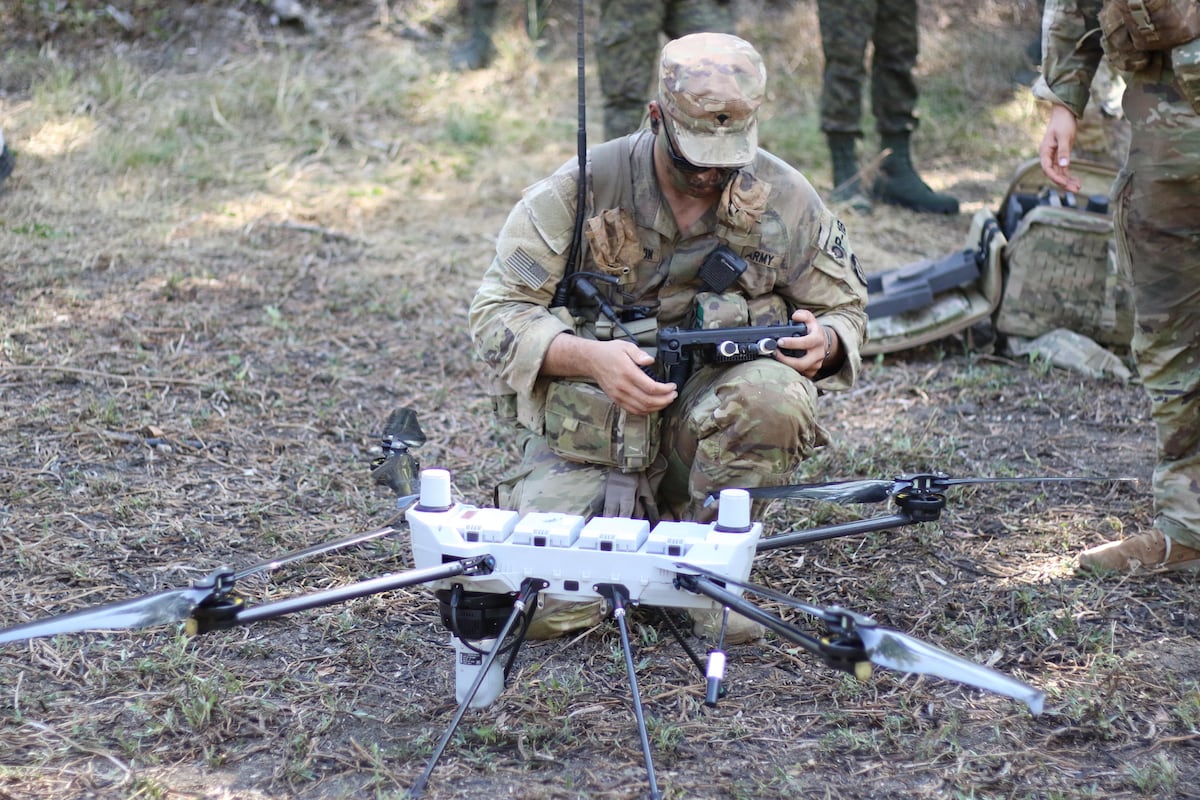
একটি যুদ্ধ মহড়া প্রযুক্তির পরীক্ষাগার হিসেবেও কাজ করছে
ফিলিপাইনে Exercise Balikatan 2026 শুধু একটি বহুজাতিক সামরিক মহড়া নয়। এটি আধুনিক যুদ্ধক্ষেত্রের পরিস্থিতির সঙ্গে দ্রুত মানিয়ে নেওয়ার জন্য মার্কিন সেনাবাহিনীর প্রচেষ্টার একটি জীবন্ত test bed হিসেবেও কাজ করছে। Defense News জানিয়েছে, 20 এপ্রিল থেকে 8 মে পর্যন্ত চলা এই মহড়ায় সাতটি দেশের 17,000-এর বেশি সেনাসদস্য অংশ নিচ্ছেন, এবং মার্কিন ও ফিলিপিনো বাহিনী জঙ্গল পরিস্থিতিতে নানা নতুন প্রযুক্তি পরীক্ষা করতে এই ইভেন্টটি ব্যবহার করছে।
বিস্তারিতগুলো গুরুত্বপূর্ণ, কারণ মূল্যায়নাধীন প্রযুক্তিগুলো কোনো বিমূর্ত ভবিষ্যৎ ধারণা নয়। এগুলো ব্যবহারিক সিস্টেম, যা কৌশলগত স্তরে রিকনিসান্স, আঘাতের ক্ষমতা, লজিস্টিকস এবং জ্বালানি সরবরাহকে প্রভাবিত করার জন্য তৈরি। সূত্রপাঠে বর্ণিত মাঠে, একটি আমেরিকান রিকনিসান্স ড্রোন জঙ্গলের হামলাকে সহায়তা করেছিল, এরপর বিস্ফোরক পে-লোড বহনকারী একটি Kestrel first-person-view ড্রোন শত্রুর একটি bunker-এ আঘাত হানে। সেই দৃশ্যটি সেনাবাহিনীর বর্তমান দিকনির্দেশনা তুলে ধরে: তুলনামূলকভাবে সস্তা, নমনীয় এবং দ্রুত মোতায়েনযোগ্য সিস্টেমকে সামনের সারির ইউনিটগুলোর আরও কাছে আনা।
ফিলিপাইনে সেনাবাহিনী কী শিখছে
সরবরাহকৃত উৎসপাঠ অনুযায়ী, হাওয়াই-ভিত্তিক 25th Infantry Division সেনাবাহিনীর দুটি মূল Transformation in Contact ডিভিশনের একটি, এবং তারা কঠিন পরিবেশে এই সরঞ্জামগুলো কীভাবে কাজ করে তা শেখার জন্য Balikatan ব্যবহার করছে। Col. Adisa King বলেন, প্রযুক্তি সৈন্যদের আরও দূর পর্যন্ত দেখতে ও কিছু ঝুঁকি কমাতে সাহায্য করে, তবে তিনি মূল চ্যালেঞ্জটিও তুলে ধরেন: sustainment। উষ্ণমণ্ডলীয় পরিস্থিতিতে ড্রোন অতিরিক্ত গরম হতে পারে, ব্যাটারি চার্জ দিতে হয়, সরঞ্জাম বহন করতে হয়, এবং ঘন জঙ্গল FPV সিস্টেমের উপযোগিতা সীমিত করতে পারে।
এগুলো গুরুত্বপূর্ণ সীমাবদ্ধতা। সামরিক প্রযুক্তি প্রায়ই breakthrough capability-এর ভাষায় আলোচনা হয়, কিন্তু বাস্তব মাঠপর্যায়ে কোনটি টিকে থাকে তা নির্ধারণ করে পরিস্থিতি। একটি ড্রোন টেস্ট রেঞ্জে নিখুঁতভাবে কাজ করলেও ঘন উদ্ভিদ ও উচ্চ তাপে কম কার্যকর হতে পারে। তাই Balikatan শুধু নতুন সরঞ্জামের প্রদর্শনী নয়, একটি filtering process-ও। ফিলিপাইনে যা নির্ভরযোগ্য প্রমাণিত হয়, তা বিস্তৃত ব্যবহারের জন্য আরও বিশ্বাসযোগ্য প্রার্থী হয়ে ওঠে।
ছোট ড্রোন থেকে মোবাইল উৎপাদন
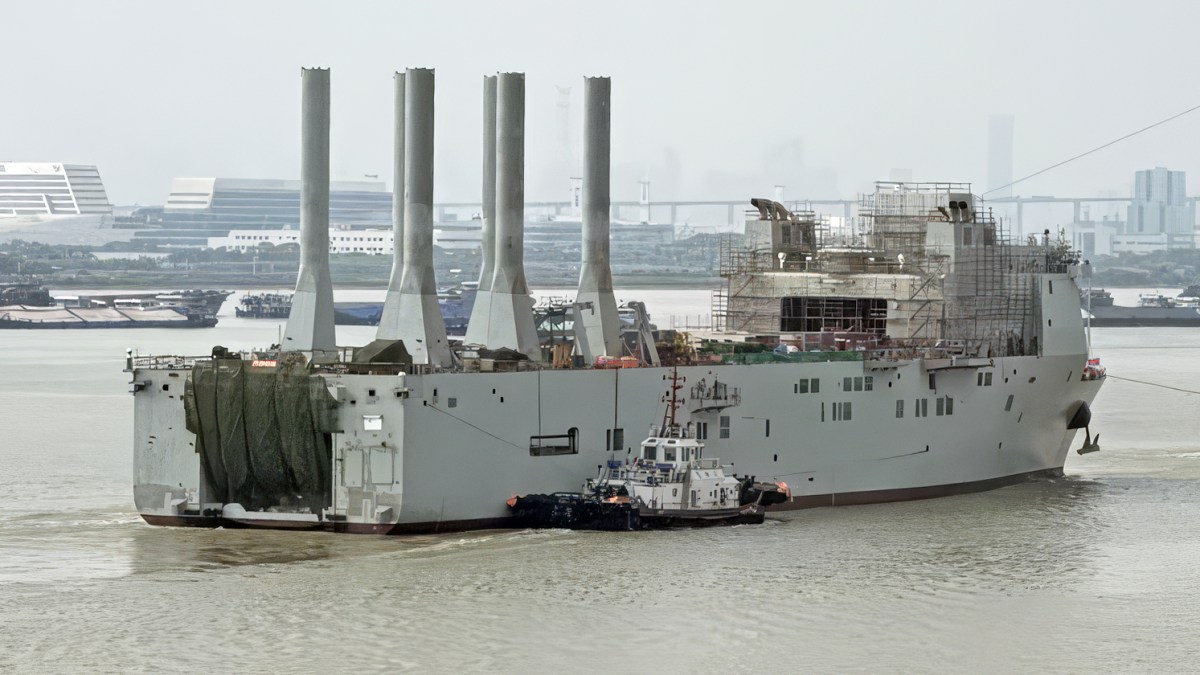
এই মহড়া দেখায়, আধুনিকীকরণ শুধু সেন্সর ও গোলাবারুদের মধ্যে সীমাবদ্ধ নয়। উৎসপাঠে বলা হয়েছে, 25th Infantry Division-সংশ্লিষ্ট innovation cell Lightning Labs নতুন প্রযুক্তি গ্রহণের গতি বাড়াতে সাহায্য করছে। পরীক্ষাধীন সরঞ্জামের মধ্যে রয়েছে 3D printers এবং diesel generators-এর চেয়ে নীরবে বিদ্যুৎ উৎপাদন করার জন্য তৈরি একটি containerized solar-panel microgrid।
এই সমন্বয় সামরিক চিন্তায় বড় পরিবর্তনের ইঙ্গিত দেয়। আধুনিক ইউনিট increasingly expeditionary self-sufficiency-তে আগ্রহী: যেখানে দরকার তার কাছাকাছি যন্ত্রাংশ তৈরি করা, মাঠে ব্যাটারি চার্জ করা, এবং ভঙ্গুর জ্বালানি বা সরবরাহ শৃঙ্খলের ওপর নির্ভরতা কমানো। একটি containerized microgrid বিস্ফোরক ড্রোনের মতো নজরকাড়া নয়, কিন্তু যদি এটি ইউনিটগুলোকে বেশি সময়, আরও নীরবে, এবং কম লজিস্টিকস বোঝা নিয়ে কাজ করতে দেয়, তবে সেটি কৌশলগতভাবে ততটাই গুরুত্বপূর্ণ হতে পারে।
Interoperability এখনও কেন্দ্রে
Balikatan-এর তাৎপর্য প্রযুক্তির গল্পেই শেষ নয়। উৎসপাঠে King অংশগ্রহণ থেকে তিনটি মূল লাভের কথা বলেছেন: সম্ভাব্য কার্যপরিবেশের সঙ্গে পরিচিত হওয়া, অংশীদারদের কাছ থেকে শেখা, এবং একসঙ্গে যুদ্ধ করার অনুশীলন। এটি মনে করিয়ে দেয়, আধুনিকীকরণ শুধু সরঞ্জাম নয়। এটি মিত্রবাহিনীর মধ্যে পদ্ধতি, কৌশল এবং অভিন্ন বোঝাপড়া একীভূত করার বিষয়ও।
ব্যবহারিক অর্থে, ফিলিপাইন এমন ভূপ্রকৃতি ও জলবায়ু দেয় যা যন্ত্র ও সংগঠন উভয়কেই stress test করে। একটি বাহিনীর জন্য কাজ করা কোনো সরঞ্জাম যদি অন্য বাহিনী সমর্থন করতে, বুঝতে, বা একীভূত করতে না পারে, তবে তার coalition value সীমিত। তাই Balikatan উদ্ভাবনের পাশাপাশি interoperability-এরও পরীক্ষা। এই মহড়া শুধু নতুন সিস্টেমগুলো কাজ করছে কি না তা দেখাচ্ছে না, বরং অংশীদার বাহিনী সেগুলোকে যৌথ অভিযানে গ্রহণ করতে পারে কি না তাও যাচাই করছে।
সেনাবাহিনীর অভিযোজন বক্ররেখার এক জানালা
উৎসপাঠ আরও জানায়, 25th Infantry Division-এর সৈন্যরা সর্বশেষ M7 assault rifles বহন করছিলেন এবং নতুন M1301 Infantry Squad Vehicles ব্যবহার করছিলেন। ড্রোন পরীক্ষার সঙ্গে মিলিয়ে দেখলে, এটি একটি বিচ্ছিন্ন প্রযুক্তি পরীক্ষার চেয়ে বেশি; এটি একটি বিস্তৃত আধুনিকীকরণ প্যাকেজের ইঙ্গিত। সেনাবাহিনী শুধু নতুন gadget যোগ করছে না। কঠিন ভূখণ্ডে light forces কীভাবে সেন্স করে, নড়াচড়া করে, আঘাত করে, এবং নিজেদের sustain করে তা নতুনভাবে নকশা করার চেষ্টা করছে।
এই প্রচেষ্টা এখনো power, heat, এবং mobility-র মতো বাস্তব সীমাবদ্ধতায় বাঁধা। কিন্তু Balikatan-এর মতো মহড়া গুরুত্বপূর্ণ হওয়ার সেটাই কারণ। এটি এমন একটি পরিবেশ তৈরি করে যেখানে উদ্ভাবনকে আবহাওয়া, উদ্ভিদ, ক্লান্তি, এবং coalition coordination-এর বিরুদ্ধে বিচার করা যায়। slide deck ও demonstration video-র বাইরে টিকে থাকা transformation যদি সেনাবাহিনী চায়, তবে সেটাই সেই ধরনের মঞ্চ যেখানে তাকে প্রমাণ দিতে হবে।
- Defense News-এর মতে, Balikatan 2026-এ সাতটি দেশের 17,000-এর বেশি সৈন্য অংশ নিচ্ছেন।
- মার্কিন ও ফিলিপিনো বাহিনী রিকনিসান্স ড্রোন, বিস্ফোরক FPV সিস্টেম এবং অন্যান্য নতুন সিস্টেম পরীক্ষা করছে।
- সেনাবাহিনী 3D printing ও একটি containerized solar microgrid-ও পরীক্ষা করছে।
- ফিলিপাইনের মাঠপর্যায়ের পরিস্থিতি নতুন প্রযুক্তির sustainment এবং তাপ-সংক্রান্ত সীমাবদ্ধতা উন্মোচন করছে।
এই নিবন্ধটি Defense News-এর প্রতিবেদনের ভিত্তিতে লেখা। মূল নিবন্ধটি পড়ুন.
Originally published on defensenews.com